
Bayi is a slow city walled in by snow peaks and the Niyang river, compact, mild in altitude, and improbably tidy for a frontier town. Give an arrival or departure day to walking: the hill and the panorama in the morning, library and plazas by day, local dancers by evening; the day passes, the altitude eases, the city turns familiar.
The whole game is slowness: no checklist, just meal times and sunlight. Nyingchi's sun is generous, a four-o'clock street teahouse outperforms any guidebook, and spare hours belong in a chair there.
Itinerary at a glance
| 09:00 | Biri Sacred Mountain Ecological Area: Morning Light over Bayi |
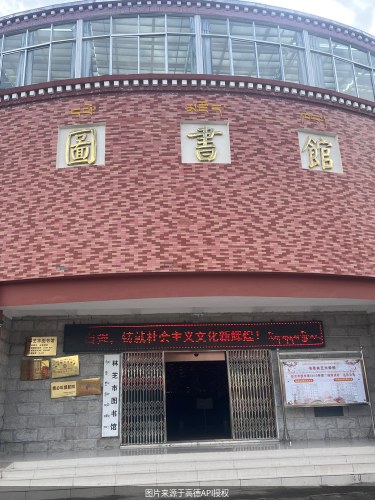
| 11:00 | The Nyingchi Municipal Library: A Quiet Corner on the Plateau |
| 14:30 | Baji Times Plaza and the Hong Kong Road South Pedestrian Street: The Center's Living Line |
| 19:00 | Whistling Arrow Square: The Gongbu Evening |
The route, stop by stop
Biri Sacred Mountain Ecological Area: Morning Light over Bayi
A city day pays best starting uphill. The paved climb reaches the viewing belt, town and Niyang valley spread below, and the city's scale, street logic and snowline bearings all arrive in one look, supplying the sense of direction for days ahead.
The hill carries Bon-related inscriptions and prayer flags, and dawn belongs to local pilgrims; yield quietly and gesture before photographing, the hill's basic courtesy.
The Nyingchi Municipal Library: A Quiet Corner on the Plateau
A library on a tourist route sounds odd, yet this window-lined public building is Bayi's most comfortable afternoon: Tibetan and Chinese shelves side by side, a local-documents section holding old Gongbu photographs and gazetteers, upper-floor seats looking toward the hills by the Niyang.
Tired of reading, watch the clouds; plateau clouds run fast, an hour here shows a sky other cities take a day to perform. Free to enter, with local students studying most afternoons.
Baji Times Plaza and the Hong Kong Road South Pedestrian Street: The Center's Living Line
Give the afternoon to the center. Baji Times Plaza anchors local strolls, surrounding malls handle emergency shopping, and the connected Hong Kong Road South Pedestrian Street packs the densest food and shops: Tibetan sweet-tea houses, Sichuan kitchens, fruit stands and outdoor gear shops in one mix.
The street owes you three things: a bowl of sweet tea, fruit plus altitude medicine for later, and reconnaissance of which restaurant draws locals. Lock dinner here.

Whistling Arrow Square: The Gongbu Evening
Before dark, Whistling Arrow Square is Bayi at its liveliest, named for the Gongbu tradition of whistling arrows; when the music starts, locals ring into Guozhuang circles, the steps simple enough that ten minutes of watching from the outer ring earns you two of them.
If invited, join generously, nobody laughs at wrong steps. Danced out, sit at the square's edge watching the last light toward the snowline, the right close for a city day.
| Getting around |
|
| Budget | Walking plus flag-fare taxis, meals RMB 50-100 a head, a day's budget around RMB 150-250 pp. |
| Best time | Year-round; best on arrival afternoon, since a sunlit stroll is itself the altitude prescription. |
FAQs
Is this too tiring on arrival day?
No, this line is designed for arrival day: slow rhythm, minimal altitude change, chairs everywhere. Three cautions: no loaded power-walking, hydrate in the afternoon sun, sleep early. What truly exhausts is charging to the Grand Canyon on arrival; a city buffer day wastes nothing.
Is eating in Bayi expensive? What must I try?
Not really: RMB 50-100 a head covers most kitchens. Try three things: Tibetan noodles with sweet tea, stone-pot chicken (the real Lulang flavor lives in specialist houses), and yak-beef dishes. Tourist and local shops mix on the pedestrian street; pick the one crowded with locals, a mealtime queue is the most honest recommendation.
Can visitors join the Guozhuang dancing?
Yes, and you will be welcomed. Locals are generally warm to willing joiners; walk two rounds in the outer ring before moving in. Moderation matters at altitude, one dance then rest; for occasional ceremonial occasions, watching is the better part, judged by the mood on site.
Does this line suit a departure day?
Very much so, arguably better than arrival day: light program, close to town, interruptible at any hour for the airport or station. Both the hill and the plazas cut cleanly by the hour, and a departure ping still leaves time to move. Add shopping and courier errands to this afternoon and the last day never panics.