
Nyingchi's shopping map stacks three layers: craft at the cooperative, daily goods on the pedestrian street, street food at the night market. The town is small and a day covers all three easily; the game is buying the right thing per layer, crafts at the cooperative source, matsutake and Tibetan herbs by season and origin, everything else filled in on the street.
Set three rules first: for high-value herbs like caterpillar fungus and saffron, licensed pharmacies only unless you can authenticate; inspect and pack handicrafts on the spot; and ask air and rail rules on every fresh or liquid item before paying.
Itinerary at a glance
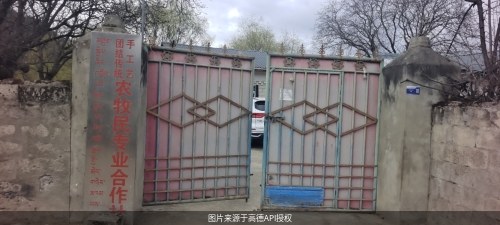
| 09:30 | The Tuanjie Traditional Handicraft Cooperative: Buying Crafts at the Source |
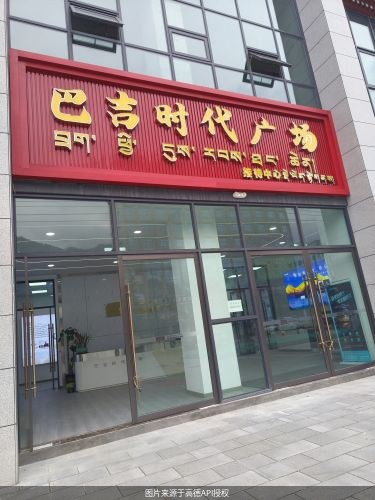
| 14:00 | Baji Times Plaza and the Hong Kong Road South Pedestrian Street: The Daily-Goods Sweep |
| 18:30 | The Nyingchi Night Market: Buying While Eating to Close |
The route, stop by stop
The Tuanjie Traditional Handicraft Cooperative: Buying Crafts at the Source
The cooperative is a joint retail point where herder and farmer artisans sell direct: Tibetan wooden bowls, pulu woolen weaves, small silver ornaments and bamboo wares straight from their makers, priced more honestly than scenic souvenir shops, and you may even catch a craftsman at work.
Judge wooden bowls by even lacquer and grain, pulu by hand-feel and density, silver by hand-chased marks. The premium here pays craft, not rent; chat about the making and buy with understanding.
Baji Times Plaza and the Hong Kong Road South Pedestrian Street: The Daily-Goods Sweep
The afternoon street handles restocking: compare three shops for yak jerky and dairy, choose individually wrapped barley products and Tibetan pastries, and fill gear gaps like trekking poles and sunscreen at outdoor shops, with the mall covering any daily necessity.
Judge yak jerky by air-dried craft and production date, loose versus packed prices differing widely; sweet-tea powder and ghee are kitchen travelers' favorites, buy extra if they fly.
The Nyingchi Night Market: Buying While Eating to Close
The night market is shopping day's loosest hour: roast yak, Tibetan noodles, fried potatoes and yogurt stalls in a row, eating while browsing. In matsutake season, July and August, the market's fungus stalls are the window on pricing, so watch and ask plenty before committing.
Stay cool on small trinkets: bead stalls, small knives and antiques make fine souvenirs as decoration and terrible investments, walk past all such pitches. Walk home after eating; the shopping day's last act is inventory and packing.
| Getting around |
|
| Budget | Souvenirs swing from RMB 50 crafts to caterpillar fungus past a thousand; most travelers assemble good gifts within RMB 300-800, matsutake season priced separately. |
| Best time | July and August, matsutake season, bring the fullest stock; March and April crowd and lift prices, so put major buys on weekday mornings. |
FAQs
When is matsutake best value?
July and August run the season, early and late edges cheaper with more open caps, mid-season offering the finest caps at peak prices. Buy edge-of-season for yourself, mid-season grades for gifts. Prices float daily with volumes; survey the night market before buying, and ten to twenty percent under the first quote is normal.
Can I buy caterpillar fungus and saffron?
Yes, via the right channels: licensed pharmacies and certified sellers, transparent prices, invoices, and help with tax-free or shipping paperwork. Street stalls and direct-from-herder pitches carry extreme risk, with fake and weight-loaded fungus beyond a layman's eye. On a budget, buy small grades rather than gamble in low-end markets.
How do I tell machine-made from handmade crafts?
Check three: hand-carved bowls show inconsistent blade direction and slight lacquer undulation; handwoven edges finish unevenly; chased silver lines vary in depth. Machine regularity is itself the giveaway. The cooperative's edge is craftsmen in view, goods made before your eyes carry no dispute.
How do I get purchases home intact?
Sort into three: dried snacks travel safely by hand or checked bag; fresh matsutake flies same-day with foam box and ice, collected on landing; fragile bowls and silver pack in view and ship insured. High-value herbs keep certificates and invoices for smooth security and customs. Hotel desks usually help call couriers, shipping the day before departure leaves the most slack.