
Luoyang's shopping map runs two layers: the commercial city of Dennis and Quanshun, and the cultural keepsakes of tri-color ware, peony porcelain and peony cakes. Walk a stretch of each and buy the right thing in each: brands at the malls, culture only at official workshops and museum stores, never at gate stalls.
Discipline beats routing on a shopping day. Three rules: buy cultural goods only in official stores, pricier but genuinely designed; check dates and packing on edibles, favoring small-bag peony cakes; and have fragile porcelain boxed in factory foam on the spot, photographing it before check-in.
Itinerary at a glance
| 10:00 | Dennis David World: The New Luoyang's Shopwindow |
| 13:30 | Quanshun Shopping Center: The Family-Size Sweep |
| 16:00 | Shendu Thirteen Wards: The Prelude to a Culture Block |
| 18:00 | The Tri-Color Art Museum: One Souvenir Worth Carrying |
The route, stop by stop
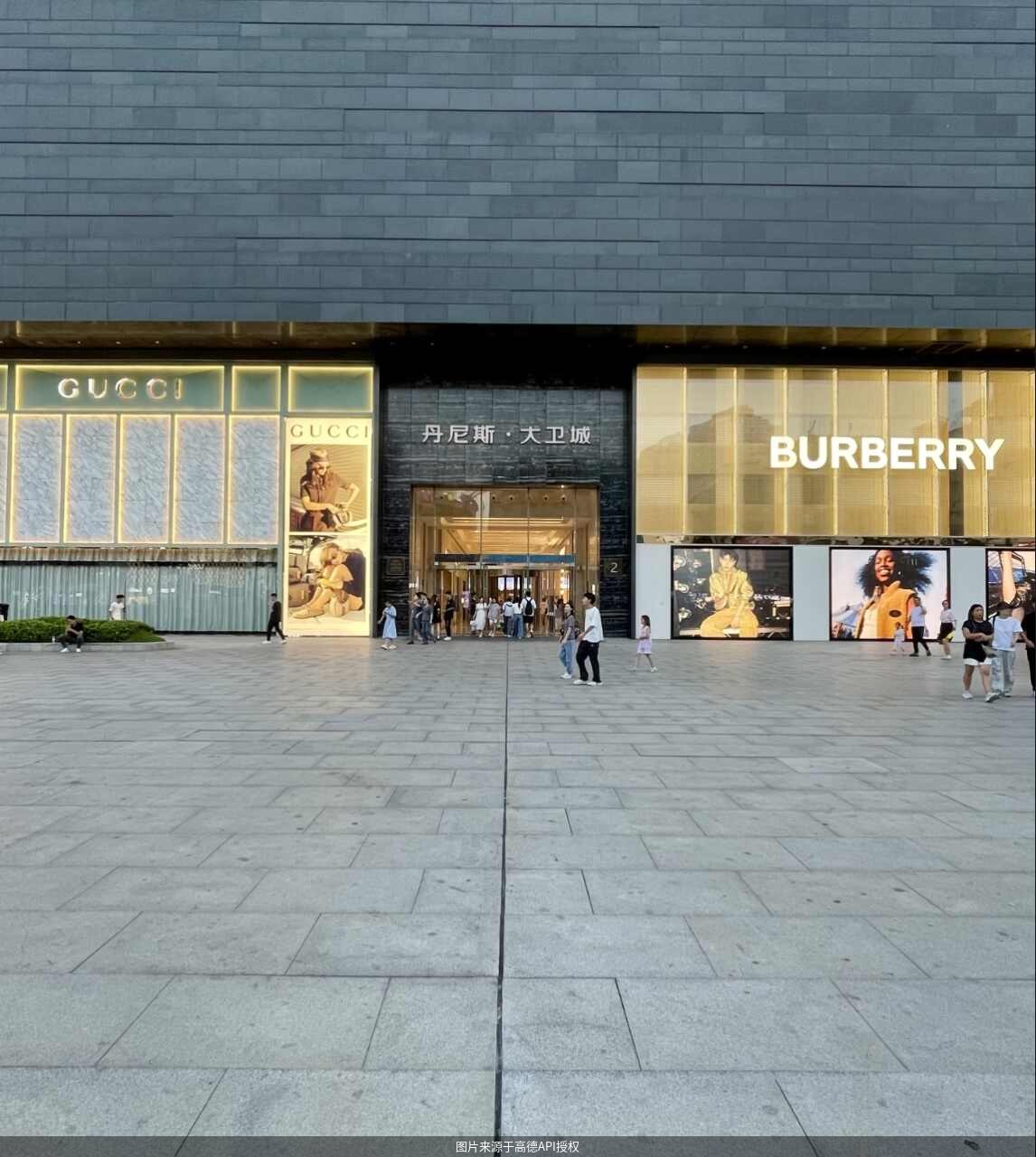
Dennis David World: The New Luoyang's Shopwindow
Dennis David World ranks among the city's highest-positioned malls, with full counters for international beauty, fashion and electronics, and a basement food floor and fine supermarket for restocking the trip. It is the young city's date headquarters and the most direct window onto how Luoyang lives now.
Shop for standardized goods: beauty, small appliances and branded fashion price at parity, winning on authenticity and immediate pickup. The culture zone carries Luoyang co-branded goods too; note designs and prices, then compare against the official workshop stores before deciding.
Quanshun Shopping Center: The Family-Size Sweep
Quanshun is the new district's largest mall, simple in layout and complete in range, sports, kids, home and supermarket under one roof, ideal for one-stop restocking. The basement supermarket gathers Henan's specialties in a single sweep, Xinyang green tea, vacuum-packed Daokou braised chicken, Chinese yam powder, at twenty to thirty percent below scenic-area prices.
Eat at the in-mall food floor, fast and varied. The discipline here is a written list: specialties multiply, so shop the list and leave, saving hours for the afternoon's culture block.
Shendu Thirteen Wards: The Prelude to a Culture Block
The Thirteen Wards block styles itself on the divine capital, pseudo-Tang lanes lined with design-goods shops, hanfu stores, snack stalls and teahouses. Its goods care about design more than malls do: tri-color patterned scarves, peony stationery, seals stamped with the empress's era names, ideal gifts for the young.
Treat this stop as scouting: note the pieces you like, then settle at the tri-color museum's official store by dusk. Street snacks run buy-and-eat, keeping your appetite intact for the evening before the crowds land.
The Tri-Color Art Museum: One Souvenir Worth Carrying
Close the shopping day on tri-color ware. The Luoyang Sancai Art Museum lays out the craft's full lineage, from classic yellow-green-white glazes to modern experiments, with an in-house workshop showing glazing and firing live. Understanding the process first sharpens every buying choice.
Souvenir tiers to aim for: tri-color ponies and magnets under RMB 100 are the safe bet, small vases at RMB 300-500 make dignified formal gifts, and pieces in the thousands demand connoisseurship and shipping conditions. Above all, insist on factory packing for anything fragile before you leave.
| Getting around |
|
| Budget | Souvenir budgets swing wide, from RMB 50 tri-color magnets to peony porcelain in the thousands; most travelers finish respectable gifting within RMB 200-600. |
| Best time | Any season; malls are fullest stocked evenings and weekends, while the tri-color and porcelain workshops reward weekdays when you can watch the making. |
FAQs
Between tri-color ware and peony porcelain, which souvenir?
Depends on recipient and luggage: tri-color pieces run small, affordable and archaic, ideal for bulk gifting, while peony porcelain, petals hand-shaped into standing blooms, stuns but breaks easily and prices high, for major occasions. Buy both in official stores; cheap knockoffs cluster at scenic-area stalls.
How do I carry fragile porcelain on a plane or train?
Demand factory packing on the spot, foam lining in a rigid box, the decisive step most proper stores provide free. Fly it checked and marked fragile, or nest it center-of-luggage by train. Never gamble on large pieces: ship by courier from the store with insurance written on the receipt.
Can I trust specialty counters inside the malls?
Food and tea are fine, transparent and returnable; but cultural goods and porcelain at mall tourist counters often carry a visible markup, with the tri-color museum's own store cheaper for the same item. The rule: edibles at the supermarket, culture at the museum store, both ends the safest channels.
How should I split a one-day shopping budget?
A workable split is three-three-three-one: thirty percent for food specialties, thirty for small design goods, thirty for one dignified main gift, a small tri-color or porcelain piece, and ten percent flexible. Buy the main gift first and keep the buffer till dusk; many people meet the piece they truly love at the workshop store last.