
Luoyang's crafts live in villages, not shop windows. This three-day line chains the cultural villages beyond the city: Erlitou in Yanshi, the earliest dynastic capital; Nanshishan, where every household touches tri-color ware; Pingle, where farmers paint peonies between harvests and ship them nationwide; and Weijiapo, holding a sweep of Qing courtyards.
The rhythm differs wholly from city lines: half-hour hops between points and a proper farmhouse meal in every village. Charter or drive, and book one hands-on per village, tri-color glazing, stone rubbing, peony painting; the memory in your hands outlasts the photos.
Itinerary at a glance
| 09:30 | The Erlitou Museum: Fields of the Earliest China |
| 14:00 | Daozhan Village: An Afternoon of Cave Dwellings and Stalls |
| 18:00 | Luopu Riverside Park: Evening on the Luo |
| 09:30 | Nanshishan Tri-Color Village: Morning by the Kilns |
| 14:00 | Weijiapo Old Village: An Afternoon in Qing Courtyards |
| 16:30 | Wang Duo's Former Residence: The Calligrapher's Old House |
| 09:30 | The Pingle Peony Painting Park: A Village of Farmer-Painters |
| 14:00 | The Sui-Tang Ruins Botanical Garden: The Peony Finale |
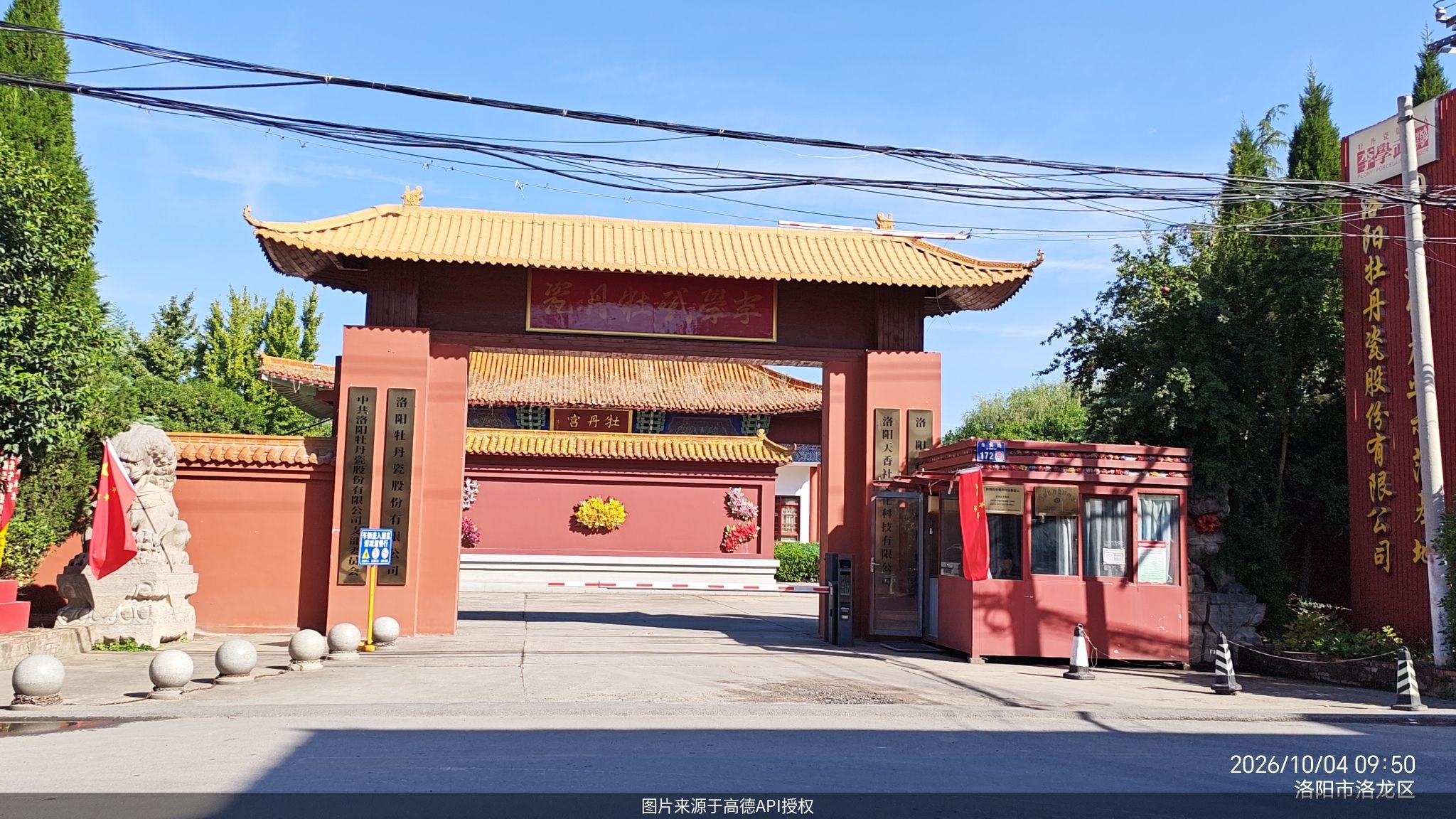
| 16:30 | The Peony Porcelain Museum: A Closing Echo of the Villages |
The route, stop by stop
The Erlitou Museum: Fields of the Earliest China
The country line opens at Erlitou in Yanshi. Called the earliest China, the site yielded palace foundations, bronze ritual vessels and the turquoise dragon, and the museum beside it explains the archaeology itself clearly, after which you can walk straight onto the protected fields.
For this route the stop sets the key: the Central Plains villages stack on three millennia of soil, and the plain field before you caps the earliest capital. Carry that feeling into the villages ahead and they read differently.
Daozhan Village: An Afternoon of Cave Dwellings and Stalls
Daozhan Village after lunch is a folk village built on the slopes of Yibin district, cave-dwelling courtyards mixed with retro market lanes packed with snacks, workshops and street performers. Built for visitors, yes, but the cave lodging and the live oil and vinegar presses are real, running through the afternoon.
The way to do it is to eat slowly downhill: a bowl of vermicelli soup, a crispy oil swirl bun, fresh-milled chili oil on flatbread, all the way to the lower square. Families catch shadow puppetry and marionettes, sessions clustered after three.
Luopu Riverside Park: Evening on the Luo
Back downtown, give day one's dusk to Luopu Park, the ribbon park along the Luo and the city's everyday stage: walkers, anglers, square dancers and strollers, while the far-bank skyline lights up slowly.
Day one's theme ran from the earliest capital to the present-day ordinary, and a lap by the river joins the two. Eat in the old blocks nearby and rest early for Mangshan tomorrow.
Nanshishan Tri-Color Village: Morning by the Kilns
Day two goes to Nanshishan in Mengjin, hailed as the home of tri-color ware and producing the bulk of China's archaic-style sancai, workshops and kilns lining the lanes. Come in the working morning to watch throwing, glazing and kiln loading end to end; the village's replica craft even supplies museums.
Hands-on is the point here: glazing a raw blank for a few tens of yuan, fired and shipped home, is the best value. Buy at workshop-owned stores, thirty percent under city prices, and negotiate shipping for large pieces.
Weijiapo Old Village: An Afternoon in Qing Courtyards
East of the kilns lies Weijiapo, a Qing-dynasty housing cluster centered on the Wei family compounds, ranked rows of courtyards, gatehouses and hitching posts among western Henan's best preserved; the wood and brick carving on grey brick deserves a slow pace.
Commercialization stays restrained, teahouses, a vinegar workshop and small museums tucked into old yards. Afternoon light slants into the courtyards, the golden hour for photos, and the village's high back corner shows the whole roofscape at once.
Wang Duo's Former Residence: The Calligrapher's Old House
Day two's tail belongs to Wang Duo's residence in old Mengjin. Wang Duo, the great calligrapher of the Ming-Qing transition, is commemorated at Huimeng town in a plain-family compound whose galleries center on steles and calligraphy; even the indifferent can enjoy the roof ridges and gatehouse forms.
A small stop, forty minutes, and it chains with Weijiapo. Afterward eat in Mengjin town, where Tiexie mutton soup is the local banner, one bowl fueling the ride home.
The Pingle Peony Painting Park: A Village of Farmer-Painters
Day three opens at Pingle, famous for farmer-painted peonies, where painters range from grandparents in their seventies to kids on school holidays. Studios line the park, artists working live, and a mounted peony painting leaves for a few hundred yuan.
The experience here is painting one peony under a resident artist, about an hour, and no matter how crooked your brush, the master rescues it. Serious buyers beware: hand-painted work and printed pieces with hand-coloring differ several-fold in price, so ask before paying.
The Sui-Tang Ruins Botanical Garden: The Peony Finale
Afternoon returns downtown to the Sui-Tang Ruins Botanical Garden, laid inside the heritage buffer of the old capital, where over a thousand peony cultivars open in sequence each April, among the nation's fullest collections; off-season it is simply the locals' great park, waterside and shaded.
Peak bloom hits early-mid April, with early and late cultivars stretching viewing past three weeks. Aim for the Nine Colors terrace and the demonstration zone, fewer people and denser flowers; a slow final half day here beats one more sprint.
The Peony Porcelain Museum: A Closing Echo of the Villages
The country line closes at the peony porcelain museum, where petals are hand-modeled in porcelain clay and fired, Luoyang's most distinctive new craft; the galleries show the full path from petal to whole bloom, tying the tri-color kilns and paintings of three days into one thread of local hands.
See first, buy second: small flower plates start a few hundred yuan, large screens run thousands. With tri-color and a painting already in hand, touring without buying completes the circle just as well; three villages and one museum, and the craft line is walked.
| Getting around |
|
| Budget | Most villages enter free, hands-on activities run RMB 50-150 each, and three days of transport and meals land near RMB 500-800 including one pottery session. |
| Best time | April's peony season or September-November; kilns fire on weekdays, so time Nanshishan midweek; Daozhan and Weijiapo light up with lantern fairs on weekend nights but stay calm by day. |
FAQs
Who suits this rural route best?
Best for second-time visitors chasing crafts and countryside, and for families: glazing, peony painting and rubbings all suit children's hands. First-timers with only three days should skip it, since Longmen and the downtown axis outrank everything here.
Do the village craft sessions need booking?
Walk-ins usually work, but some workshops rest kilns or run deliveries on weekdays, so call ahead; groups and study tours must book. Pay for glazing and painting on site, and read firing and shipping terms on the ticket you sign.
Which day most deserves to stay unplanned?
Day two. Nanshishan, Weijiapo and Wang Duo's house sit within half-hour hops and the villages are the content, so leave slack for watching a firing and courtyard tea rather than forcing a fourth stop; days one and three carry long drives and reward full schedules.
How is the food in these villages?
Better than feared: Daozhan's snacks are honestly made, Mengjin's Tiexie soup and Pingle's farmhouse tables carry local fame, RMB 20-50 a head. Sensitive stomachs should skip raw and cold dishes, favoring cooked-to-order hot food, with the country's oil-and-chili level milder than downtown.