
Pingyao's culture stacks in two layers: inside the walls, the draft banks and Confucian Temple form a secular order where silver and sages each govern one end; five kilometers out, Shuanglin Temple hides another, over two thousand Ming clay figures suspended among beams and columns, hailed as a treasure house of Eastern clay sculpture. The day reads from finance to faith, the surface and the core of the Shanxi merchant world in one pass.
The morning's two banks show how Shanxi men designed an anti-forgery cipher out of Chinese characters, a marvel of commercial history; the afternoon's Shuanglin answers with hall after hall of guardian Weituo and arhats proving the height of Ming craftsmanship. Seen against each other, Pingyao becomes whole.
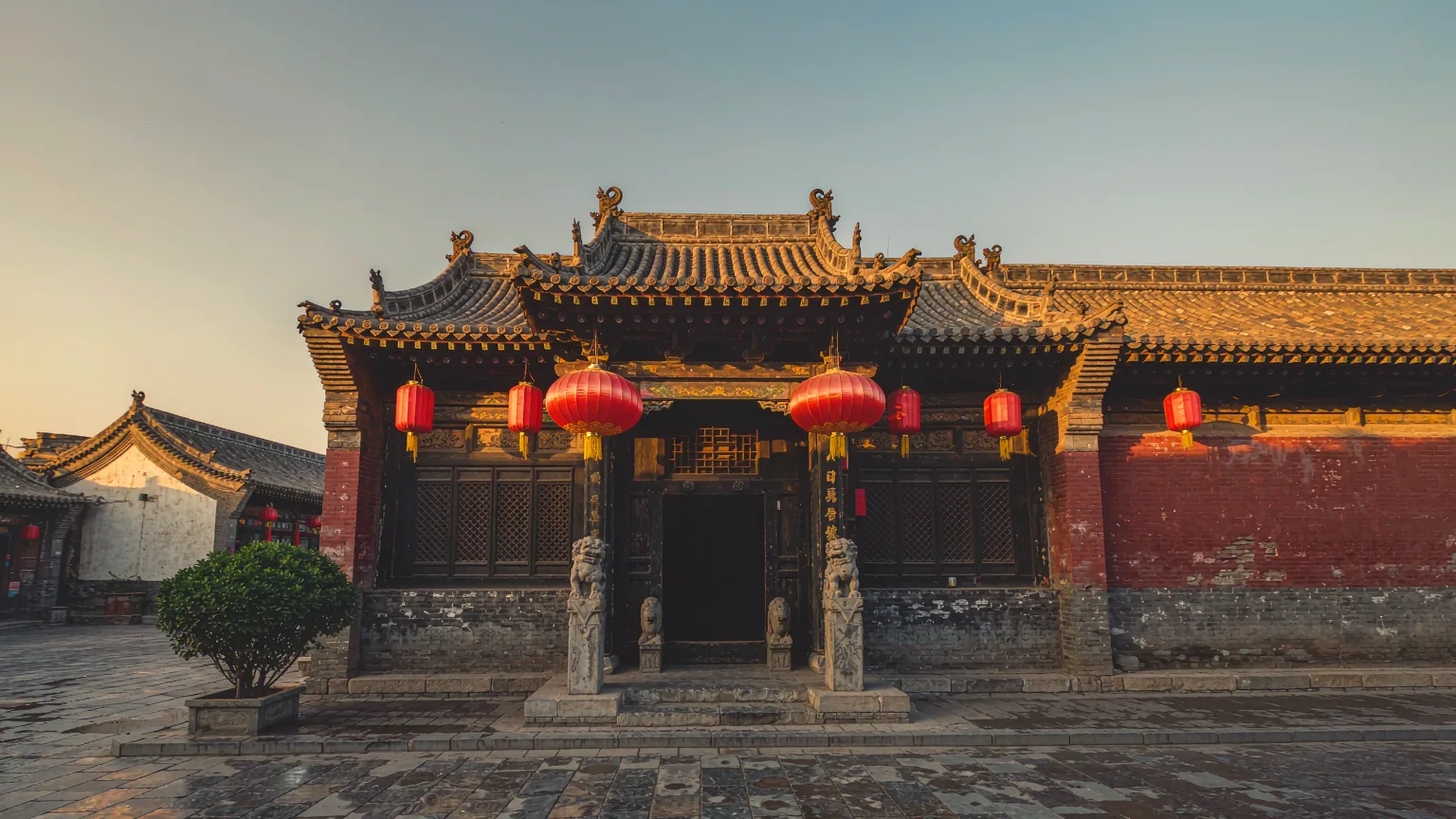
Itinerary at a glance
| 08:30 | Rishengchang: China's First Draft Bank |
| 10:30 | The Pingyao Confucian Temple: The Top Scholar's Exam Paper and the Dacheng Hall |
| 13:30 | The Xieqingqing Money-House Museum: Down into the Underground Vault |
| 15:30 | Shuanglin Temple: Cathedral of Clay Sculpture |
The route, stop by stop
Rishengchang: China's First Draft Bank
Rishengchang stands on West Street, founded in the Daoguang era as China's first bank built on remittance, a single trade that rewrote Shanxi's fate. The counters, account room and letter room survive as left, and the star exhibit is the cipher system: a poem's characters mapping months and figures, so a stolen draft betrayed nothing to outsiders.
The key to reading Rishengchang is the problem it solved: moving silver across provinces was slow and dangerous, and the draft turned silver into paper credit. The display is compact; an unhurried hour covers it.
The Pingyao Confucian Temple: The Top Scholar's Exam Paper and the Dacheng Hall
The temple sits in the city's southeast, its Dacheng Hall a Jin-dynasty original among Pingyao's oldest timber buildings. The courtyard before it runs wide and calm, one street from the banks yet another system of values entirely: examinations, rank, and the scholar's ladder.
A side gallery displays a replica of Zhao Bingzhong's palace examination paper, the Ming top scholar's dense, immaculate small script folding page after page, one glance explaining the weight of the title. The courtyard's print-shop corner lets you pull a rub of your own.
The Xieqingqing Money-House Museum: Down into the Underground Vault
Afternoon belongs to Xieqingqing, the odd one among Pingyao's banks: it began as a money house, and its underground vault is unique in the city. Descend steep, narrow steps into cave-style storerooms warm in winter and cool in summer, where full chests of silver once stacked in these brick cellars, the air shafts and anti-theft design overhead all textbook material.
The manager's room and account room furnish the rest; read against Rishengchang, the two houses' business thinking contrasts at a glance. Forty minutes to an hour covers it.
Shuanglin Temple: Cathedral of Clay Sculpture
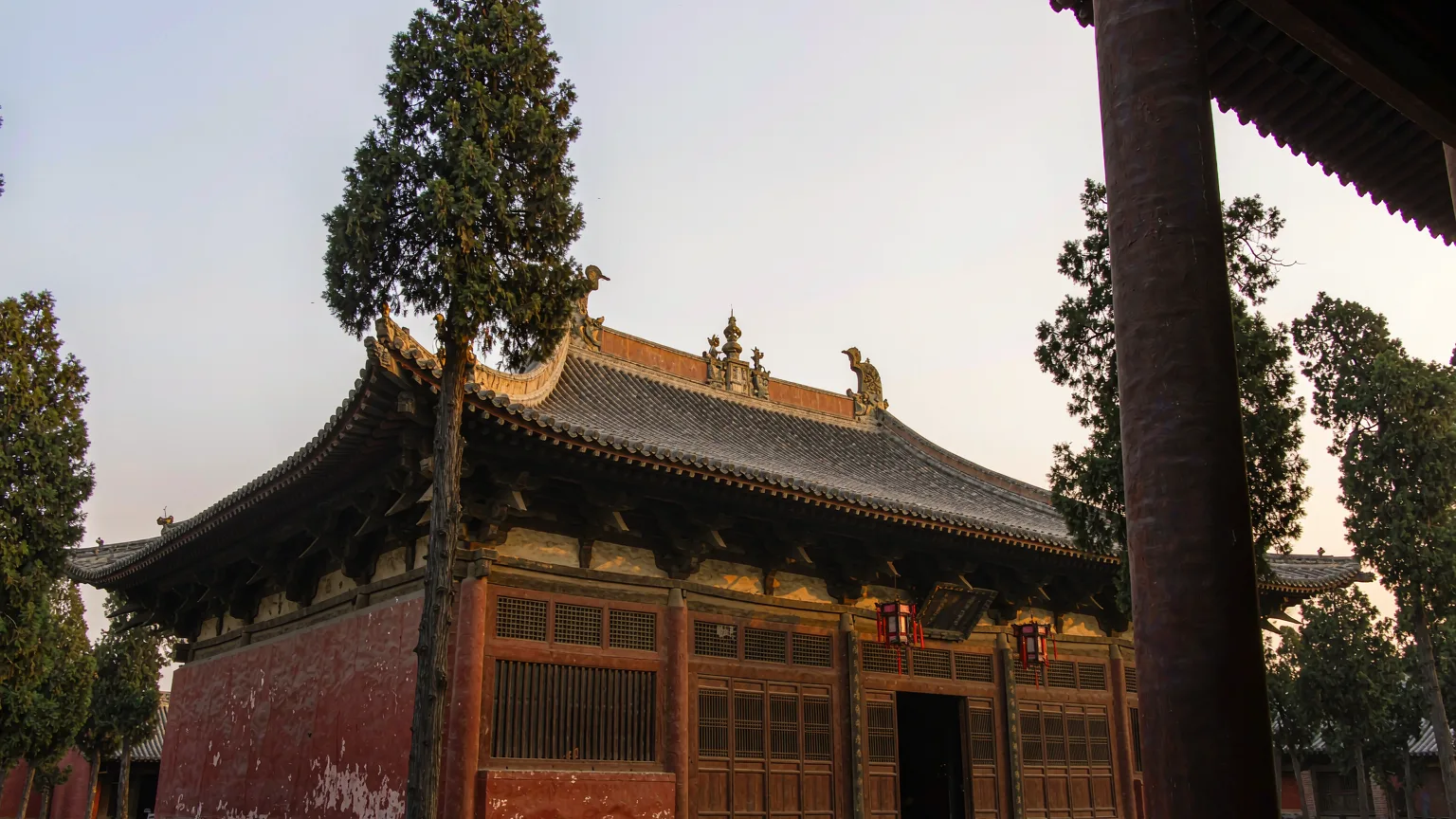
Before dusk, taxi out of town six or seven kilometers southwest to Shuanglin. Behind a plain facade hide over two thousand clay figures from Song, Yuan and Ming hands: the guardian kings of the Heavenly Kings Hall, the Weituo of the Thousand Buddha Hall, two hundred arhats in their own hall, each court outdoing the last. The Weituo's weight shift and drapery rank at the summit of Chinese clay sculpture; three minutes before it and the figure seems to move.
Shuanglin's sculpture weaves free figures into wall relief, beams and walls all stage. Light through the doors shifts the faces with your angle, an experience no album can ship.
| Getting around |
|
| Budget | Rishengchang, the temple and Xieqingqing sit in the city pass (RMB 125, three days); Shuanglin entry is about RMB 35, so the day runs roughly RMB 180-260 pp. |
| Best time | Year-round, with halls and galleries weatherproof; Shuanglin runs cold in winter and its sculpture halls allow no long standing, so dress warm. |
FAQs
Do the culture day and classic day overlap?
Deliberately staggered: the classic day centers on wall and yamen, the culture day on banks, temple and Shuanglin. Rishengchang appears in both, but the classic treats it in overview while the culture day reads the cipher closely. Back-to-back works, with the classic first for grounding.
Is Shuanglin worth leaving the walls for?
Yes, and it is the one stop Pingyao should never spare: sculpture of this rank is rare nationally and completes the banks as the city's civil and martial faces. With only half a day and no taste for figure sculpture, swap in Zhenguo Temple's Five Dynasties timberwork; choosing between the two, detail and iconography favor Shuanglin, structural dating favors Zhenguo.
Do banks blur together? How do I ration three of them?
They do blur, so the culture day books only two with split roles: Rishengchang for system and cipher, Xieqingqing for vault and money-house trade, no overlap of substance. With appetite left, take a third bank for architecture only, skipping its galleries. Save the yamen and escort agencies for the classic day; four hours of like information exhausts anyone.
Any tricks for explaining banks and sculpture to children?
Turn knowledge into quests: hand the child a draft's pattern and hunt where the cipher hides; at Shuanglin play spot-the-difference and count how many expressions the arhats wear. Cap each hall at ten minutes with breaks outside, and a child's attention budget comfortably carries the day's two core stops.