
Pingyao's shopping list runs short and hard: polished lacquerware, Pingyao beef, Chinese yam products and paper-cuts and cloth work, each with centuries of pedigree. This line merges shopping with craft-watching: at the lacquer museum, watch a wooden core earn its mirror shine under a bare palm; at the beef flagship, read an old house's industrial standards; at the heritage town, sweep up whatever gifts remain.
The day's discipline is three questions: where is it made, is there a test report, and can it vacuum-pack and ship. The walls hold many interchangeable souvenir shops, so stick to workshops and flagships and spend on the real thing.
Itinerary at a glance
| 09:30 | The Old Houses of Ming-Qing Street: Look First, Buy Later |
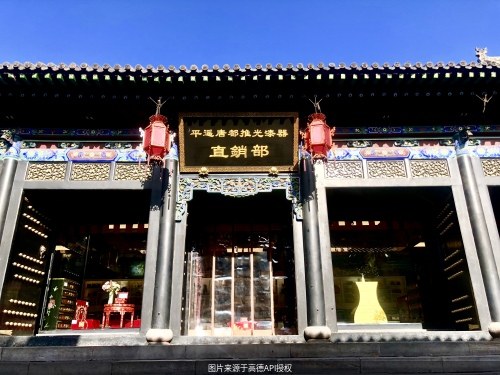
| 11:00 | The Pingyao Tangdu Polished Lacquerware Museum: Learning the Craft |
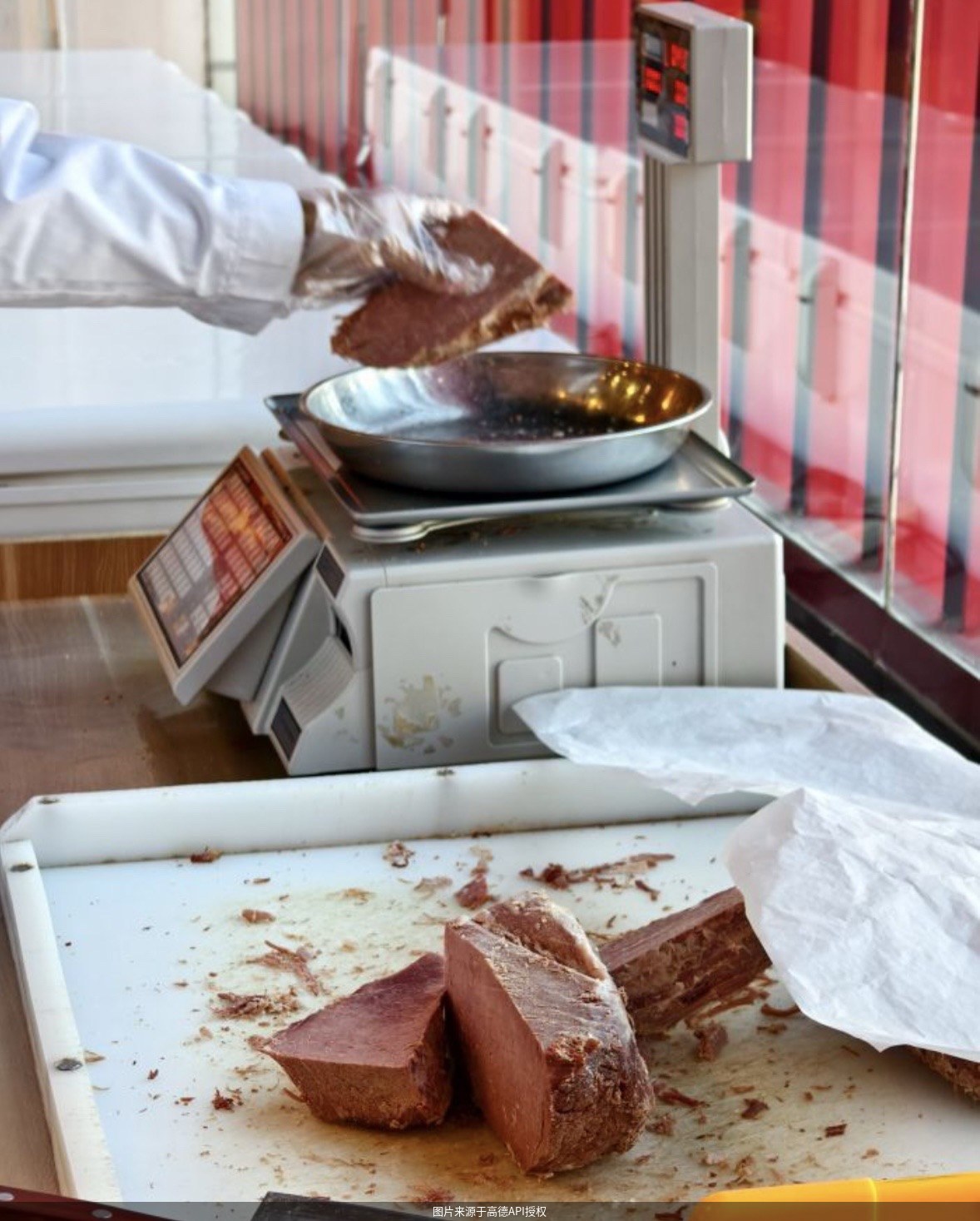
| 14:30 | The Guanyun Pingyao Beef Flagship: Boxing an Old Taste |
| 16:30 | Pingyao Yuan Heritage Town: The Last Round of Gifts |
The route, stop by stop
The Old Houses of Ming-Qing Street: Look First, Buy Later
Morning on Ming-Qing Street is for homework, not checkout. The lacquer, beef and cloth shops stack along both sides; walk the drag once, noting prices and craft gaps: palm-polished lacquer feels warm with the grain ghosting through, while chemical lacquer's gloss floats on top; hand-cut paper shows natural fringing, machine-cut edges die flat.
Note the shop names of anything tempting but hold off; compare after the museum and flagship this afternoon. That is the route's core tactic, for identical lacquer pieces can double in price across one street.
The Pingyao Tangdu Polished Lacquerware Museum: Learning the Craft
Polished lacquerware heads Pingyao's craft trinity: layers of lacquer on a wooden core, then the finish pulled by palm, hair pad and oiled cloth in endless passes until the surface mirrors your face. The museum displays pieces from Qing to contemporary, the technical evolution readable across screens, jewel boxes and lacquer painting, while the workshop quarter shows craftsmen polishing live.
After this walkthrough, the street's price tags suddenly grade themselves. The museum usually opens free, and watching the workshop costs nothing extra.
The Guanyun Pingyao Beef Flagship: Boxing an Old Taste
The afternoon's main purchase is Pingyao beef. Guanyun, the region's biggest name, keeps a flagship stocked with chilled, shelf-stable gift boxes and loose cuts alike; taste before buying, for good Pingyao beef shows rosy, lean-fat balance and a salty finish turning faintly sweet. The boxed versions keep long and travel well by air or post.
Beyond the beef, the house's Chinese yam products and beef sauce make easy add-ons. Check production dates before paying and take the newest batch.
Pingyao Yuan Heritage Town: The Last Round of Gifts
Toward dusk, move to the heritage town outside the walls, where Pingyao and its neighbors' intangible crafts gather along one street: paper-cuts, cloth tigers, dough figures, small lacquer pieces and scholar's goods, workshop behind and counter in front, many keepers the makers themselves. For a carved name seal or a custom paper-cut, the odds here beat the old town's.
Evenings run thin on crowds and bargaining room stretches twenty percent beyond the main street; clear whatever remains on your list here in one pass before leaving town.
| Getting around |
|
| Budget | Gift budgets swing wide: small lacquer pieces RMB 50-300, beef gift boxes RMB 60-200, and RMB 200-500 shops respectably for most travelers. |
| Best time | Any season; shops run to about 9 pm in high season, and some heritage-town workshops down tools after four. |
FAQs
How do I tell palm-polished lacquer from chemical lacquer?
Three looks and one touch. The gloss: palm-polished reads warm and reserved, chemical lacquer glares. The grain: real lacquer lets wood grain ghost through, chemical bases sit uniformly flat. The weight and lacquer depth: hand-applied layers stack heavy. The feel: polished lacquer warms, never icy. Anything sold as palm-polished under a hundred yuan is near-certainly not.
Can Pingyao beef fly or ship by courier?
Domestic checked baggage takes shelf-stable boxes fine, while chilled packs need ice and do not suit long hauls; international flights hit meat-import rules, and most countries refuse them. Courier is easiest, with flagships handling it, taxes and insurance per the courier's rules, and box survival rates better than hand-carry.
On a tight budget, what should I buy first?
Priority order: one small box of beef, one small palm-polished lacquer piece, and one paper-cut or cloth work. Beef is the city's taste card, small lacquer represents the craft from a few tens of yuan, and paper-cuts cost little and weigh nothing. Large screens and whole copper pots carry heavy transport costs, so save them for deeper pockets or a next trip.
Is haggling acceptable in the old town?
Branded and workshop-direct stores hold fixed prices; haggling belongs to street souvenir shops and heritage-town stalls, commonly around twenty percent. Etiquette is one counteroffer and commitment once agreed; taste and touch before you bargain, since keepers concede more to shoppers who show real interest.