
Qingcheng is Qingyang's old root: this is where the Zhou forefather Buzhu, having lost his office, fled among the Rong and Di tribes and taught the people to sow and reap, the birthplace of Zhou ancestral farming. The county town hugs hill and river with the old grid intact, and the mausoleum park, Yaowang wellness town and the old-city streets form a walkable two-kilometer loop.
The day is gentle: climb Zhouzu Mausoleum in the morning for its halls of commemoration and loess-plain views, eat an earthen hot pot in the old town at noon, spend the afternoon in Yaowang town's cave-dwelling lanes with herbal cuisine and folk custom, and finish with a riverside walk at dusk. Xifeng to Qingcheng is about an hour, fine either as a day trip or with a night over.
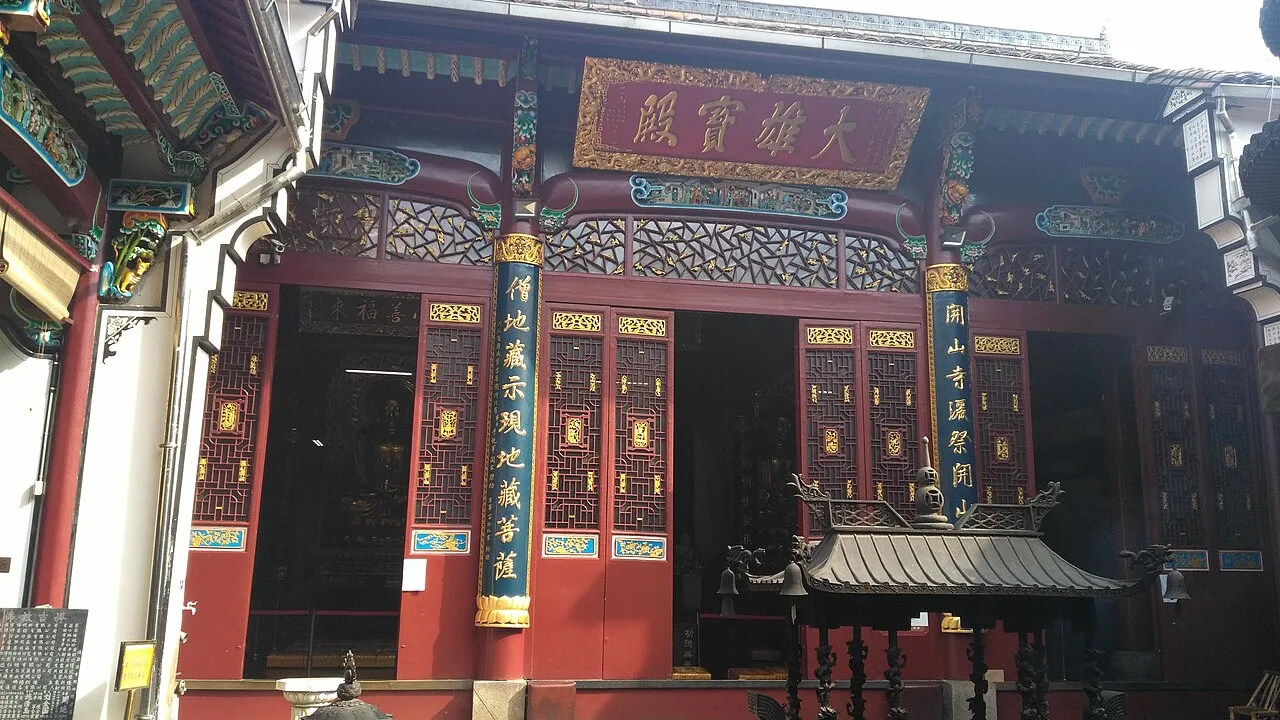
Itinerary at a glance
| 09:00 | Zhouzu Mausoleum Forest Park: Climbing to See the Loess Plains |
| 11:30 | Old-Town Lunch: A Proper Introduction to the Earthen Hot Pot |
| 13:30 | Yaowang Cave Wellness Town: Slow Hours in Cave Dwellings |
| 15:30 | The Old Qingzhou Quarter: Street Life Under the Old Wall |
| 17:30 | By the Huan River: The Day's Last Half Hour |
The route, stop by stop
Zhouzu Mausoleum Forest Park: Climbing to See the Loess Plains
Zhouzu Mausoleum crowns Qingcheng's eastern hill, named for Buzhu the Zhou forefather buried here, tickets about 40 CNY. The park climbs past the Zhou Ancestor Hall, stele pavilions and a ritual plaza, and from the top the loess plateau's braided gullies spread below, a living textbook of yuan plateaus, ridges, mounds and ravines.
The summit takes about forty minutes; average legs can turn back at the mid-hill stele pavilion where the view is already generous. Wind picks up on top, so carry a layer in the season changes. The site's meaning lies less in buildings than in the historical marker of where Zhou farming began, best read together with the museum boards below.
Old-Town Lunch: A Proper Introduction to the Earthen Hot Pot
Back down, eat an earthen hot pot in the old town: a black clay pot layered with cabbage, tofu and glass noodles, topped with lamb meatballs, crisp-fried pork and wood ear, simmering over charcoal and still bubbling at the table. It is Longdong's flagship hospitality dish for winter and spring; one pot feeds two at forty to fifty CNY per person.
Order yellow-millet fried cakes and a corn-grits soup alongside, alternating sweet and savory. Noodle and hot-pot shops cluster along the main street; walk into whichever one is full of locals. Eat slowly, since the hot pot peaks twenty minutes after it lands.
Yaowang Cave Wellness Town: Slow Hours in Cave Dwellings
The afternoon belongs to Yaowang Cave wellness town, a district built into the gullies with shopfront after shopfront carved from old cave dwellings: herbal restaurants, wellness teahouses, craft workshops and folk museums. Caves stay warm in winter and cool in summer, dropping your felt temperature five degrees on entry, an architectural experience in itself.
Focus on three things: a cup of herbal stew at a medicinal restaurant, the traditional vinegar-brewing process at the workshop, and the Longdong paper-cutting and embroidery displayed in the folk museum. Entry is free, spending is optional, and two hours fits perfectly.
The comfort of a cave dwelling is not magic. Loess conducts heat very slowly, so the thick earth wrapping the room keeps summer heat out and holds the warmth of the heated kang in through winter. The temperature swings of day and night are smoothed away by the soil itself, which is why locals have lived comfortably here for generations without air conditioning.
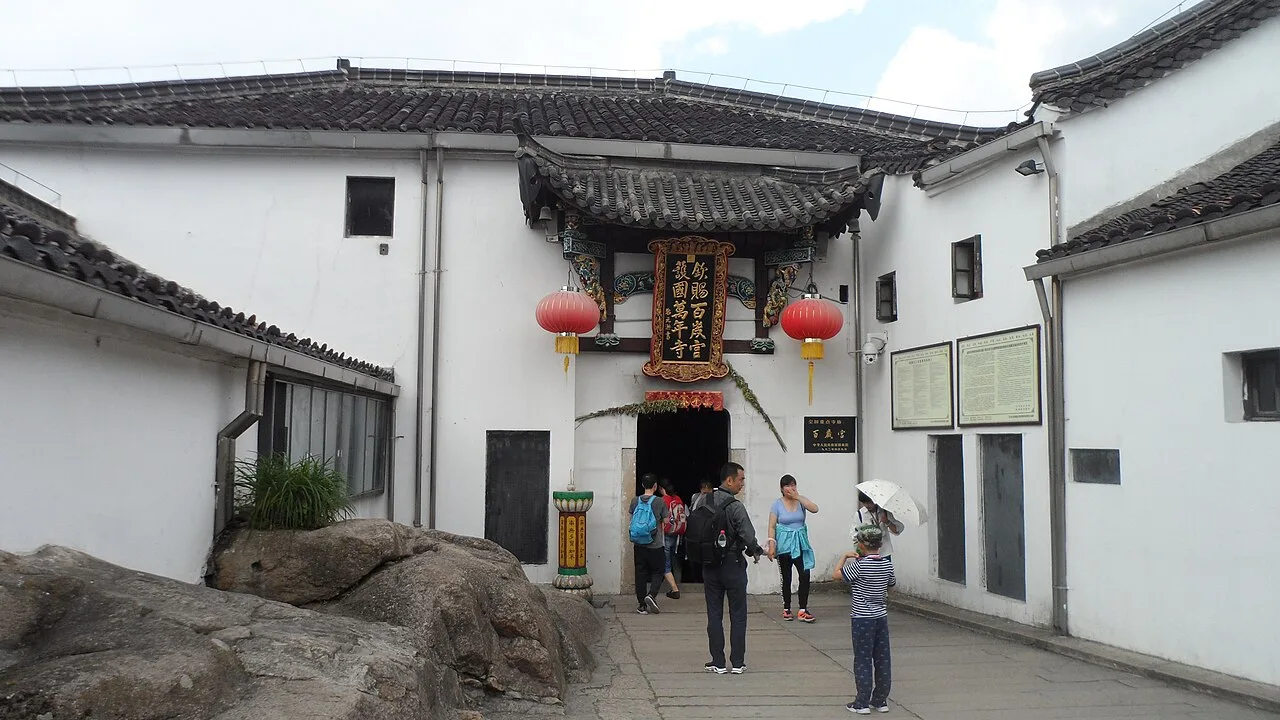
The Old Qingzhou Quarter: Street Life Under the Old Wall
From Yaowang town, walk to the old Qingzhou quarter, a restored commercial street where grey brick and tile mix with genuinely old courtyards. Wall remnants and former gate sites mark this as the Song-era seat of Qingzhou prefecture, where Fan Zhongyan governed and whose works still leave traces.
The snack stalls and general stores interest more than any attraction: fresh-baked hot-pot flatbread, hand-drawn noodles, dried apricots and walnuts from elderly vendors. Buy a bag of apricots to eat while walking and chat with the sellers; Longdong dialect carries a century of plateau stories.
By the Huan River: The Day's Last Half Hour
Save the ending for the Huan riverbank. Qingcheng sits cradled by the Malian and Huan rivers, with tidy riverside paths where locals stroll, dance and walk their kids at dusk. The hills across the water show the loess plateau's characteristic layers, the plateau rims traced gold by the last light.
After this half hour the day is complete: Zhou fields, hot-pot charcoal, the cool of caves and the old town's walls. Qingcheng resists rushing; it rewards slowing to the locals' pace. Buses back to Xifeng run late, so an unhurried finish is no problem.
| Getting around |
|
| Budget | About 200 to 350 CNY per person excluding hotels: Zhouzu Mausoleum about 40 CNY, Yaowang town free, food 60 to 100 per day |
| Best time | April to October is most comfortable; spring peach blossom and autumn color are the mausoleum's two beauty peaks |
FAQs
Is Zhouzu Mausoleum comparable to the Yellow Emperor's Mausoleum in Shaanxi?
Both are ancestral commemorative sites, though far smaller; the draw is the origin story of Zhou farming plus the loess landscape, best as one link in a Qingyang culture line rather than a standalone destination.
Is Yaowang town overly commercialized?
It is commercial but not dense, and the genuine cave architecture holds the line; avoid weekend afternoon tour peaks for a far better experience.
Can Qingcheng be done in half a day?
Half a day covers the mausoleum climb and one meal but rushes Yaowang and the old quarter; give it a full day to feel the town properly.
If I skip climbing, is the mausoleum still worth visiting?
The mid-hill plaza and stele pavilions deliver the main experience, and the base exhibits work alone, though the summit view over the plains is the irreplaceable part; go as far as your legs allow.