
Huanxian sits at Qingyang's northern end near the southern rim of the Mu Us sands, home of Daoqing shadow puppetry and the core producing area of Huanxian lamb. Puppetry here is not tourist performance but living folk art: elder troupes still play temple fairs and weddings, while Huanzhou old town has grown a culture park integrating display, workshops and shows.Huan County, anciently known as Huanzhou, lies in the transition belt between loess hills and the southern edge of the sandy lands, a frontier where farmers and herders contended for centuries, and that border-town temperament still shapes the county's character.
Three days go immersive: day one walks Huanzhou old town for the full picture, day two follows a complete puppet performance and visits backstage for the carving, day three closes with lamb at its best and an early-morning market. Huanxian lies about two hours from Xifeng by rail or car. Around lunar festivals and temple fairs the performance schedule fills out noticeably, so check the local events calendar before setting off.
Itinerary at a glance
| DAY1 09:00 | Huanzhou Old Town: A Folk-Culture Overview in Cave Architecture |
| DAY2 09:00 | Puppet Day: A Full Performance and Backstage Carving |
| DAY3 09:00 | Morning Market and the Lamb Finale |
The route, stop by stop
Huanzhou Old Town: A Folk-Culture Overview in Cave Architecture
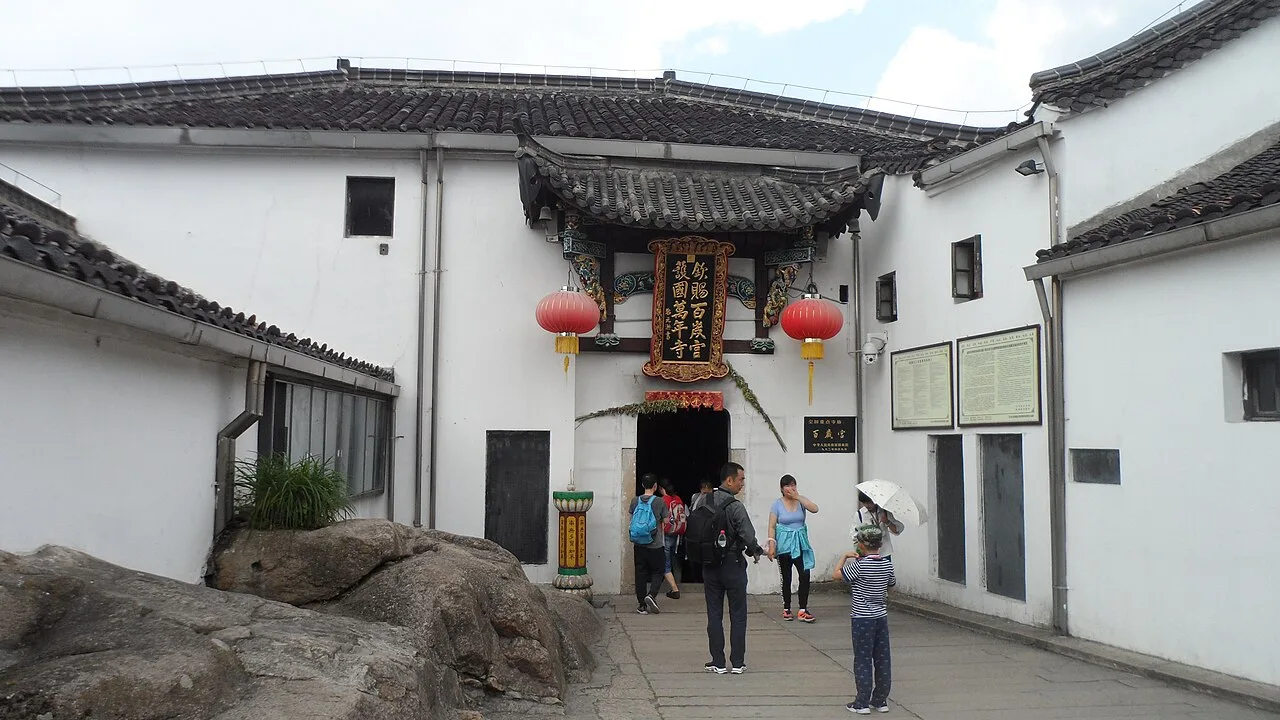
Day one afternoon enters Huanzhou old town. Built against the hill, this culture park concentrates Huanxian's core symbols: cave-dwelling inns and shops along the slope, with the shadow puppet museum, sachet hall and sheep culture hall in sequence, and a climb overlooking the Huan River and county town.
Focus on the puppet museum's collection, tracing the evolution from Qing dynasty figures to contemporary pieces; at dusk the town lights up and the cave-cluster skyline reads sharply against the dark. Entry is free or cheap, two to three hours fitting.
Cave dwellings are the bedrock of local housing: the loess holds a vertical face and timber is scarce, so digging into the hillside was the economical choice, and the warmth in winter and coolness in summer still win local loyalty. The old town reproduces this living building tradition in one place, and after your visit the scattered cave courtyards around the county seat read with a whole new layer of understanding.
Puppet Day: A Full Performance and Backstage Carving
Day two afternoon confirms the evening show at a heritage academy or the old-town theater, with time to watch the carvers' benches: ox-hide passes more than twenty steps of scraping, grinding, cutting and dyeing, thousands of knife strokes per figure. Take a seat by five, as the evening show runs one to two hours.
A full Daoqing troupe runs on five busy hands: one lead singer-puppeteer up front, four on instruments and support. When the lamp brightens and the fish drum starts, the desolate singing carries far across the plateau night. Afterward, visit backstage to see puppets packed away, the artists narrating each figure's stage life.
Huan County daoqing shadow puppetry is inscribed on the national intangible cultural heritage list and has traveled to larger stages as a key strand of Chinese shadow theater. Daoqing grew out of Taoist chant-and-story performance; when the fish drum and clappers sound, the desolation in the singing and the night over the loess tableland annotate each other. During the show, watch the movable joints of the puppets: every lift of a hand or foot comes down to the puppeteer's three bamboo rods.
Morning Market and the Lamb Finale
Day three starts early at the Huanxian market, watching trade in mountain goods, hides and grains, the daily texture of a small city on the plateau's rim. Buckwheat, oats and yellow millet sell honest and cheap as souvenirs.
Lunch closes the trip with full Huanxian lamb: clear-stewed, wine-braised and stir-fried, one of each, with buckwheat helao noodles. Return to Xifeng after lunch, two hours on the road, completing this northern run of puppets and lamb.
The fame of Huan lamb rests on the animal itself: local goats and Tan sheep graze across the tableland ridges and gullies on slightly alkaline grasses, yielding meat that is tender and free of gaminess. The bundled buckwheat and flax at the market are this land's other answer, and buckwheat noodles with lamb is the everyday bowl of Huan County.
Lamb here follows the calendar too. Locals say the meat is fattest in autumn, after a summer and fall of good grazing, and that a clear stew shows it off best; in winter and early spring the cooking turns to wine braised dishes and hotpots, heartier and warming. The lamb stalls in the market rise and fall with the seasons, a kind of living almanac of plateau life.
| Getting around |
|
| Budget | About 500 to 900 CNY per person excluding hotels: the old town free or cheap, shows 30 to 60 CNY, lamb feasts 60 to 100 per person |
| Best time | Year-round works; festival and market periods carry the most shows, so confirm by phone before travel |
FAQs
Does Huanxian puppetry differ from what shows in Xifeng?
Same in essence, but Huanxian is the homeland: fuller troupes, more regular performances and far better backstage access, worth the trip north for deep fans.
Is it wasted if I cannot follow the dialect singing?
No. The puppet action and music carry the story, and a plot sheet plus atmosphere suffice; asking artists about the plot afterward often brings bonus storytelling.
Is lamb pricier in Huanxian than in Xifeng?
Origin pricing runs equal or lower with fuller choice; for the most authentic Huanxian lamb, this is the terminus.
What is the one unmissable thing in three days?
One full evening Daoqing show. Everything in daylight is prologue; the moment the lamp brightens and the drum starts is Huanxian's soul.