
The Ziwu Range is a green spine through the loess plateau's middle, with the Qin direct road running its ridgeline north two thousand years ago, its relics still traceable in the woods. Qingyang's eastern belt of Huachi, Heshui and Ningxian forms the core of this forest-edge line, where woodland meets loess gullies in a rare collage.The name Ziwu Ridge comes from a ridge line that runs true to the meridian, and the range forms one of the better-preserved natural vegetation belts in the central loess plateau, what locals call the green reservoir of eastern Gansu.
Three days run one vertical, one horizontal: day one heads east from Xifeng into the woods for an easy park hike; day two moves north along the edge for the Qin road relics and the Nanliang revolutionary sites; day three doubles back through grottoes or cave hamlets to complete the cultural picture. Crowds are thin, suiting quiet-loving self-drivers. Fuel stations and supply points are sparse along this route; a full tank and packed provisions matter more than any itinerary.
Itinerary at a glance
| DAY1 09:00 | Into the Woods: An Easy Hike on the Heshui Side |
| DAY2 09:00 | The Qin Road and Nanliang: Old Highway and Memory |
| DAY3 09:00 | The Return Leg: Cave Hamlets and the Close |
The route, stop by stop
Into the Woods: An Easy Hike on the Heshui Side
Day one runs from Xifeng toward Heshui, an hour into the Ziwu edge. Park tickets run 30 to 60 CNY, with trails along ridges and gullies suited to a two-to-three-hour loop: mixed stands of Chinese pine and Liaoning oak, pheasants and squirrels, and gullies where the plateau floor suddenly drops, all worth pauses.
The woods stay cool at noon, so midday hiking works. Carry packed food or eat in the forestry town, lodging overnight in Heshui county, cheap and clean.
The forests of Ziwu Ridge are a case study in secondary-growth recovery: over-clearing in the past carved the land into gullies, while decades of closing the hills to logging have let Chinese pine and Liaodong oak knit back into a green belt, slowing soil loss. On the trail, note the silt-check dams in the gullies and the fish-scale pits on the slopes, the marks of people and loess wrestling with and redeeming each other.
The Qin Road and Nanliang: Old Highway and Memory
Day two runs north along the forest edge. The Qin direct road, a military highway ordered by the First Emperor and built by Meng Tian, leaves ridge sections still legible, the bed reaching tens of meters wide. Standing on the relics, the scale of the engineering contrasts hard with today's forest quiet.
The afternoon reaches the Nanliang Revolutionary Memorial in Huachi County, the core commemorative site of the Shaanxi-Gansu border base area, rigorous exhibits and free entry. Lodge in Huachi county town and close with local lamb.
The Qin Straight Road was begun under the First Emperor and built under General Meng Tian, running some seven hundred kilometers from Yunyang in the south to Jiuyuan in the north, cut through mountains and filled across valleys, and it is often called one of the world's earliest highways. Nanliang, meanwhile, is the core memorial site of the Shaanxi-Gansu border revolutionary base area, its historic buildings well preserved. Moving from a two-thousand-year-old military road to the 1930s within one day is the very appeal of this route.
The Return Leg: Cave Hamlets and the Close
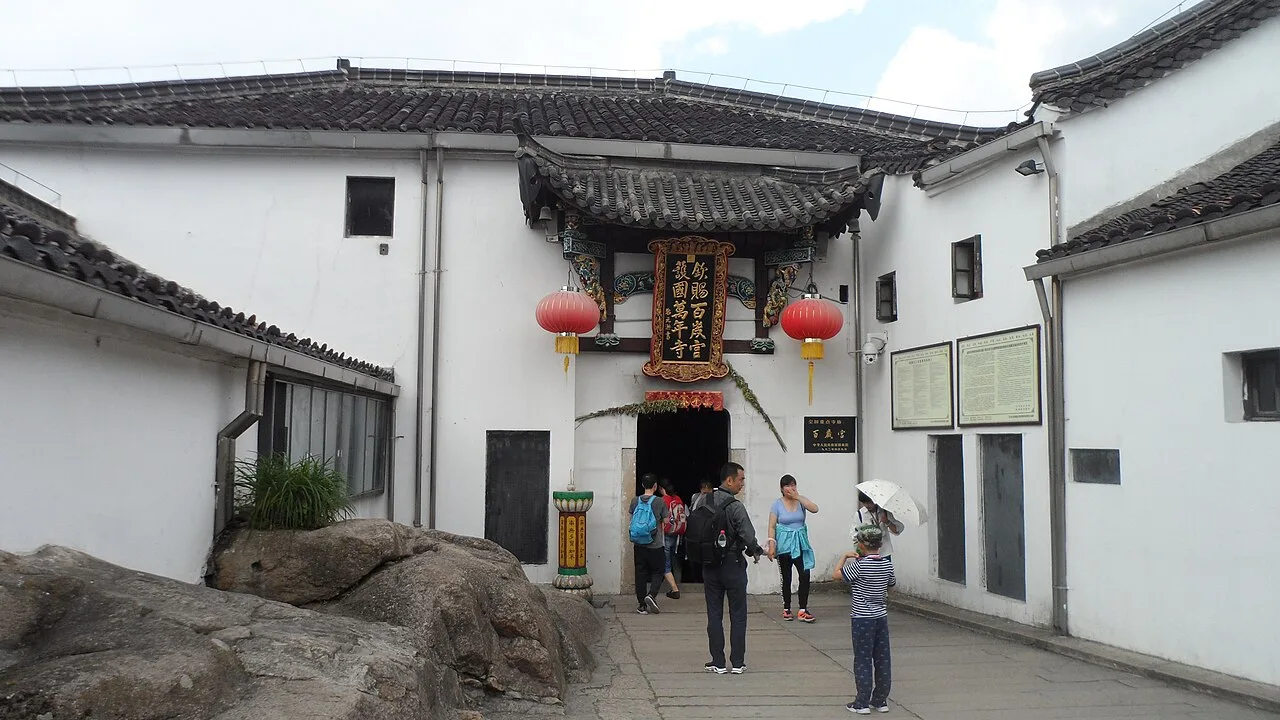
Day three doubles back to Xifeng on rural roads through Ningxian or Heshui, passing well-preserved cave hamlets dense with photographic subjects: cave facades, corn racks, old locust trees and cooking smoke on the plateau. Morning light is best, so leave time for stops.
Eat a farm lunch in Ningxian or Heshui and reach Xifeng by afternoon. These three days show Qingyang's most different face: not Longdong in a museum, but Longdong still running its daily life among forest, old road and cave homes.
Behind the beauty of the cave villages lies a whole survival intelligence: cliffside courtyards dug into gully walls, sunken courtyards carved downward into the plateau, and vaulted brick caves shaped from adobe, all different forms with one logic, homes borrowed from the loess itself. Warm through winter and cool in summer, the caves still house many villagers; beyond taking photos, consider buying a basket of plateau apples or a bag of freshly milled proso millet and lingering for a chat with your hosts.
The insulation of a cave dwelling comes from the nature of loess itself. Thick earth conducts heat so slowly that summer scorch and winter frost are both worn down before they reach the interior, and the arched roof spreads its load evenly. A single room can shelter a family for a century, a quiet gift the soil gives to those who live in it.
| Getting around |
|
| Budget | About 500 to 900 CNY per person excluding hotels: forest park tickets mostly 30 to 60 CNY, two charter days about 600 |
| Best time | May to October is best, peaking in October color; some forest roads close in winter |
FAQs
Is the Ziwu Range worth a dedicated visit?
For nature and quiet seekers, yes: it is Qingyang's least touristed direction and the forest-loess border landform is rare in the northwest; time-pressed travelers may skip it.
Are the Qin road relics obvious, or hard to grasp?
Some sections show clear bed outlines with interpretive boards; even without a guide the scale lands, and history buffs can read up beforehand to deepen it.
Does the Nanliang memorial suit children?
Yes, the exhibits narrate clearly with systematic patriotic-education content, and audio or human guides markedly help children follow.
Is this line drivable in winter?
Not recommended: forest roads may ice over and rural maintenance weakens; a winter culture line of downtown plus grottoes is the safer plan.