
Past the three sites, Qufu shows another face: Queli's crafts and kaidiao carvings, Wumaci's street snacks, the Liaohe water lanes and their lights. This citywalk is not about remains but about strolling the town Confucius lived in as just a small northern city.
Walking plus one rickshaw leg, five kilometers or so. The rhythm: buy in the morning, walk the river in the afternoon, watch the lights at night, and drop meals into any street, since the food density outnumbers the gift shops.
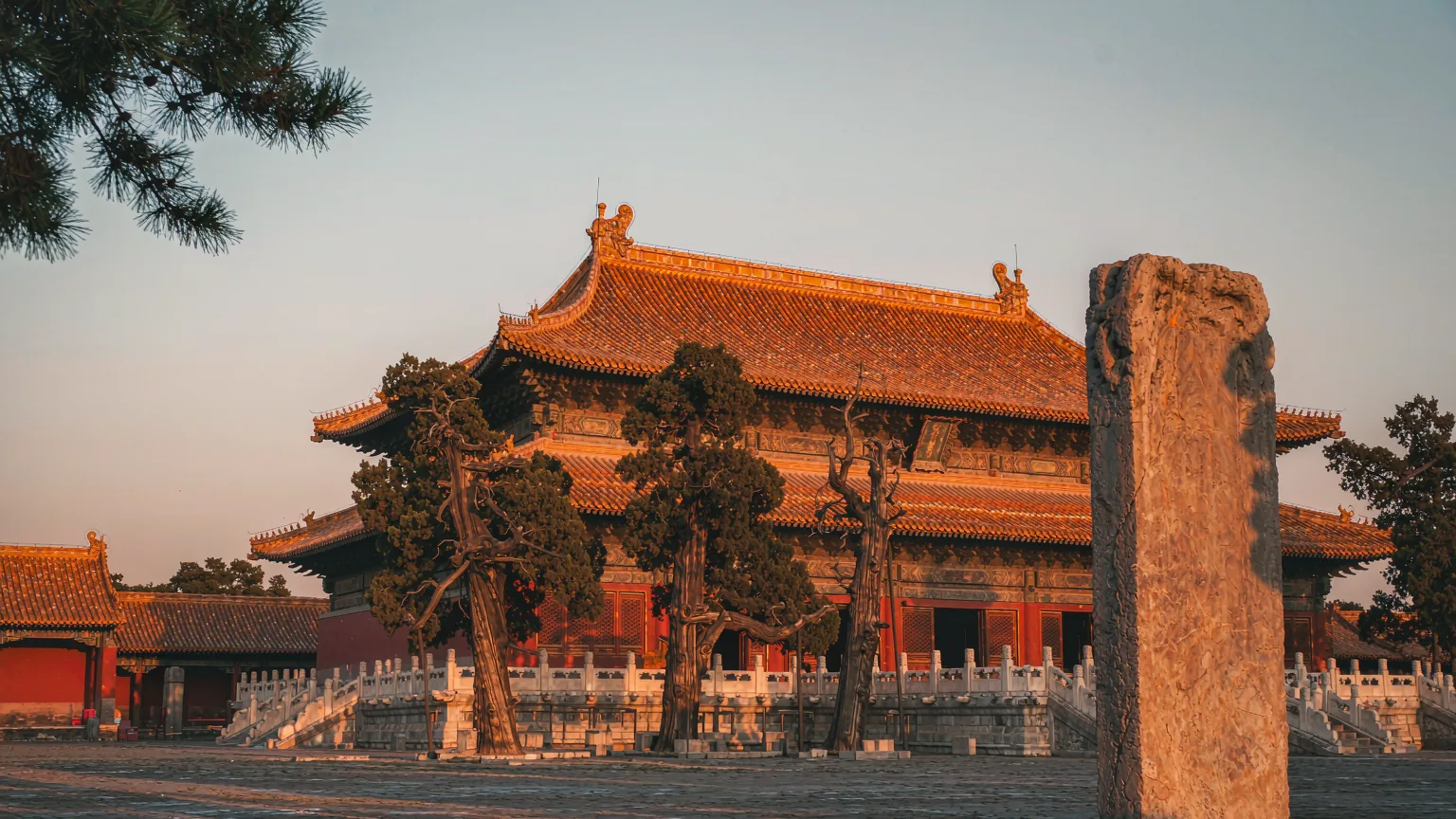
Itinerary at a glance
| 09:00 | Queli Pedestrian Street: Starting with Kaidiao and Rubbings |
| 11:00 | Wumaci Street: The Town's Own Commercial Memory |
| 14:30 | The Liaohe Old Street: An Afternoon by the Water Lanes |
| 19:30 | The Lit Liaohe Riverside: Night Is the Main Feature |
The route, stop by stop
Queli Pedestrian Street: Starting with Kaidiao and Rubbings
Queli Pedestrian Street hugs the temple, Qufu's craft hub. Three goods rule it: kaidiao carvings in the local master tree, most often ruyi scepters and bead bracelets, stele rubbings, and Nishan inkstones. For kaidiao look for local workshop marks, and ask every rubbing whether it is hand-pulled from the original or printed, a five-fold price gap.
Morning runs thin and shopkeepers patient, the golden browsing hour. Buy or not, enter and chat; Qufu's artisans tell old Mansion stories far better than any guidebook.
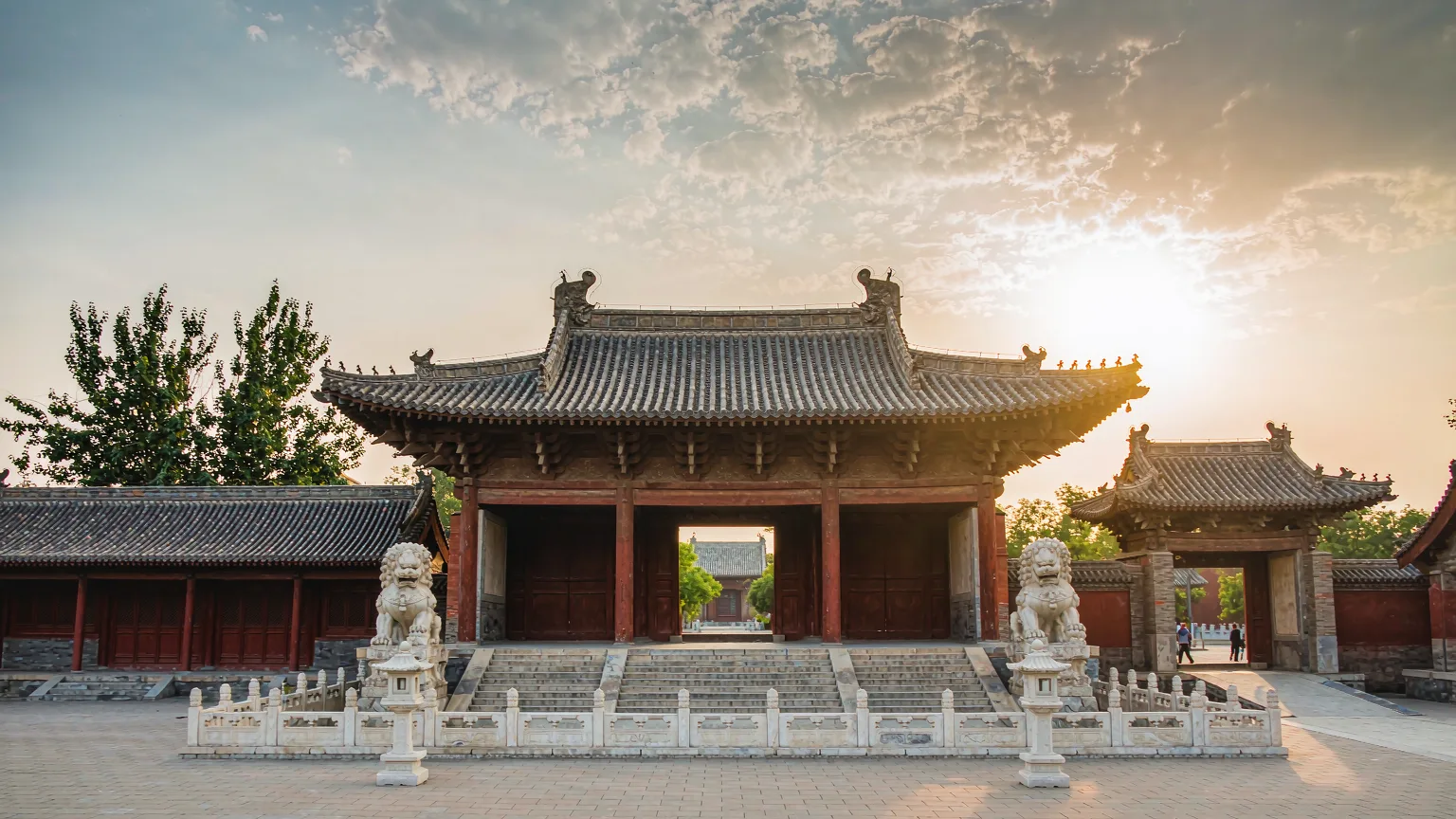
Wumaci Street: The Town's Own Commercial Memory
Wumaci Street is the town's veteran commercial strip, earthier than Queli: clothing shops, snack carts and daily-goods stores mixed along the locals' after-work route. Its charm is authenticity, no tourist-tuned lighting or pricing, the pancake and fried-skewer carts cooking for neighbors.
Lunch happens here, the corner's fried buns and sa soup extending the local breakfast, ten yuan a head to bursting. Take a fresh-fried crispy leaf or sugar cake for the road; eating while walking is this street's correct usage.
The Liaohe Old Street: An Afternoon by the Water Lanes
The afternoon moves to the Liaohe old street, a restored water lane with the river running through it, stone bridges and antique-style fronts along the banks. Daytime stays hushed, made for slow riverside walking, and the teahouse and cafe seats at the water are the best idle spots in Qufu.
Businesses split between dining and small shops, fewer crafts than Queli, more ways to eat and drink. Slow down; this street's value appears only after you sit.
The Lit Liaohe Riverside: Night Is the Main Feature
Night is the main feature of the Liaohe walk. After dark both banks light up, reflections warming the water, slow boats sliding past while bridge arches and lamp shadows alternate. Friday to Sunday bring light shows and waterside performances, modest in scale but full in mood.
Dinner riverside, grabbing water-adjacent seats at the fish-grill and stir-fry kitchens early. Afterward walk to the street's end and back, forty minutes a loop, mentally sorting the day's purchases. That is how a Qufu day closes.
| Getting around |
|
| Budget | The day is mostly food and gifts, roughly RMB 150-300 pp. |
| Best time | Year-round; Friday-Sunday nights run the fullest river light shows, and weekday mornings stay quietest. |
FAQs
Is this street day wasted without seeing the three sites first?
Not wasted, but order helps: after the three sites, the kaidiao and rubbings gain context, and the river lights read as ritual grown into daily life. One-day visitors should do the sites by day and the river by night, compressing this line into an evening version.
Is Queli's merchandise worth buying? Any fakes?
Kaidiao and rubbings carry real skill, but tiers matter: local workshop pieces sit beside wholesale stock with wide gaps in price and work. Judge by maker marks and detail, hand carving varying in depth while machine work looks suspiciously uniform. Unsure, buy small, where even a mistake stays cheap.
Is the river worth a second, dedicated night visit?
Yes, day and night are two different sites: lights, boats and shows exist only evenings, fullest Friday to Sunday. Staying in town, it is a post-dinner walk away, a negligible cost; daytime-only travelers can still take seventy percent of it by giving the waterside tea seats enough time.
Do rickshaw drivers overcharge?
Agree before boarding and you are safe: ten to twenty yuan for short hops is the fair band, longer routes settled in advance. Proper rickshaws carry uniform dress and numbers, wary of overheated touts steering you to shops. Cash or QR both work, and agreed prices are generally honored; Qufu's rickshaw reputation runs decent overall.