
The plane-tree district is Shanghai's pet name for the Hengshan-Fuxing heritage zone, a thousand historic villas woven through the shade with Wukang Road as its spine and Anfu, Wuyuan and Fuxing West crossing it. The theme is turning a viral street back into daily life: the telephoto scrum before the Wukang Building is for visitors, the breakfast stands and secondhand bookshops are for residents, and today you take both.
The route crosses once: in at the Wukang Building from the northeast, southwest through Anfu and Wuyuan, landing near Fuxing West and Wulumuqi Road, four kilometers all told, half a day at a browsing pace.
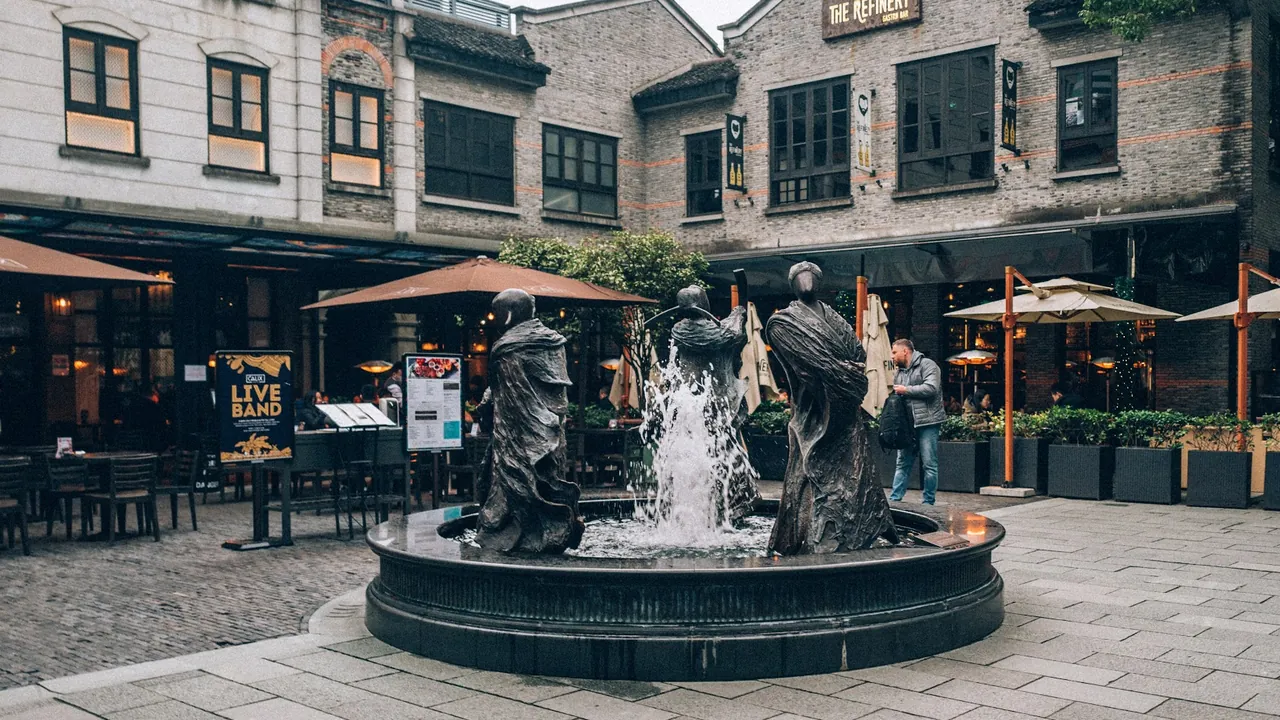
Itinerary at a glance
| 09:30 | The Wukang Building and Huaihai Road: First Shot at the Prow |
| 10:30 | Wukang Road and Ba Jin's Home: A Literary Map in the Shade |
| 12:00 | Anfu Road: The Drama Center and Buyer Shops at Noon |
| 14:00 | Wuyuan and Wulumuqi Roads: Coffee Meets Street Life |
| 16:00 | Fuxing West Road and the Courtyards: A Villa-Paced Close |
The route, stop by stop
The Wukang Building and Huaihai Road: First Shot at the Prow
The Wukang Building, once the Normandie Apartments, rose in 1924 from Ladislav Hudec's pen, its ship-prow facade the city's first landmark photo stop. By half past nine morning light lands squarely on the prow; the Tianping Road crossing opposite holds the panorama, thinnest before eight.
The ground-floor colonnade and letter alcoves reward a close look, and the 1920s elevator lobby opens on occasional open days. The best way to read the building is from La Fermob's courtyard opposite, looking back at its stern.
Wukang Road and Ba Jin's Home: A Literary Map in the Shade
Number 113 is Ba Jin's former home, free to enter: the author of Family lived here forty years and planted the osmanthus in the garden himself. The presentation is restrained and exact, the study kept as found, and upstairs his late-life desk and lamp still sit by the window.
Wukang Road itself reads as a curated museum of houses: the Romeo balcony at 393, the Huang Xing residence, Soong Ching-ling's home scattered along the way. No checklist needed here; look up at cornices and pediments and nearly every step has a footnote.
The house runs a one-way route: courtyard first, then upstairs to the study, exiting through the side door, twenty minutes in all. The osmanthus he planted blooms in October and the scent reaches the street; come in any other season and treat it as a reservation to return.
Anfu Road: The Drama Center and Buyer Shops at Noon
Anfu is the district's shortest, densest lane: the Shanghai Drama Arts Center anchors the west end, tickets for evening shows gone a week ahead, buyer shops and bakeries hold the middle, and the Duozhuayu secondhand bookstore sits at 288.
Lunch on this street is standard procedure: a pretzel from FASCINO, small plates at Hai Dai, or simple fare upstairs at the bookstore. Prices run high but honestly so, ingredients and craft both on display.
Wuyuan and Wulumuqi Roads: Coffee Meets Street Life
Wuyuan Road holds the district's highest local density: the Wuzhong market in a former vegetable hall, shoe-repair and tailor fronts sharing doorways with espresso machines. Wulumuqi Middle Road draws the line between viral and everyday, the sound of chess-playing uncles at the lane mouths steamrolling the espresso machines.
Your task here is finding a chair: the long bench at 71 Wuyuan, any neighborhood cafe's window seat. People matter more than buildings for reading this quarter, the residents who shop in their pajamas are its true base note.
Wuzhong Market began life as a wet market and kept its stall layout: fresh produce downstairs, snacks and sundries up. Queue for a fresh soy milk or a meat mooncake behind the uncles and aunties with their baskets, the shortest route to understanding this neighborhood.
Fuxing West Road and the Courtyards: A Villa-Paced Close
Fuxing West holds the district's densest villas, Spanish and Art Deco facades at their most sculptural in pre-dusk slant light. The courtyard at 376 is the route's terminus: galleries, buyer shops and outdoor cafe seats among red-brick elders, a good chair for looking back at the day's map.
Fifteen minutes back to the Wukang Building closes the loop at dusk, the same prow photographed at dawn now wearing a different character entirely.
| Getting around |
|
| Budget | Coffee and snacks, about RMB 80-200 pp. |
| Best time | Mar-May and Oct-Dec, when the plane trees pose best; weekends peak 14:00-17:00, weekday mornings breathe. |
FAQs
Is Wukang Road worth a dedicated walk?
Yes, depending on how you walk it: stand only before the building for photos and it is a flat fifteen minutes; take the lanes, homes and market and it is the densest square kilometer of history and street life in the city. Social media oversells the facade and undersells the substance behind it.
Is the district stroller-friendly?
The main roads, Wukang and Fuxing West, push fine with smooth sidewalks; lanes and the market hold steps and tight doors. Anfu on weekends is hostile to strollers, so aim for weekday mornings.
Is parking easy around the plane-tree district?
Not really, so skip the car: one-way lanes, scarce curb parking and steep fees. Metro line 10/11 to Jiaotong University plus walking is the standard access. Driving anyway? Park at a Xujiahui or Jing'an mall and taxi over.
Is this walk too cold in winter?
Shanghai's damp cold is real, but the route carries warm interludes, Ba Jin's home, the drama center, the bookstore, indoor shops at the courtyard, somewhere to thaw every twenty minutes. Schedule the open-air stretches around noon and keep continuous walking under forty minutes.