
Shanghai calls its breakfast quartet the four kings: flatbread, fried dough stick, soy milk, sticky-rice roll. The day starts there, passes through Benbang's dark-sauce noon, an afternoon of pastries along Nanjing West and Huaihai, evening shengjian near the temple quarter, and closes on a small bowl of wontons or a midnight bistro. Shanghai eating is a Jiangnan base with a concession-era manner, sweet against salty, rich against light.
The route runs three districts: the old town at dawn, Jinxian Road or Yunnan South at noon, Nanjing West for the afternoon, back to the temple quarter or Jinxian at night, metro plus walking, no retracing. Cap the day's spending at around three hundred yuan, and every tier from the ten-yuan breakfast to a midnight glass offers a dignified choice.
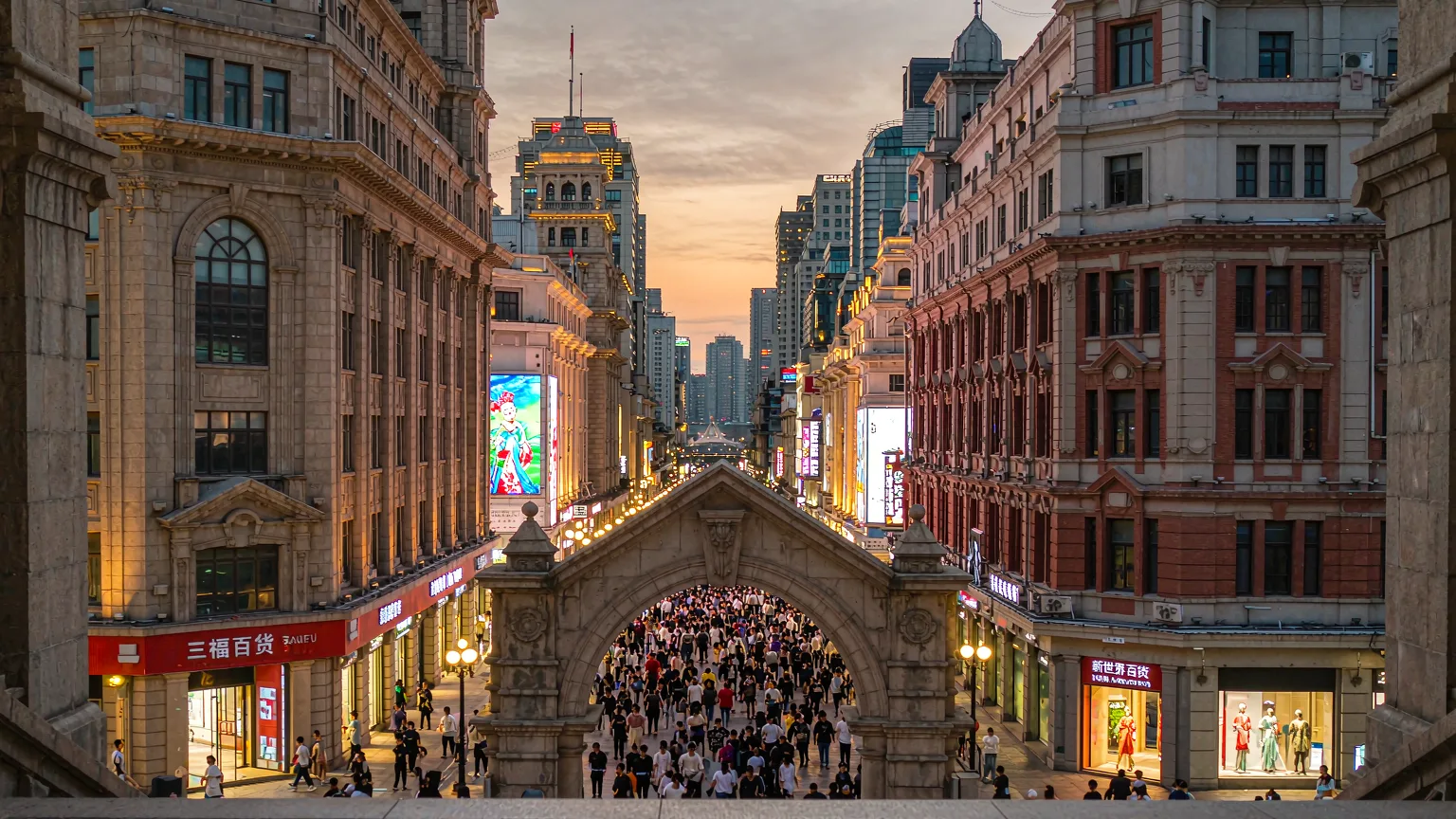
Itinerary at a glance
| 07:30 | Breakfast: The Morning Ritual of the Four Kings |
| 11:30 | Benbang Noon: The Textbook of Dark Sauce |
| 14:00 | Nanjing West Afternoon: Butterfly Pastry and Pork Pastries |
| 17:30 | Shengjian and Guotie: The City's Carbohydrate Peak |
| 20:00 | Wontons and the Midnight Close |
The route, stop by stop
Breakfast: The Morning Ritual of the Four Kings
Learn the ordering grammar at any residential breakfast shop: one flatbread, one dough stick, salty soy, the salty version laced with dried shrimp, seaweed, dough-stick crumble and scallion as it sets to custard, a form northerners cannot parse and Shanghainese cannot quit; the sweet-milk school pairs with the sticky roll, glutinous rice wrapped around dough stick, pickle and pork floss.
Standing, perching on the curb, walking and chewing, all correct postures. Five to ten yuan a head, a parallel universe in the city's price system.
Benbang Noon: The Textbook of Dark Sauce
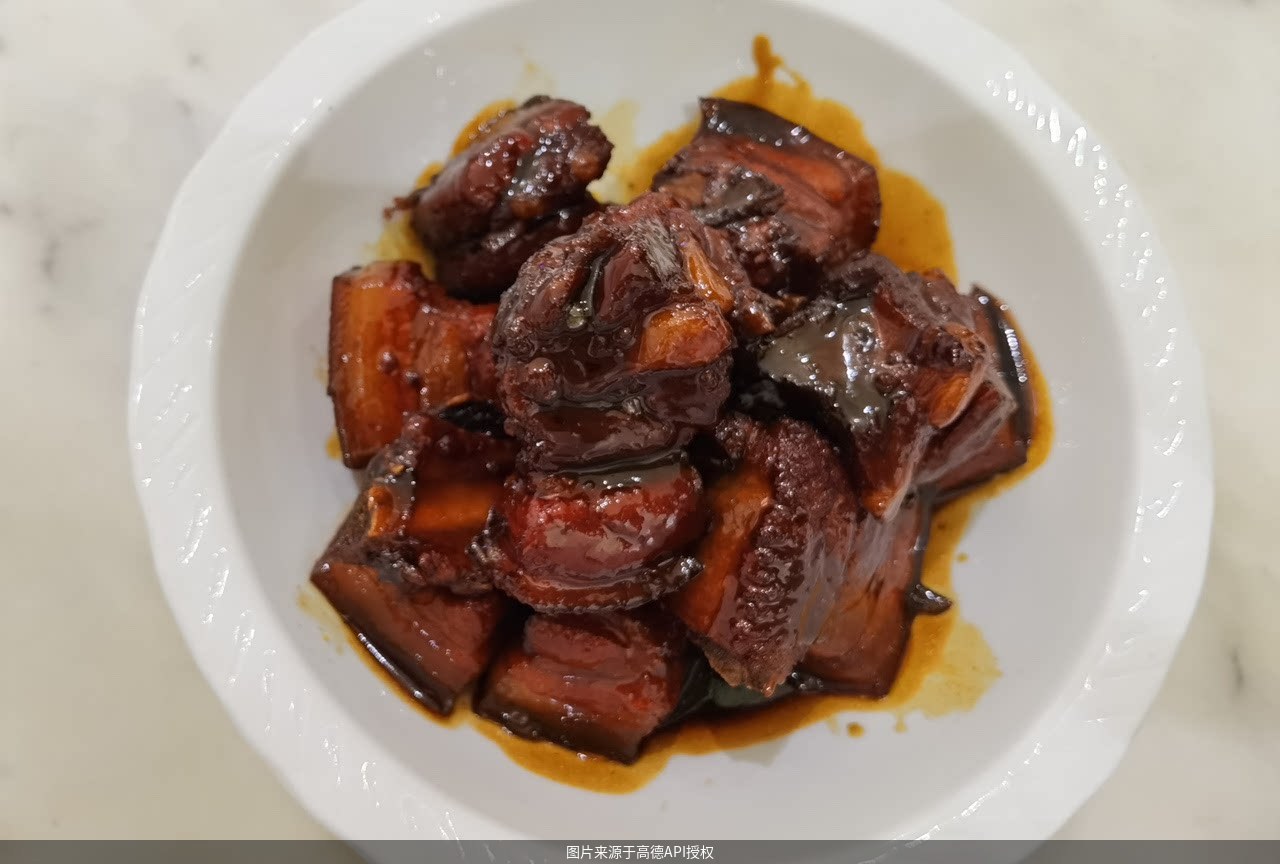
Benbang runs on red-braise for bone and seasonality for soul: the red-braised pork is mandatory, judged on the illusion of melting; wine-scented alfalfa with braised intestine; the spring-only yan du xian stew of salted and fresh pork with bamboo shoots; sweet crispy-shell fried river shrimp. Lanxin or Hai Jinzi on Jinxian, or the veterans on Yunnan South, are the exam papers.
Per table the formula is fixed: one braise, one river delicacy, one green, one soup, four dishes maximum, more and they quarrel. RMB 100-200 pp.
One ordering trap to avoid: the seasonal dishes live on the little chalkboard rather than the menu, and that is where the kitchen's real pride sits; ordering from the board beats any set list. Two diners should cap at three dishes and a soup, since portions here overshoot northern stomachs.
Nanjing West Afternoon: Butterfly Pastry and Pork Pastries
The afternoon pastry pilgrimage clusters on Nanjing West and Huaihai Middle: the butterfly pastry at the Park Hotel's bakery, queuing year-round with the freshest batch at two to four; Guangming Cun's pork pastries baked on the spot, the line wrapping the corner; almond slabs at the Harbin food factory.
Play it as an eating walk: minimum portions each, a pour-over or tea between stops. Pork pastries taste best within two hours of the oven, so eat one before you move.
Shengjian and Guotie: The City's Carbohydrate Peak
Dusk belongs to shengjian: Yang's as the chain benchmark, thin skin, crisp base, soupy; Da Hu Chun as the old-school mixed-dough camp, soupless but fragrant; and any nameless lane-front stall hiding a surprise. Technique: nibble a vent, sip the soup, dip in vinegar or don't, both schools defend their ground.
Pair with curry beef soup or the single-double tofu-vermicelli bowl, the official companion. RMB 20-35, the people's answer to dinner.
Timing matters with these pan-fried buns too: the crispiest bases come straight off, and when the cook splashes water and claps on the lid, that batch needs another six or seven minutes. Those who wait eat a different food altogether. Takeaway surrenders half the experience; eat in, as a matter of discipline.
Wontons and the Midnight Close
The day ends on small wontons: the chai-pan wonton, the old name for street wonton carts, skins sheer as gauze over seaweed and dried-shrimp broth, plus a tea egg. The temple quarter's veterans or a Jinxian small house both serve it, a dish whose point is ending the day with the smallest possible fullness.
Prefer to close on wine? Yongkang and Jinxian's bistro strip still hums past ten, craft and natural lists at first-tier standard. Shanghai's midnight is dignified, wontons on one hand, wine on the other.
| Getting around |
|
| Budget | Graze the day for 150-250 pp; one Benbang meal adds 100-250. |
| Best time | Year-round; breakfast stalls fold by 9:30, pork pastries bake in the afternoon, shengjian sells out after two at some houses. |
FAQs
Benbang runs sweet, what if it is not for me?
Benbang sweetness lifts umami rather than cloying, the pork's sugar living inside a salty-savory frame. Truly sensitive? Say less sugar when ordering, proper kitchens comply, and skip sweet-sour ribs where sugar leads. The shrimp, the stew and the fried river shrimp all sit within safe sweetness.
Which shengjian house is most authentic?
This question starts faction wars in Shanghai: Da Hu Chun loyalists hold the soupless mixed-dough tradition orthodox, Yang's camp holds the soupy clear-water evolution as the soul. Try both and pick a side. The nameless lane stalls swing wildest, with the highest landmine rate to match.
Is the butterfly pastry worth an hour's queue?
Half the queue is ritual: it genuinely delivers, butter fragrance and honest lamination, but thirty minutes is the ceiling, past an hour take the underrated understudy at the Harbin factory instead. Snacks belong to the walk, not to pilgrimage.
What if my stomach is sensitive or I avoid raw food?
Simply swap out anything raw or cold: Benbang food runs sweet and rich with no raw burden, pan-fried buns and wontons come straight from the pot, and the salty soy milk can become sweet or a fried rice cake. Carry your usual stomach remedies and finish with hot pu-erh. The real hazard here is not hygiene but grease, and one vegetable dish per table restores the balance.