
Shanghai's art map holds three heights: the Xuhui riverside belt, Long, West Bund, Tank; the classic-collection belt of People's Square and Pudong, the East Wing and the Pudong Museum of Art; and the district belt of Moganshan and Duolun, M50 and the culture-luminaries street. One height per day, moving from contemporary to classical to the park ecosystem.
Depth discipline: one major show a day, each belt's ceiling being two formal exhibits plus galleries, beyond which fatigue turns aesthetic. Nights belong to theater and the concert hall, art days need a second sense after dark. Spending on art days is elastic: permanent displays across the three belts run free to about a hundred yuan, while special and international shows ask 150 to 250 a ticket. Cap it at one special show per day and give the rest to permanent collections and free galleries, avoiding aesthetic fatigue and budget overrun together.
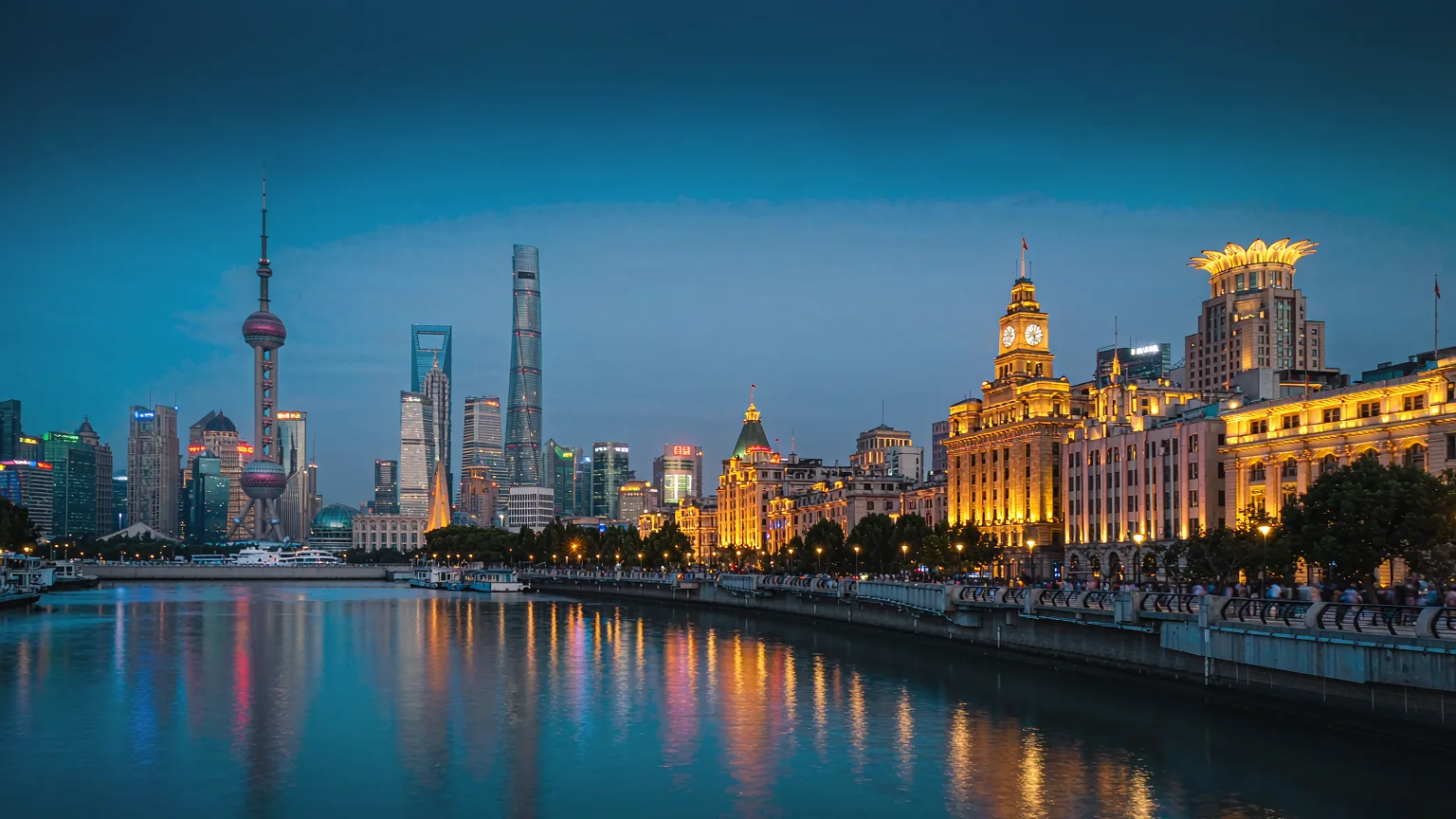
Itinerary at a glance
| DAY1 | Day One: The West Bund Belt |
| DAY2 | Day Two: The East Wing and Rockbund |
| DAY3 | Day Three: M50 and Duolun's Ecosystem |
The route, stop by stop
Day One: The West Bund Belt
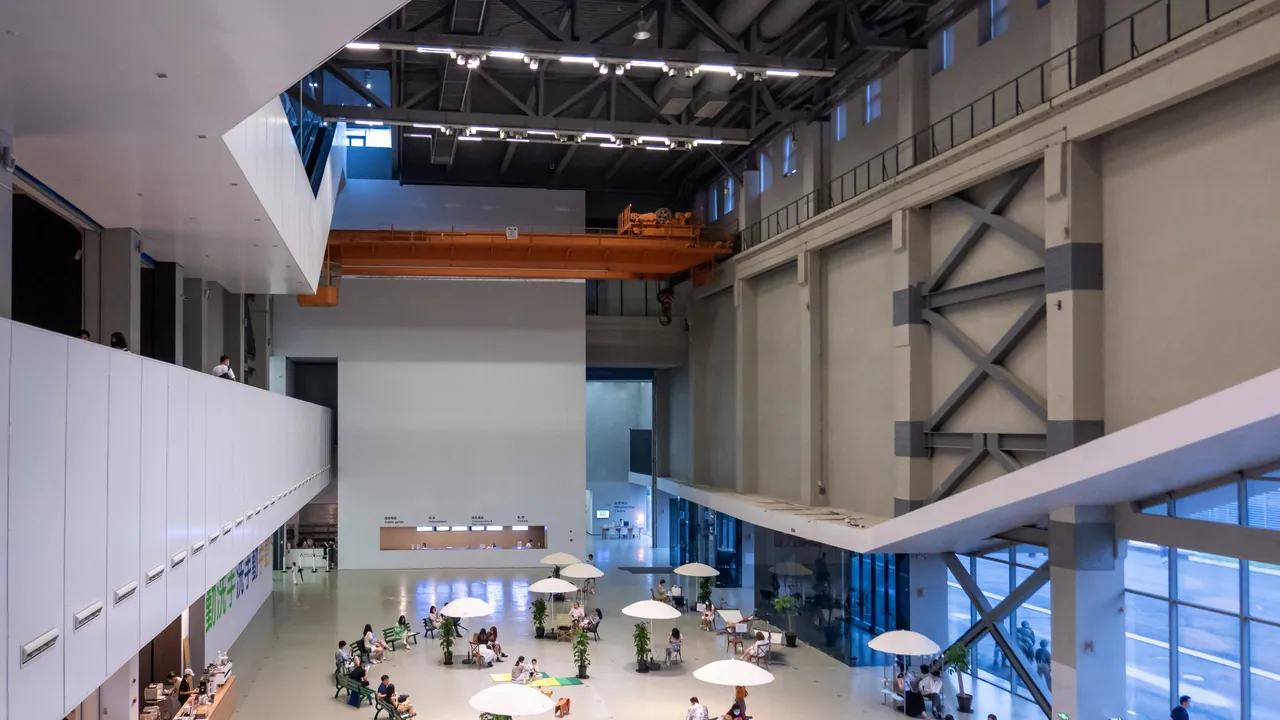
Morning at the West Bund Museum, Pompidou permanent plus special show; lunch at the riverside camp; afternoon at the Long, worth it for building and works both, and the Tank center, an industrial conversion; evening dissolves the art along the river path. Three halls is the belt's ceiling, two suits most.
West Bund listings refresh weekly, so check whether your dates fall on an opening week, crowded but eventful, or a closing week, quiet but partly stripped. The Tank's industrial spaces open even between shows, the vaults and pipework themselves a free exhibit; families can burn half the kids' battery on the lawn outside first.
Run the East Wing from heavy to light: the bronze and painting galleries first, then the city archaeology and furniture rooms as a cooldown, so your energy curve matches the density of the exhibits. The shop at the exit sells fridge magnets and bookmarks cast from the bronzes, the least clichéd souvenirs in the building at thirty to fifty yuan.
Day Two: The East Wing and Rockbund
Morning at the East Wing, bronze and painting, booked for the morning slot; transfer to Rockbund at noon; afternoon through the galleries and design shops of Rockbund, with the Rockbund Museum's contemporary shows nearby; dusk returns to the Bund promenade to re-run the old-versus-new gaze.
The day narrates civilization's two ends, a three-thousand-year ding in the morning, installation art in the afternoon, with Rockbund stitching the two timelines together.
The charm of Rockbund lies at its back: walk Yuanmingyuan Road and read the old buildings from the service alleys, where the exposed brick and delivery passages feel closer to their working past than any portico. The Rockbund Art Museum keeps a corner on its top floor with both banks of the river in view; take five minutes there between galleries and let the contemporary and the colonial swap places in a single breath.
The riverside afternoon hides a free highlight: the track north of the Long pairs joggers, wedding shoots and cargo ships in one view. The camp's eateries queue after two, so flip the order, museum first and a late lunch at three, which doubles as tea and suits the gallery rhythm better.
Day Three: M50 and Duolun's Ecosystem
Morning at M50 on Moganshan Road, galleries and working studios, mostly free, a look at the art ecosystem in motion; lunch near Changshou Road; afternoon on the Duolun culture street, the block of Lu Xun and the League of Left-Wing writers, with the old housing of Tian'ai and Shanyin roads made for strolling.
No ticket pressure makes this the loosest of the three days; the evening can close at 1933, the slaughterhouse-turned-creative-complex whose spiral ramps are a photo institution.
The right way through the M50 studios is to knock: any door marked as a studio may be pushed open, and working artists rarely mind a quiet viewer who greets them first. Discipline on buying: never decide on the spot; shoot the work and the card, check the artist's exhibition history that evening, and decide the next day, since no gallery here will mind the overnight.
One more way to pick the evening: Kunqu suits first-timers, the verses are poetry and the subtitles help; theater suits those fluent in local wit; the concert hall's architecture alone repays half an hour. All three sell through their own accounts, and same-day seats often open in the afternoon, so a spontaneous night works.
| Getting around |
|
| Budget | About RMB 600-1200 pp, swinging on special-exhibit tickets. |
| Best time | Year-round; check each hall's account for exhibit calendars, with the biennale season, November to March, densest. |
FAQs
Will this route confuse an art newcomer?
No, all three heights teach well: full Chinese narration at the West Bund and Pudong museums, audio guides at the East Wing, and M50's gallerists will happily talk all afternoon. The cure for confusion is questions, volunteers beating any guidebook.
Are special-exhibit tickets worth it?
By source: loans from major institutions, the Pompidou and Tate lineage, earn it, since such works rarely tour; the commercial viral shows warrant caution. The test is how many works on the list are here only now.
Can the order of the three art belts be swapped?
You can, but lead with the West Bund: it is the biggest lift, and contemporary art lands best when your legs and attention are fresh. The museum East Wing is indifferent to timing and works anywhere; the studio districts are the loosest and make a natural finale. The only hard constraints are closing days and exhibition calendars, so align the three belts' schedules before you go, which matters more than the order.
How do I choose between special shows and permanent collections?
Judge by irreplaceability: loans from the great international museums exist only for their run and top the list, and the museum's rotating paintings follow the same rule, what hangs now is what hangs. Commercial specials at the Long and the Tank vary widely, so read the curator and the reviews first. Permanent-only is a fully legitimate visit; the density of the three belts already outclasses many cities' paid shows.