
Seven days add two pieces to the five-day frame: day six punches deeper into the delta, West Lake and the canal in Hangzhou, or Lake Tai and Nianhuawan in Wuxi, and day seven returns to Shanghai for a depth close, Duolun, 1933, Sinan Mansions, the riverside nights the first six days skipped.
Choosing day six: first-time delta visitors take Hangzhou, West Lake's cultural density irreplaceable; Hangzhou veterans take Wuxi, the Zen town of Nianhuawan and the Grand Buddha as another Jiangnan. Both directions ride the rail inside an hour. Do the seven-day transport math as one account: high-speed rail toward Hangzhou or Wuxi and Suzhou adds about four hundred yuan, metro and taxis in town about three hundred, and the day-six crossing is the only variable to lock early. Keeping one hotel base for all seven nights is the line's other quiet advantage; day trips to Hangzhou or Wuxi mean never studying a second city's hotel map.
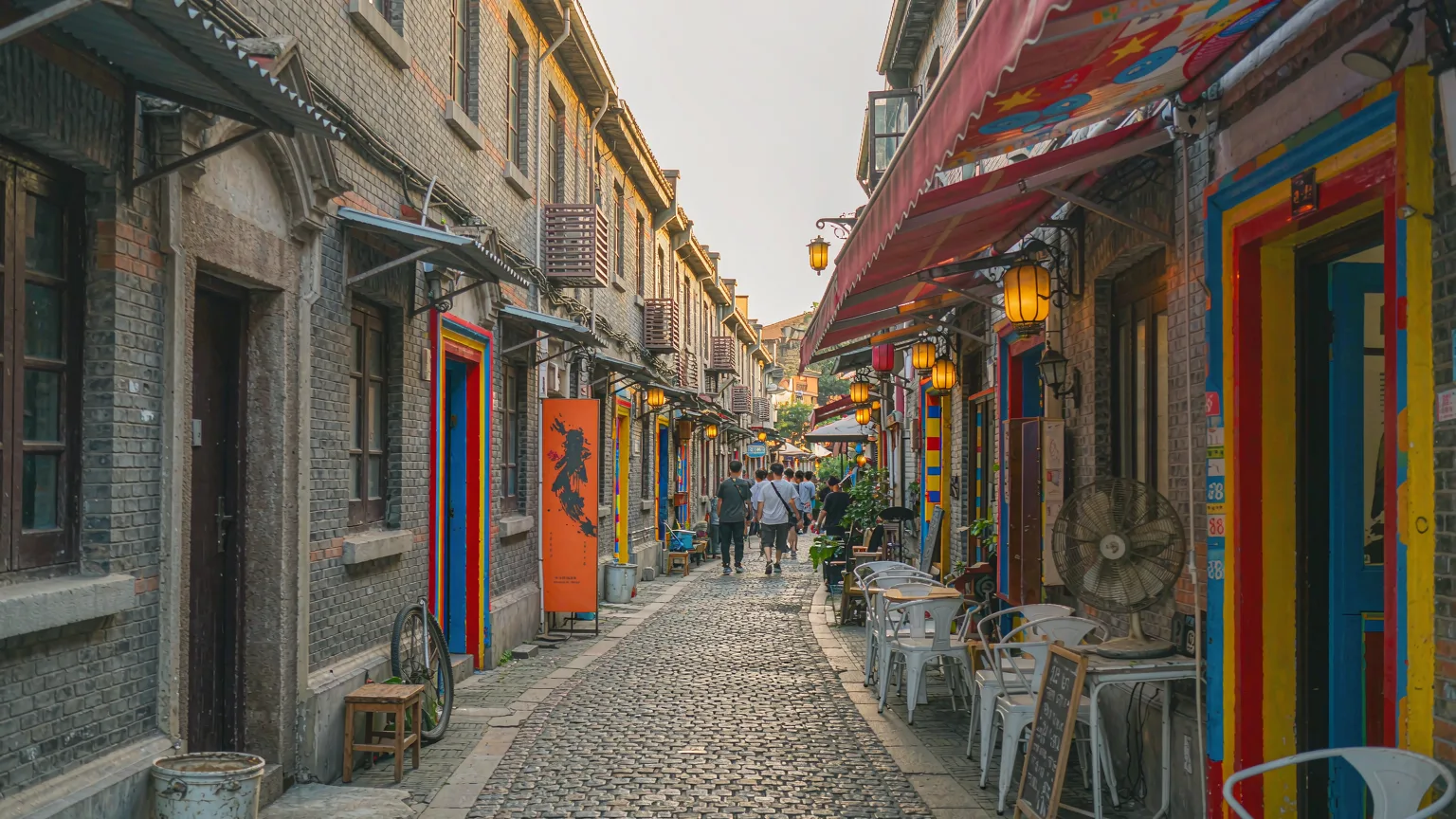
Itinerary at a glance
| DAY1-5 | Days One to Five: The Five-Day Frame |
| DAY6 | Day Six: Hangzhou, Lake plus Canal, or Wuxi |
| DAY7 | Day Seven: The Shanghai Depth Close |
The route, stop by stop
Days One to Five: The Five-Day Frame
The five-day frame executes unchanged. One adjustment: if day five's flex day went to Disney, whose step count tops twenty thousand, day seven's depth day softens to match.
Run the first five days to bank strength for the last two: treat both the Zhujiajiao day and the Suzhou day as half-day instruments and resist lingering. The real enemy of a seven-day frame is cumulative damage to your feet; ten minutes of stretching each night plus a spare pair of insoles will decide day seven more than any itinerary tuning.
The join between the first five days and the last two lives in luggage strategy: both day trips leave the big bags untouched, and the only homework is packing the next day's pack as one bottle, one snack and one power bank. Buy the day's water and fruit at breakfast; the Delta's convenience-store density makes the habit free.
Day Six: Hangzhou, Lake plus Canal, or Wuxi
Hangzhou: the early train to Hangzhou East, morning along the lake's Broken Bridge, Bai Causeway and Solitary Hill line on foot or share-bike, noon at Louwailou or Zhiweiguan for vinegar fish and Dongpo pork, afternoon on the Grand Canal's Gongchen Bridge stretch, the umbrella and blade museums free and fine, evening rail back.
Wuxi: Nianhuawan's Zen town, best late afternoon into dusk, plus the 88-meter bronze Grand Buddha, leaving after the evening lamp ceremony. The real question between the two is classical Jiangnan versus newly built Jiangnan.
On the Hangzhou day choose land or wheels: the Broken Bridge to Solitary Hill walk takes two hours on foot, or the lakeside sightseeing carts let you rest between segments for about thirty yuan; the lake is the same, the knees' bill is not. In the Wuxi version, Nianhuawan hits its best hours after four, the lantern-lit town a different product from the daytime one, so compress the Grand Buddha into the morning as a matter of discipline.
Set the crossing day's windows by rule: go before eight to own the destination's morning, and return no earlier than seven in the evening, leaving dusk and dinner intact. The taxi queue at Hangzhou East runs long at night, so prefer the last direct trains toward Shanghai over waiting in line for a cab.
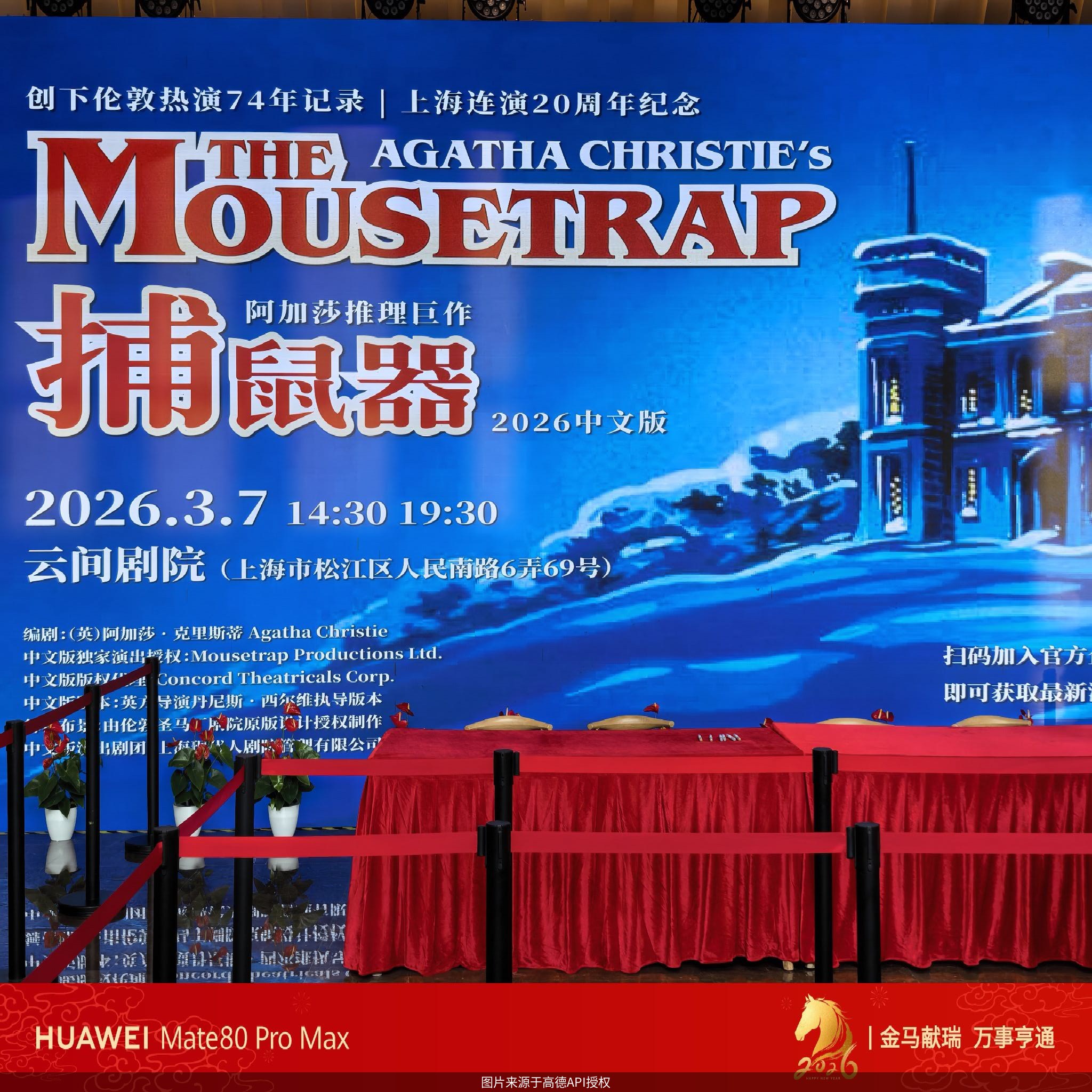
Day Seven: The Shanghai Depth Close
The last morning goes to the Hongkou triangle, Duolun's writers' street, the 1933 complex, Tian'ai Road and Lu Xun Park with its free memorial, the core of Shanghai's literary geography. The afternoon closes by taste, Sinan Mansions and Tianzifang for the concession's other face, or back to the riverbank museums for gaps.
Seven days build a complete picture: Shanghai is no island but the heart of a water-netted plain, every rail line an artery. You leave with more than city memory, a geographic puzzle completed.
Deliberately lower the intensity of the closing day: the Hongkou triangle is free throughout and walkable end to end, at a pace close to a stroll. Eat the final meal in Shanghai at one of the Benbang places missed earlier in the week; leaving a reason in the city's kitchens works better than leaving one at its sights.
The three stops of the closing day link up within forty minutes on foot and metro, and lunch at a small old-lane eatery near Tian'ai Road is the week's most local meal. Run the packing check as subtraction, half the food tossed and half the clothes unworn; what the case gains on the way home is books and maps.
| Getting around |
|
| Budget | About RMB 2200-3500 pp, excluding hotels. |
| Best time | Mar-May and Oct-Nov; day six's rail round-trip is the lightest of the trip. |
FAQs
Do seven days scatter the delta too thin?
No, because every day ends with going home, back to the Shanghai hotel: bags fixed, bed fixed, every expedition a light round-trip. The delta's rail density makes one-city-a-day cheaper than one-district-a-day in most cities. What scatters is attention, and guarding one major thing per day keeps it whole.
Do Hangzhou and Suzhou overlap?
The temperaments oppose: Suzhou is human craft perfected, gardens pulling nature inside walls, while Hangzhou is nature perfected, the lake setting a city inside landscape. Taking both, Suzhou on day four and Hangzhou on day six with a Shanghai day between absorbs the contrast.
How should the total seven-day budget be estimated?
A common range is 5,000 to 8,000 yuan a head excluding long-haul transport: seven hotel nights take half, cross-city rail adds about 400, entries sum near 600, and dining and shopping hold all the slack. The day-six round trip is the only real addition, and small if you return the same night. Cutting Disney from the flex day is the easiest saving, since a seven-day frame has no shortage of highlights.
Is the cross-city day trip too rushed as a round trip?
Both cities sit within an hour by rail, and an eight-to-nine framework covers the core, a stretch of the West Lake or the canal town plus the Grand Buddha. The test is night and dawn: if you only want daylight, a day trip holds; for the lantern-lit town or morning mist on the lake, stay one night, leaving bags at your Shanghai hotel and going overnight with a light pack.