
Shaoxing's shopping map has two poles: in-town local goods and cultural products, yellow wine, fennel beans, dried greens, black felt hats and Lu Xun motifs; and Keqiao, where the China Textile City ranks among the world's greatest fabric hubs, tens of thousands of stalls of nothing but cloth. This line takes half a day at each pole, a lively morning in the old town, an eye-opening afternoon in the textile city.
Three rules: check production dates and vacuum seals on foods, buying yellow wine bottled; buy cultural goods at official and museum stores to dodge mass-market lookalikes; and it is a myth that the fabric city never bargains, retail buyers of a few meters can negotiate mildly, just never demand wholesale rates.
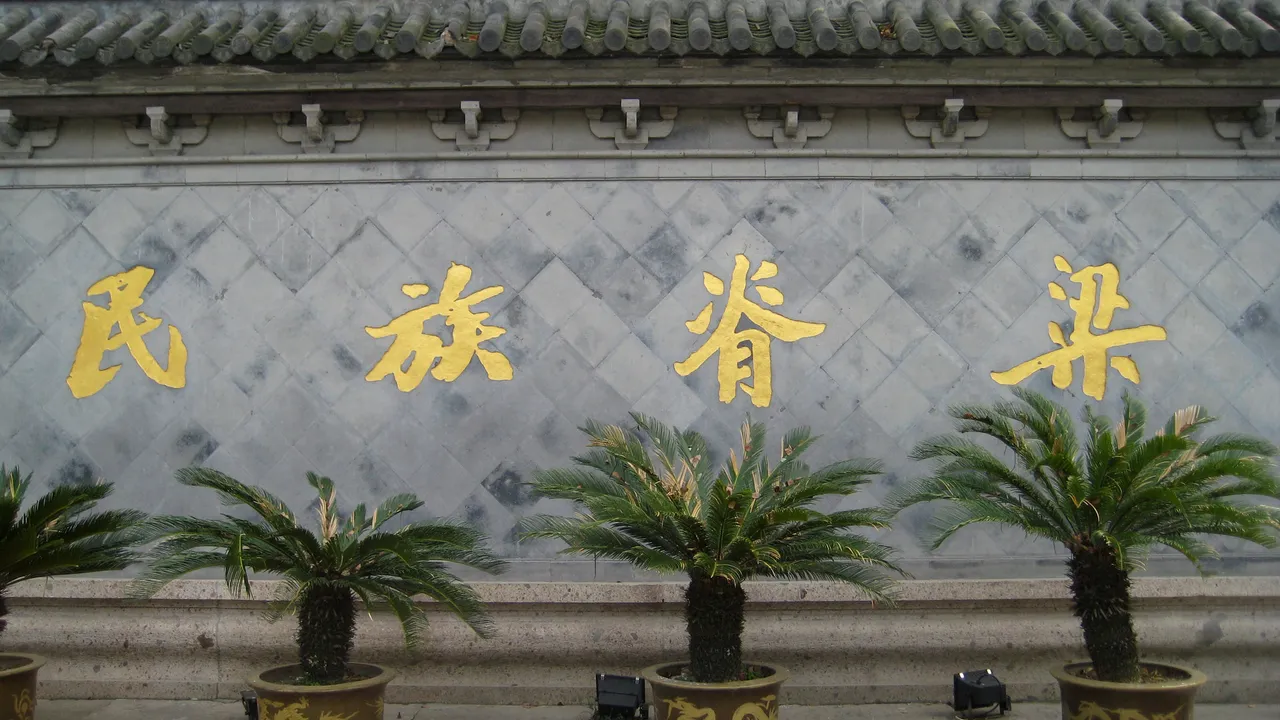
Itinerary at a glance
| 09:30 | Cangqiao Specialty Shops: Shaoxing in a Suitcase |
| 11:30 | Hometown Cultural Goods: From Dawn Blossoms to Fridge Magnets |
| 14:00 | China Textile City: The Most Cloth on Earth in One Place |
| 17:30 | Keqiao Old Town and Guazhu Lake: Closing a Shopping Day on Water |
The route, stop by stop
Cangqiao Specialty Shops: Shaoxing in a Suitcase
Morning is the street's most efficient hour. The souvenir list sorts three ways: drinkable yellow wine (bottled tailao or shanniang, under 500 milliliters for travel), edible fennel beans, dried greens and fragrant cakes, wearable black felt hats (more photogenic than practical, yet a true Shaoxing sign). Wine shops offer tastings, and dried greens should look dry, black and glossy.
Wine ice cream and wine milk tea are instant souvenirs, bought and eaten on the spot. The sauce garden's loose soy and fermented tofu gift well to friends who cook, plain packaging over hard content.
Hometown Cultural Goods: From Dawn Blossoms to Fridge Magnets
Before noon, move to the cultural shops around Lu Xun's hometown. The official store's Lu Xun goods are serious: bookmarks, canvas bags, oil-paper umbrellas and stationery themed on the garden and study essay, mostly RMB 15-150. The Xianheng food shop's fennel beans and wine gift boxes make the most formal gift pairing.
The shop opposite Shen's Garden leans poetic and garden motifs, the two styles complementing. Stationery for children carries the best value, while wine needs boxed shock-proof packing for safe checked travel.
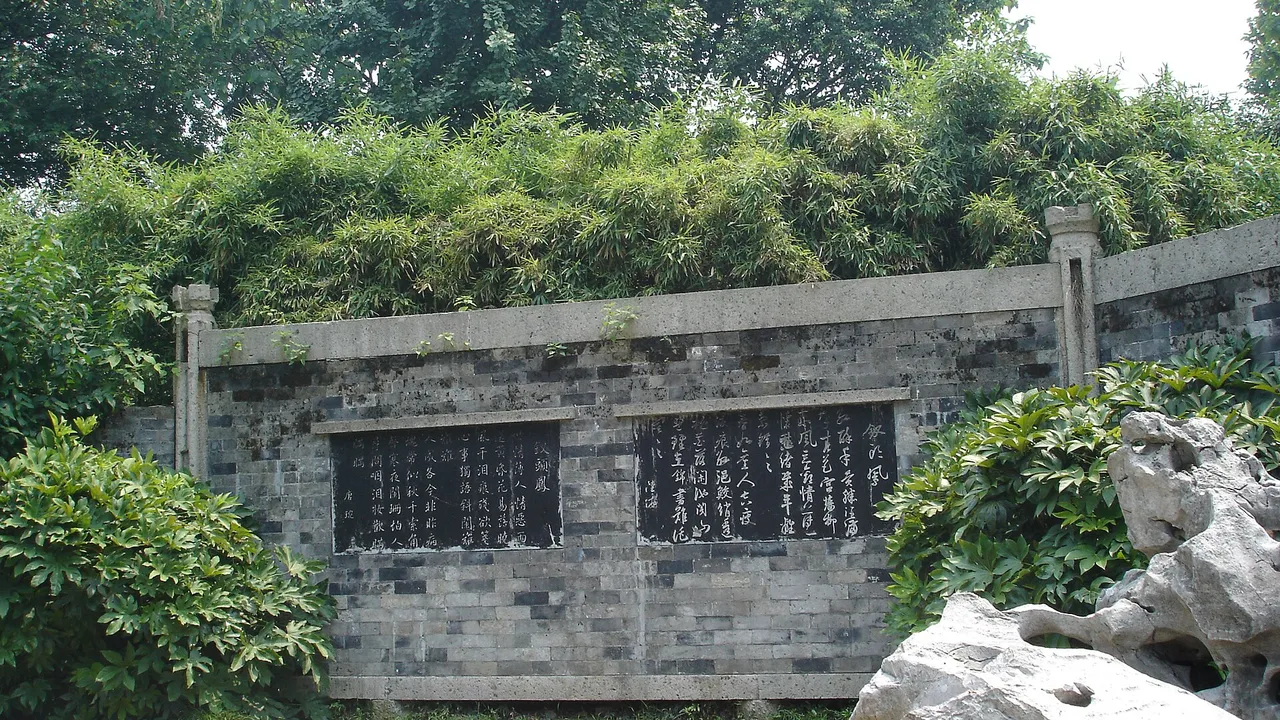
China Textile City: The Most Cloth on Earth in One Place
Afternoon rides line 1 to Keqiao and enters the Textile City. Tens of thousands of stalls sort by market: curtain cloth, apparel fabric, home textiles and raw stock in districts standing like forests, two streets enough to feel the claim that one of every four meters of cloth worldwide touches Keqiao. Casual visitors browse spectacle and hunt remnant pieces, with clearance zones selling a few yuan a meter.
Retail cloth lives in the walk-in zones: two meters makes a tablecloth or bag, cheaper and better-feeling than mall goods. Designers and buyers could not exhaust it in a day; two hours suits a visitor just right.
Keqiao Old Town and Guazhu Lake: Closing a Shopping Day on Water
Evening walks or rides one stop from the textile city to Keqiao old town, the restored canal quarter keeping commerce restrained, riverside lanterns and stone bridges at their dusk best, with a stretch of the ancient towpath nearby, the flagstone road where trackers hauled boats, rare anywhere.
Dinner solves in the quarter, Keqiao prices a touch below Yuecheng. Run the shopping day's final inventory here: sealed food, padded wine, rolled cloth, then back to the hotel content. Guazhu Lake's night fountain (seasonal) works as the encore.
| Getting around |
|
| Budget | Souvenirs assemble for RMB 150-350 pp; fabric prices by the meter with its own budget; meals RMB 80-120. |
| Best time | Any season; the fabric market rests on weekends when most traders close, so buy cloth on weekdays; specialty shops restock freshest in the morning. |
FAQs
What souvenirs best represent Shaoxing?
The top three are beyond dispute: bottled yellow wine (shanniang or tailao), fennel beans and dried greens. Advanced picks: black felt hats, oil-paper umbrellas, Lu Xun cultural goods and vacuum-packed Anchang sausage. Within RMB 200 you can cover drinking, eating, wearing and viewing. Avoid unlabeled loose wine roadside and antiques outside scenic gates, Shaoxing being no antique hub.
Any rules on carrying yellow wine?
Domestic flights generally check two bottles under twenty-four percent alcohol per airline rules, and yellow wine sits at fifteen to twenty, so checked travel works with shock-proof packing; rail and metro limits run looser. International flights obey destination customs, most countries capping alcohol and declaring above duty-free. Glass bottles beat pretty but fragile ceramic jars.
Do the textile city and Keqiao old town charge? How do markets admit?
All free: the textile city's markets stand open-door for 漫步-ins with signs to the retail zones, and Keqiao old town with the ancient towpath opens free too. The markets are working premises, so ask traders before photographing and never block aisles with bolt rolls; many traders rest on weekends, so buy cloth on weekdays.
What is the easiest way from Yuecheng to the Keqiao textile city?
Metro line 1 runs direct, about thirty minutes from City Square into the Keqiao section, then a short 漫步 or one bus stop to the markets. Never haul cloth while browsing: couriers cluster around the markets to pack and ship home. Catching a train after? Keqiao station sits on the line, so a shopping day can route without doubling back to Yuecheng.