
Three days in Shaoxing trace a triple identity: the city of the writer Lu Xun, the city of Wang Xizhi and the Orchid Pavilion, and the city of legal secretaries and scholars. Day one builds cognition at the hometown and Shen's Garden, day two walks four free quarters into the living old town, day three pulls the historical lens wide at the Orchid Pavilion and Yu's mausoleum, closing on Anchang's smoke and fire.
The pace runs tight then loose: day one's sights carry booking rigidity, days two and three stay elastic. Pin all three nights near City Square in Yuecheng, each day walking plus one metro hop or ride. Boats slot into day two's afternoon at East Lake or the hometown stretch, and two yellow-wine dinners are not one too many.
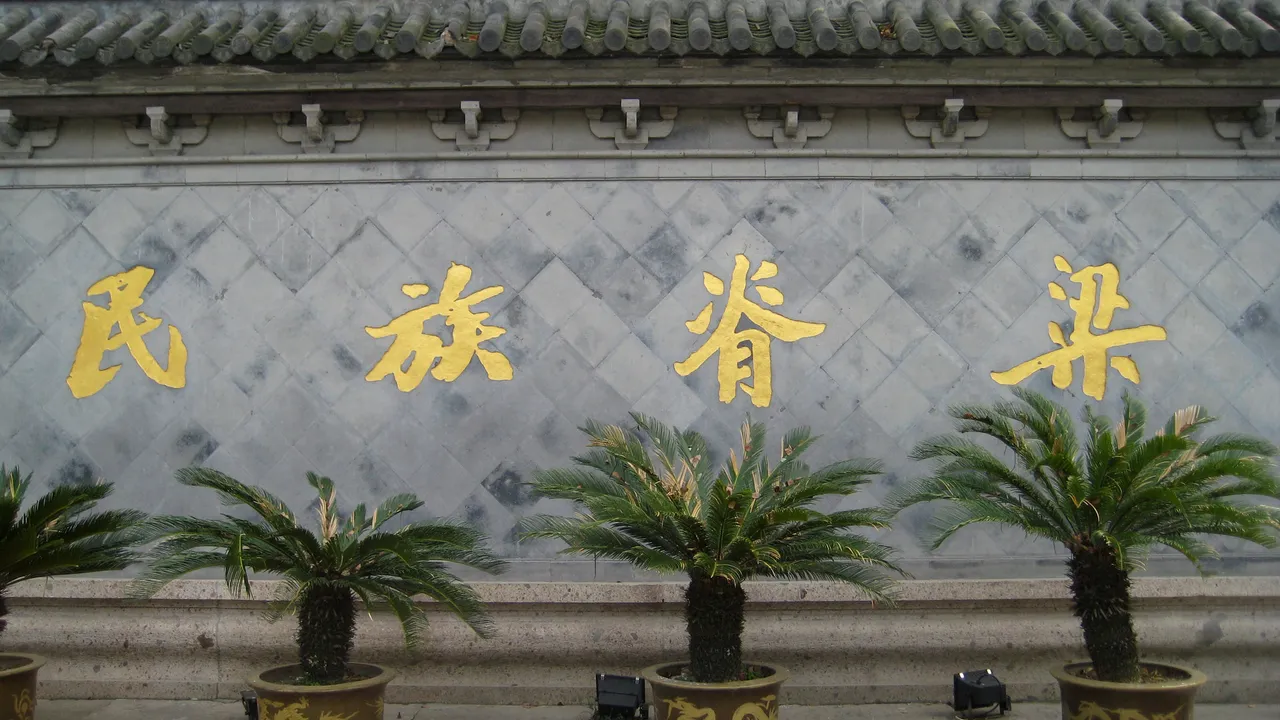
Itinerary at a glance
| 第1天 09:00 | Lu Xun's Hometown: From Baicao Garden to the Three-Flavor Study |
| 第1天 11:30 | Lunch at Xianheng: Fennel Beans and Aged Wine |
| 第1天 14:00 | Shen's Garden: The Verses by Daylight |
| 第1天 19:30 | Shen Garden Night: The Salon under Lanterns |
| 第2天 08:30 | The Sage's Quarter: Tishan Bridge and Bifei Lane |
| 第2天 11:00 | The Eight-Character Bridge: The Song Water Town's Origin |
| 第2天 14:00 | East Lake: Boats under Quarry Cliffs |
| 第2天 16:30 | The Green Vine Studio: Xu Wei's Small Courtyard |
| 第3天 09:00 | The Orchid Pavilion: Calligraphy's Ancestral Ground |
| 第3天 13:30 | Yu's Mausoleum or Anchang: Choose Depth, Then Merge |
The route, stop by stop
Lu Xun's Hometown: From Baicao Garden to the Three-Flavor Study
Open the three days at the hometown, entering at gate-opening. The residence, garden, study and memorial hall chain in two hours, every textbook memory landing on ground. Boat wharf and Xianheng sit in the exit's walking circle.
Lunch the literary lunch at Xianheng: fennel beans, three-fresh stew, aged yellow wine. Then a hotel nap or a stroll, banking evening energy for the Shen Garden night show.
Lunch at Xianheng: Fennel Beans and Aged Wine
Noon returns to the Xianheng corner on Luxun road, Kong Yiji's bronze seated at the door. Inside, the old-style layout holds: fennel beans, a plate of stinky tofu, a bowl of three-fresh stew and a warmed pot of aged wine, the textbook Shaoxing lunch. The beans run firm outside, soft within, made for the wine.
The wine-averse order yellow-wine ice cream or milk tea. Sixty to a hundred yuan a head, modest portions at full ceremony, and Shen's Garden waits three minutes from the door, the afternoon chaining seamlessly.
Shen's Garden: The Verses by Daylight
Shen's Garden's weight rests on one heartbreak: Lu You and Tang Wan met again here, he inscribing the Phoenix Hairpin verses on the wall, their paired reply stanzas peak tenderness. The verse stele is the core, with the Song well, Lone Crane pavilion and gourd pool mixing Song survivals with Qing landscaping.
The garden is small, two circuits an hour. Read the verses once before viewing the stele; the moment words and ground align beats any guide.
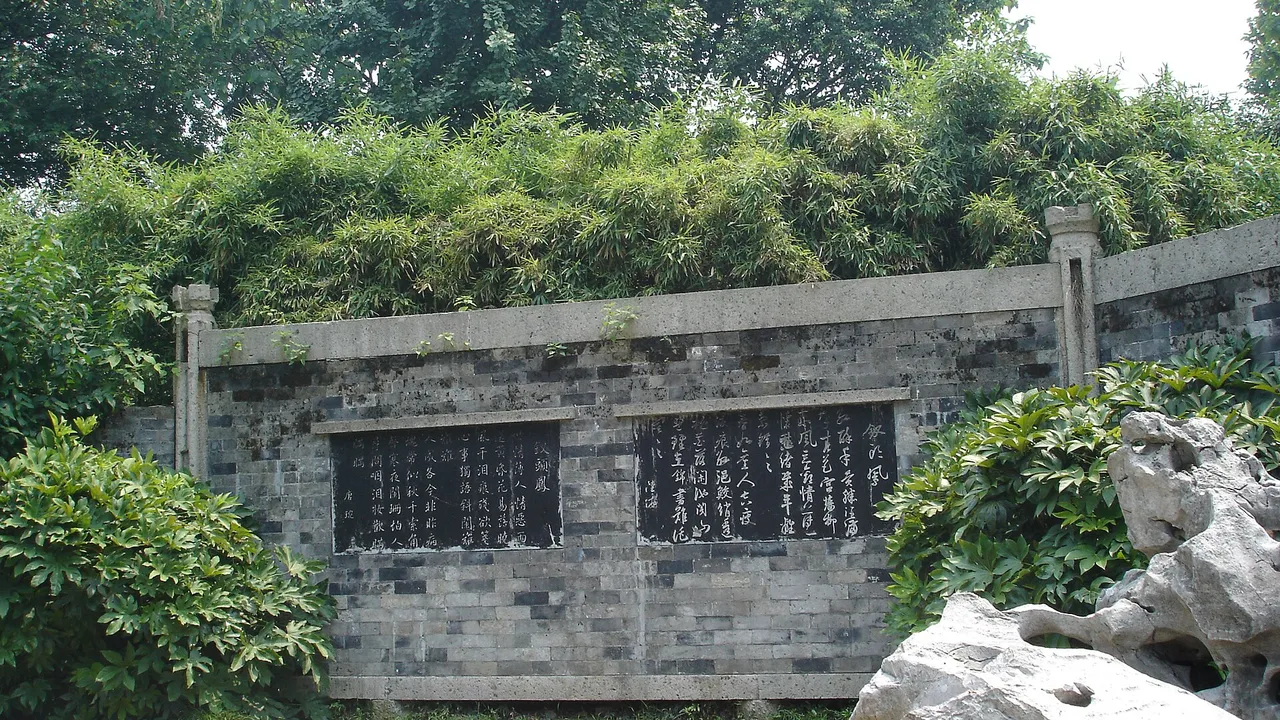
Shen Garden Night: The Salon under Lanterns
Night turns the garden into another place: lanterns lighting across the water as the salon stage opens, Yue opera and lotus ballads singing Lu You and Tang Wan back into their own grounds. About an hour, with the canal walk home showing stone bridges at their evening best.
No opera literacy required; the staging and lanterns alone footnote the Shaoxing night. Rain cancels the show, so never hard-pin the evening, with the lit lanes of Cangqiao as the fallback.
The Sage's Quarter: Tishan Bridge and Bifei Lane
The Sage of Calligraphy's quarter holds Wang Xizhi's former home, near-empty at dawn, Tishan bridge swept by street cleaners alone. Legend says the sage brushed characters for an old fan-seller, naming the bridge; Bifei lane's tale runs wilder, the sage hurling his brush skyward, its landing carving the lane.
Cai Yuanpei's former residence opens free inside, and the Jiezhu temple stands as the incarnation of Wang's home. Calligraphy rubbings line the riverside walls to spot as you walk, with stall soy milk and rice balls at the lane mouth eaten standing, starting the morning right.
The Eight-Character Bridge: The Song Water Town's Origin
Ten minutes by car from the Sage's quarter stands the Eight-Character Bridge, a Southern Song pair of spans facing each other in the shape of the character, its steps polished soft by eight centuries of feet. From the top, dark tiles and black-awning boats line both banks, the city's least commercial water-town frame.
The old residential quarter beside it lives on, shopping, scrubbing, chess at the door. Landscape lamps come on after dark, though dusk's natural light photographs best; hailing near the bridge is hard, so book the ride back from the lane mouth.
East Lake: Boats under Quarry Cliffs
Afternoon goes to East Lake, a quarry since Han times with half a mountain cut into the water, cliffs plunging tens of meters, black-awning boats threading the flooded caverns with rock strata inches overhead, and the leg-rowing boatmen a Shaoxing monopoly.
Ashore, walk the clifftop path to look down into the boat caves, a wholly different read from looking up inside. The lake is compact, two unhurried hours, with camera rain-proofing remembered.
The Green Vine Studio: Xu Wei's Small Courtyard
Back in town, the Green Vine Studio: Xu Wei, the hardest man to classify in Ming art, superb in poetry, painting, calligraphy and drama yet poor and broken all his life. Two small courtyards, white walls, the sky pool and the four-century vine turn the plaque's phrase, not one grain of dust arrives, into something physical.
Tiny as it is, forty minutes here reward slowness: banana and pomegranate shadows on the white wall are the very compositions of his paintings. A few-yuan ticket, superb panels, and the lineage of literati painting comes into focus on the way out.
The Orchid Pavilion: Calligraphy's Ancestral Ground
Day three's morning reaches the pavilion, twenty minutes by car. Two to three hours over the floating-cup pavilion, goose pool and calligraphy museum, with the activity area's winding-stream game worth playing by hand. That Yonghe gathering is the key to literati aesthetics.
Simple lunch near the site or back in town, the afternoon splitting by interest.
Yu's Mausoleum or Anchang: Choose Depth, Then Merge
The afternoon forks: history minds take Yu's mausoleum, the ritual layout below Mount Kuaiji and the mid-slope look-back; smoke-and-fire minds take Anchang, cured meats, pulled sugar and the legal-secretary museum. Both sit within half an hour's drive, exclusive but not conflicting.
Choose Anchang and eat sausage supper in town before returning; choose the mausoleum and close at Cangqiao Street back in the city. Here the three days merge: literature, calligraphy, secretaries and street life, each in its place.
| Getting around |
|
| Budget | Three days of tickets total about RMB 150-220 pp, meals RMB 250-400, transport RMB 100-200. |
| Best time | Mar-May and Sep-Nov best; the hometown is free but booked, two or three days ahead in season; the Shen Garden night show cancels in rain, so never hard-pin it. |
FAQs
Are three days enough for Shaoxing?
For most, exactly right: core sights and quarters covered without fatigue. To deepen, two extensions: give East Lake and the pavilion half days each for four days, or push south to Zhuji's Wuxie and Xinchang's Great Buddha for five. High density, small area, so greed easily turns treasures into checklist ticks.
When do the three days need taxis or a hire?
Day one is metro plus 漫步ing throughout; day two taxis between East Lake and the quarters, every leg under fifteen minutes; day three's pavilion lacks metro, about twenty minutes by car, and with Anchang in the afternoon a half-day hire chaining both costs close to two long taxis while freeing all waiting time.
Which bookings need advance work?
One hard item: the hometown, free but real-name booked, camped two or three days ahead in season and holidays. Shen's Garden and the pavilion sell on site, with night-show tickets worth a day's lead in peak. Hires and popular guesthouses deserve two days in autumn. Everything else stays flexible.
How should meals be planned across three days?
Three proper meals, three street-snack sessions: the literary lunch at Xianheng, one yellow-wine dinner with drunken chicken and dregs goods, Anchang's sausage midday meal, other slots going to fresh street food on Cangqiao and the old lanes. Yellow wine once daily, capped, and the braised pork and three-fresh stew may repeat, Shaoxing's safe baseline.