
One day in Shennongjia demands triage: the forest district is vast enough that two parks fill a day. This line answers with one mountain and one lake: morning at Shennong Peak, from the golden monkeys of Xiaolongtan to the lookout on the Roof of Central China; afternoon over the ridge into Dajiuhu, waiting out a possible mist or sunset on the wetland boardwalk.
Muyu town anchors the route at twelve hundred meters of altitude, cool mornings and evenings with sharp midday sun, so dress in three layers. Park shuttles will accumulate two to three hours of riding; carry ginger against motion sickness and a spare camera battery.
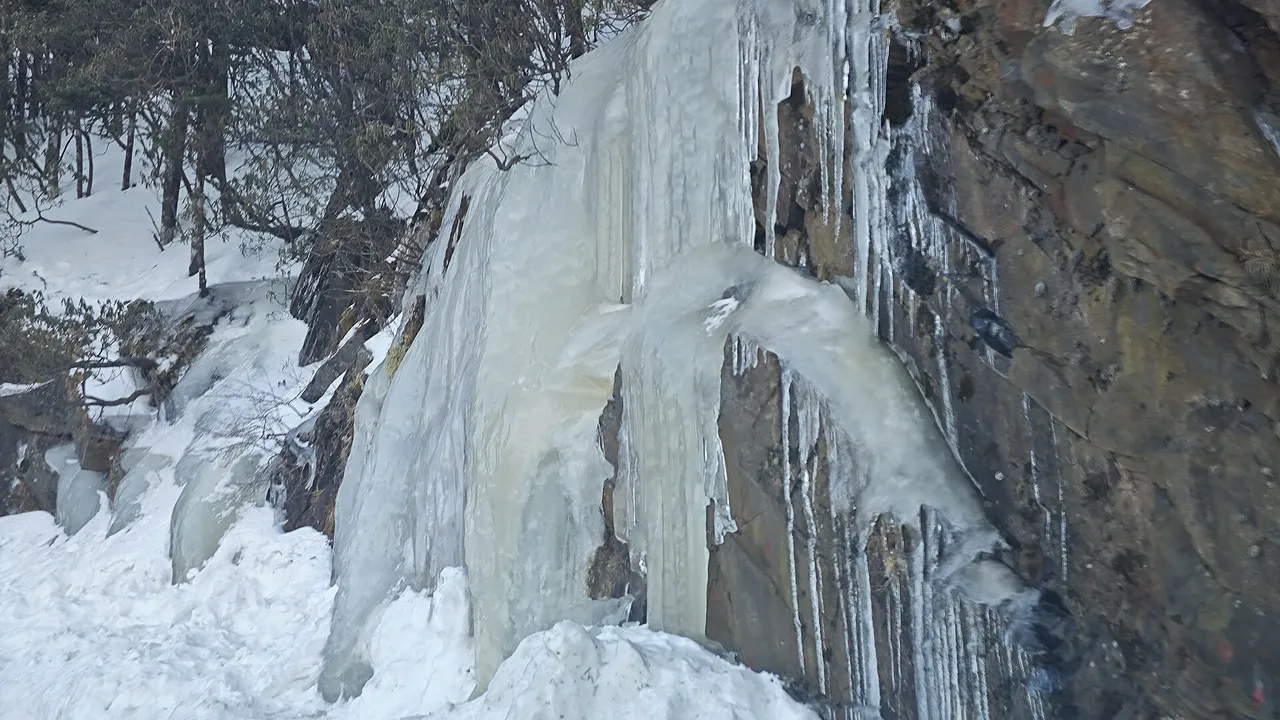
Itinerary at a glance
| 07:30 | Xiaolongtan, Shennong Peak: Coming Face to Face with Golden Monkeys |
| 09:30 | Shennong Valley and the Roof of Central China: Walking Above Clouds at 3,100 Meters |
| 13:30 | Dajiuhu: Wetland, Deer and Clouds on the Water |
| 19:00 | Muyu Town: Dinner After Twenty Thousand Steps |
The route, stop by stop
Xiaolongtan, Shennong Peak: Coming Face to Face with Golden Monkeys
The Shennongjia golden monkey, a first-class state-protected species, is the forest's most famous resident. Xiaolongtan houses a rescue station and science hall, with rescued troops ranging a fixed area; arrive early and you often catch them leaping and feeding among the firs, blue faces and golden fur at their best in morning light.
For wild troops at scale, the Dalongtan research base requires advance booking with openings that shift; call to confirm before setting out. Ten minutes in the science hall on monkey social structure pays off: once you know the family and all-male units, the troop overhead reads twice as rich.
Shennong Valley and the Roof of Central China: Walking Above Clouds at 3,100 Meters
Shennong Peak tops out at 3,106 meters, the highest point of central China, and the lookout area wears the title Roof of Central China. The Shennong Valley loop rides the cliff line, and when a cloud sea boils up from below you walk above the clouds, Shennongjia's most classic frame.
The full loop takes two to three hours; short on time, walk a stretch from the viewpoint and turn back. Altitude hits people differently: slow your pace, drink often, and descend at once if anything feels wrong.
Dajiuhu: Wetland, Deer and Clouds on the Water
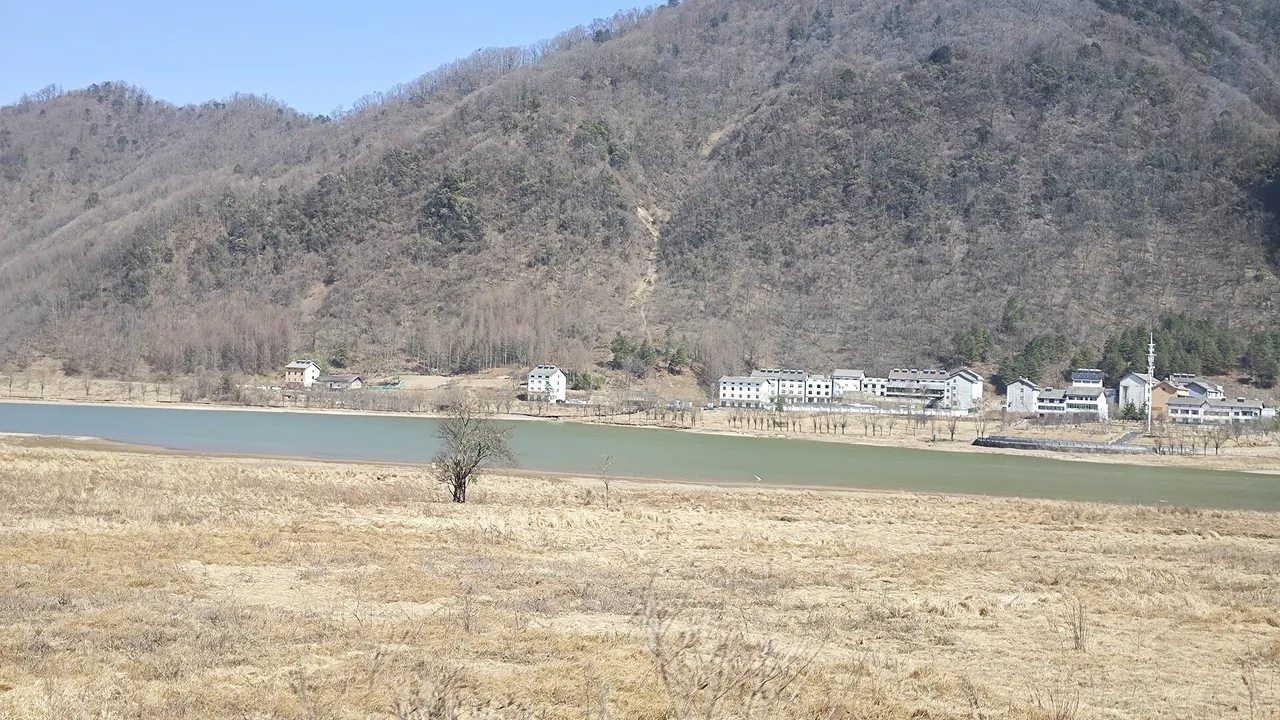
Over the ridge lies Dajiuhu, a high wetland strung from nine lakes, its boardwalk threading meadow and peat moss while the water folds in both clouds and mountains. The deer park holds sika deer at close range; buy feed at the gate, and the crowd of deer that gathers is the day's surest hit with children.
Afternoon light warms the wetland, and the water goes mirror-calm around four or five. Hop between lakes by shuttle, with Lake Five and the Shizi Bao stretch as the classic angles.
Muyu Town: Dinner After Twenty Thousand Steps
Back in Muyu right on time for dinner. This tourism town at twelve hundred meters is Shennongjia's hub, restaurants clustering on the main street with rock-ear stewed chicken, fermented-corn cured pork and highland potatoes as the fixed trio.
The day-night temperature swing is wide, so layer up for the after-dinner stroll. If tomorrow climbs again, restock trail food and water at town shops tonight, far cheaper than inside the parks.
| Getting around |
|
| Budget | Entry and shuttles for Shennong Peak plus Dajiuhu run about RMB 250-300 pp, meals around RMB 100, with charter or ride-share extra. |
| Best time | Jun-Oct runs steadiest; Dajiuhu's morning mist is luck-dependent, and summer afternoons bring thunderstorms to Shennong Peak, so the plan stacks mountain before water. |
FAQs
Can one day really cover both Shennong Peak and Dajiuhu?
Yes, by trimming: walk only the out-and-back near the Shennong Valley viewpoint and spend the savings on three of Dajiuhu's lakes. If the full valley loop is non-negotiable, drop the deer park. The leg between parks runs about an hour, so chartering is the only way this pace holds.
Are golden monkeys guaranteed, and where are the best odds?
The Xiaolongtan rescue troops are stable year-round and the surest bet; the wild troops at Dalongtan need booking and bend to weather and research schedules, with no open guarantee. Wild sightings are luck, though watching canopy movement and stripped-branch signs improves the odds.
Will 3,000-plus meters cause altitude sickness, and can kids and seniors go?
The lookout area sits near 2,900 meters and most people feel only mild shortness of breath, manageable at a slow pace. Those with cardiovascular conditions and infants should stay at lower zones like Xiaolongtan and Taiziya. Everyone should skip strenuous effort on arrival day and descend immediately at headache or vomiting.
How do I catch Dajiuhu's morning mist?
Mist needs both an overnight in Pingqian or the park and entry before sunrise, which this one-day afternoon visit cannot offer, though evening light and reflections compensate. Treat the mist as a reason for a second visit; the dedicated dawn trip rarely misses.