
Three days is Shennongjia's full length: day one runs the Shennong Peak line end to end, from Xiaolongtan's golden monkeys to the fir woods of Taiziya; day two enters Dajiuhu before dawn for the mist and rides up to Tianyan's cloud sea and rainbow bridge in the afternoon; day three returns to the Muyu orbit, closing the nature run on Tiansheng Bridge, the Shennong Altar and Guanmenshan's cultural undertone.
Lodging design matters here: night one in Pingqian, the gateway to Dajiuhu, night two back in Muyu, bags packed once and moved twice. The six-park pass saves a real sum over singles, and a three-day trip uses it perfectly.
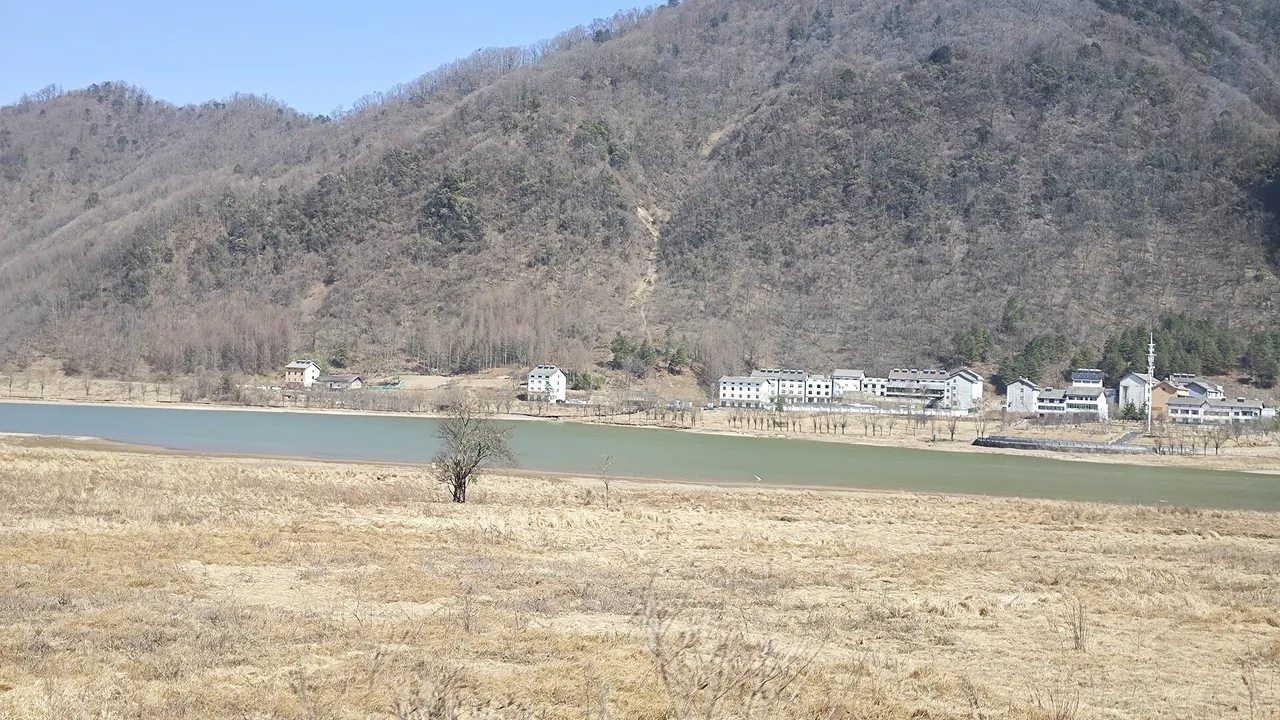
Itinerary at a glance
| 07:30 | Xiaolongtan: The Golden Monkeys Open the Show |
| 09:30 | Shennong Valley: Cliff Boardwalk and Cloud Sea |
| 13:00 | The Roof of Central China Lookout: A Footnote at 3,100 Meters |
| 15:00 | Taiziya: A Quiet Path Through the Firs |
| 06:00 | Dajiuhu: Dawn Mist Stars Day Two |
| 11:30 | Hongping Gallery: A Gorge Scroll Along the Highway |
| 13:30 | Tianyan: Swallow Cliff, the Rainbow Bridge and Cloud Sea |
| 09:00 | Tiansheng Bridge: Falls and Craft in the Ba Gorge |
| 11:00 | Shennong Altar: The Culture Landing of Three Days |
| 13:30 | Guanmenshan: Completing Three Days of Natural History |
The route, stop by stop
Xiaolongtan: The Golden Monkeys Open the Show
The first morning starts at Xiaolongtan. Rescue-station troops range the firs, golden fur brightest in slanted early light. Ten minutes in the science hall, then the living troop reads double.
For wild-troop viewing at Dalongtan, phone a day or two ahead to book; same-day requests mostly fail.
Shennong Valley: Cliff Boardwalk and Cloud Sea
The Shennong Valley loop runs about four hours, the trip's biggest physical ask. The boardwalk rides the cliff face, and when cloud boils through the U-shaped valley the walk-above-clouds frame lies at your feet. Mid-route viewpoints make honest turnback points.
Altitude eases at a slow pace; carry water and chocolate for fuel.
The Roof of Central China Lookout: A Footnote at 3,100 Meters
The lookout area commands the highest vantage of central China, and on clear days the ranges roll to the horizon like frozen waves. No walking required, twenty minutes at the platform suffice, the trip's easiest highlight.
The arrow bamboo and firs by the tower are the monkeys' home before their winter descent; the continuity of the ecosystem reads plainly here.
Taiziya: A Quiet Path Through the Firs
The day's last leg is Taiziya, a gentle loop through old-growth fir and arrow bamboo, its name tied to the legend of Emperor Zhongzong's exile in nearby Fangzhou. June azaleas and October foliage are the two high seasons.
Forty minutes to an hour with almost no climb, the perfect closing tempo. Descend to Pingqian for the night.
Dajiuhu: Dawn Mist Stars Day Two
Day two's heart is the early hour. Around sunrise Dajiuhu's water floats thin mist while deer graze the meadow's edge, reflections and fog composing Shennongjia's most famous frame. The transfer center's first shuttle meets the sunrise, which is why Pingqian lodging matters.
Walk three or four lakes along the boardwalk through the morning, Lake Five's platform holding the best view. By ten the mist burns off and light hardens, the cue to move on.
Hongping Gallery: A Gorge Scroll Along the Highway
The road from Dajiuhu toward Tianyan threads the Hongping Gallery, where facing cliffs wall the highway into a natural scroll. It reads best in motion, with a few pull-offs for short stops.
Short on time, enjoy it from the window; with time, take twenty minutes at a pull-off. The gallery runs toward Tianyan anyway, a free bonus.
Tianyan: Swallow Cliff, the Rainbow Bridge and Cloud Sea
The afternoon lands at Tianyan. Short-tailed swifts nest in the cliff caves of Swallow Cliff, and the ring boardwalk leads to the famous rainbow bridge, a steel span thrown between two crags; when cloud sea pours beneath it, you genuinely walk on clouds.
Altitude sits near 2,300 meters with biting wind and cold; the short loop takes an hour. Buddha light or cloud waterfalls reward the lucky.
Tiansheng Bridge: Falls and Craft in the Ba Gorge
Day three returns to the Muyu orbit, starting with Tiansheng Bridge. A waterfall roars beneath the natural stone arch, and the Ba workshops press oil and brew spirits live, the nature line's rare human passage.
The loop takes ninety minutes, grandest just after rain.
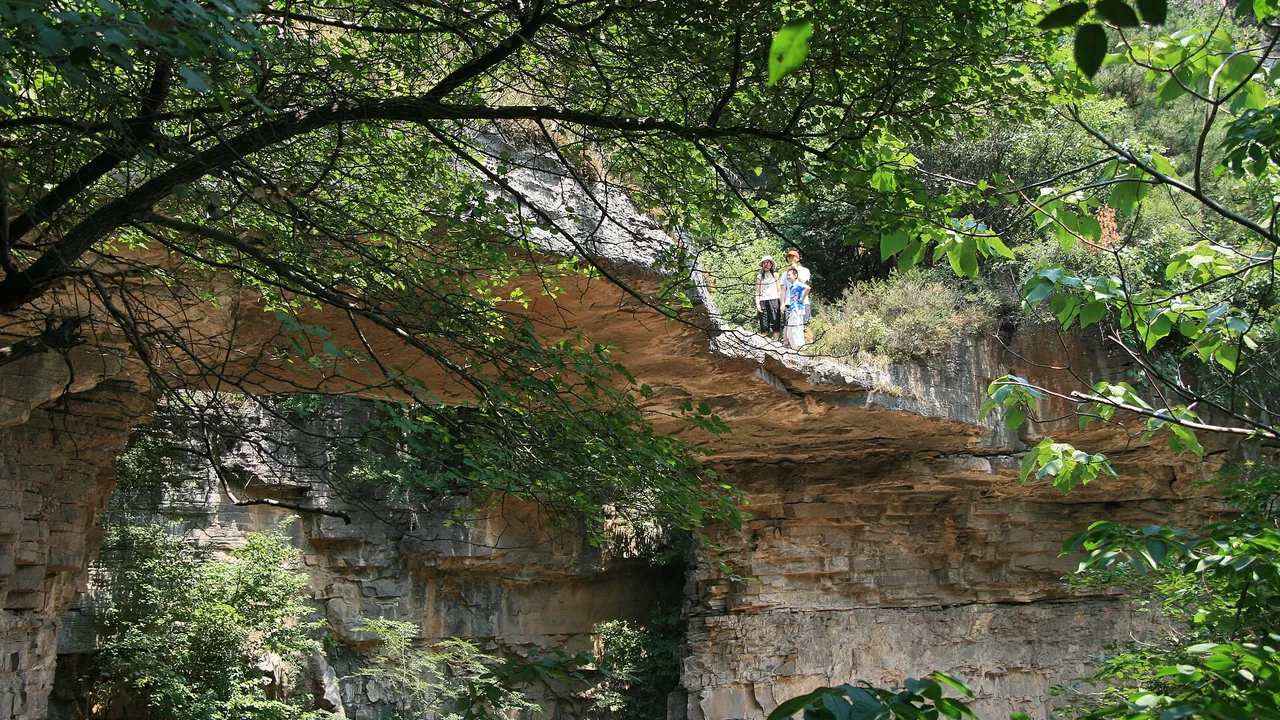
Shennong Altar: The Culture Landing of Three Days
Reach the Shennong Altar before noon, honor the Yan Emperor statue and the thousand-year fir, and the nature run ties on its cultural thread. A morning rite performance, if timed right, lands here too.
The red silk layers under the fir make the quietest ten minutes of the trip.
Guanmenshan: Completing Three Days of Natural History
The final call is Guanmenshan, where geology and biology halls turn three days of scenery into cause and effect: why the Roof of Central China stands, why the cloud sea forms, why golden monkeys live here. The panda house and cliff apiary are the closing easter eggs.
Two hours of gorge boardwalk, then back to Muyu to close the three days.
| Getting around |
|
| Budget | The park pass runs about RMB 270-300 pp with shuttles another RMB 100-150, lodging and meals near RMB 900 across three days, totaling roughly RMB 1400-1800 pp. |
| Best time | Jun-Oct runs steadiest, with fall foliage an Oct bonus; Dajiuhu dawn mist wants a Pingqian night, and winter shortens some routes. |
FAQs
How demanding are the three days physically?
Intensity concentrates on day one: the four-hour Shennong Valley loop is the trip's hardest stretch, with honest mid-route turnbacks. Day two starts early but rides and flat-walks mostly, and day three is the buffer. Slow pacing suits most; those with cardiovascular conditions should skip the full valley.
How does the park pass work, and what does it cover?
The six-park pass sells on official platforms and at ticket halls, valid across several days and saving thirty to forty percent over singles. It excludes in-park shuttles and transfers, bought separately. Bring ID for real-name registration at purchase.
Which season best fits this line?
Three peaks: June azaleas, July-August cool escapes, and mid-to-late October foliage; Dajiuhu's dawn mist peaks in autumn. Winter brings snow and skiing but closes boardwalks, with the valley loop impossible in ice. For scenery plus access, late September through October is the first-choice window.
Should I sleep in Pingqian or return to Muyu?
For Dajiuhu's dawn mist, Pingqian is mandatory, since only a room at the gate beats the pre-sunrise shuttle. Skip the mist and Muyu comforts more, with fuller food and lodging choices. This line recommends night one in Pingqian and night two back in Muyu, both boxes ticked.