
Five days is Shennongjia's complete form: two days based in Muyu clearing the culture parks and small sights, day three running the Shennong Peak line to sleep in Pingqian, day four pairing Dajiuhu's dawn mist with Tianyan's cloud sea, and day five closing unhurried through the Hongping Gallery and the Xiangxi source. Each day carries only a daypack, with bags on long-term deposit at a Muyu hotel.
The winter edit is simple: days four and five trade Dajiuhu and the gallery for Shennongjia International Ski Resort, everything else unchanged. The monkeys stay on show in winter too, and snow makes them more photogenic.
Itinerary at a glance
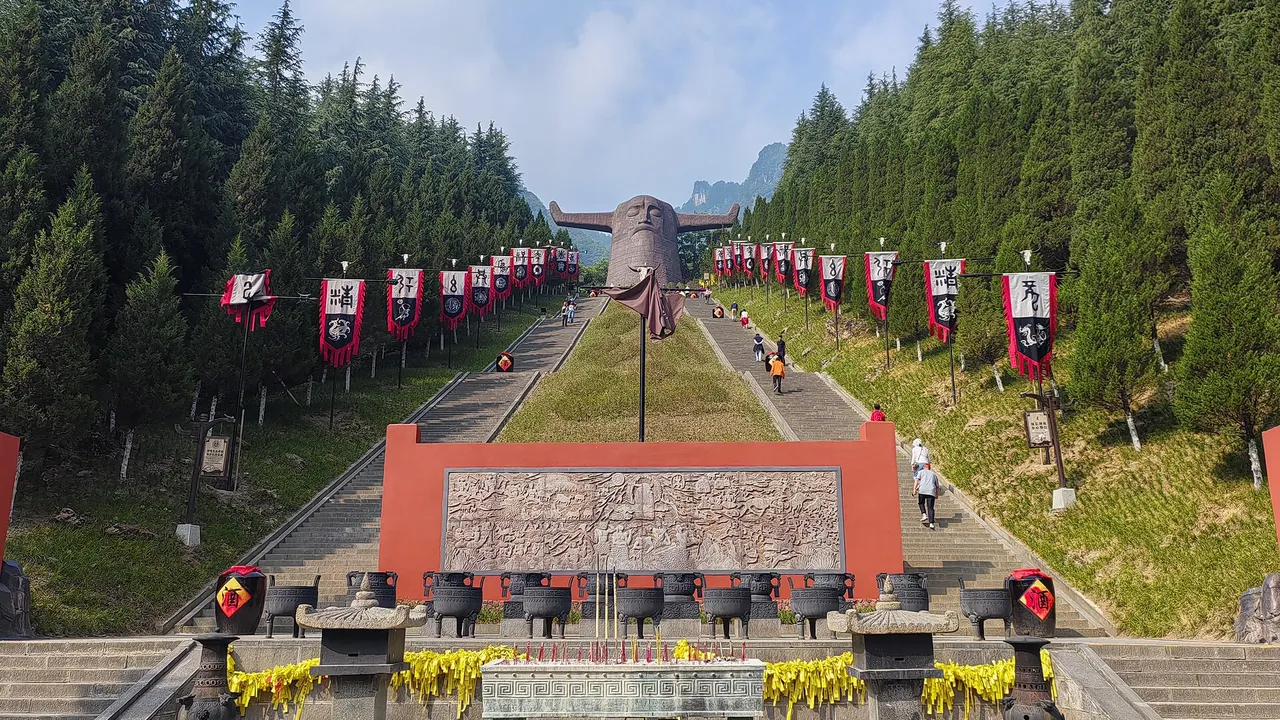
| 09:00 | Shennong Altar: Where Five Days Begin |
| 13:30 | Tiansheng Bridge: Ba Craft Beneath the Falls |
| 08:30 | Guanmenshan: The Natural History Syllabus |
| 07:30 | Xiaolongtan: The Monkeys Open Day Three |
| 09:30 | Shennong Valley and the Roof of Central China: Peak Effort |
| 06:00 | Dajiuhu: The Dawn-Mist Feature |
| 13:30 | Tianyan: Cloud Sea and the Rainbow Bridge |
| 16:30 | The Hongping Gallery and Town: The Highway Scroll at Dusk |
| 09:00 | Xiangxi Source: The Quiet Close of Five Days |
| 13:00 | (Winter Edition) Shennongjia International Ski Resort: An Afternoon on the Snow |
The route, stop by stop
Shennong Altar: Where Five Days Begin
Day one starts cultural, setting the tone of why Shennongjia at all. The Yan Emperor statue, the votive tradition and the thousand-year fir lay down the region's human undercoat.
Catch the morning rite, lunch in Muyu, then roll to the bridge for the afternoon.
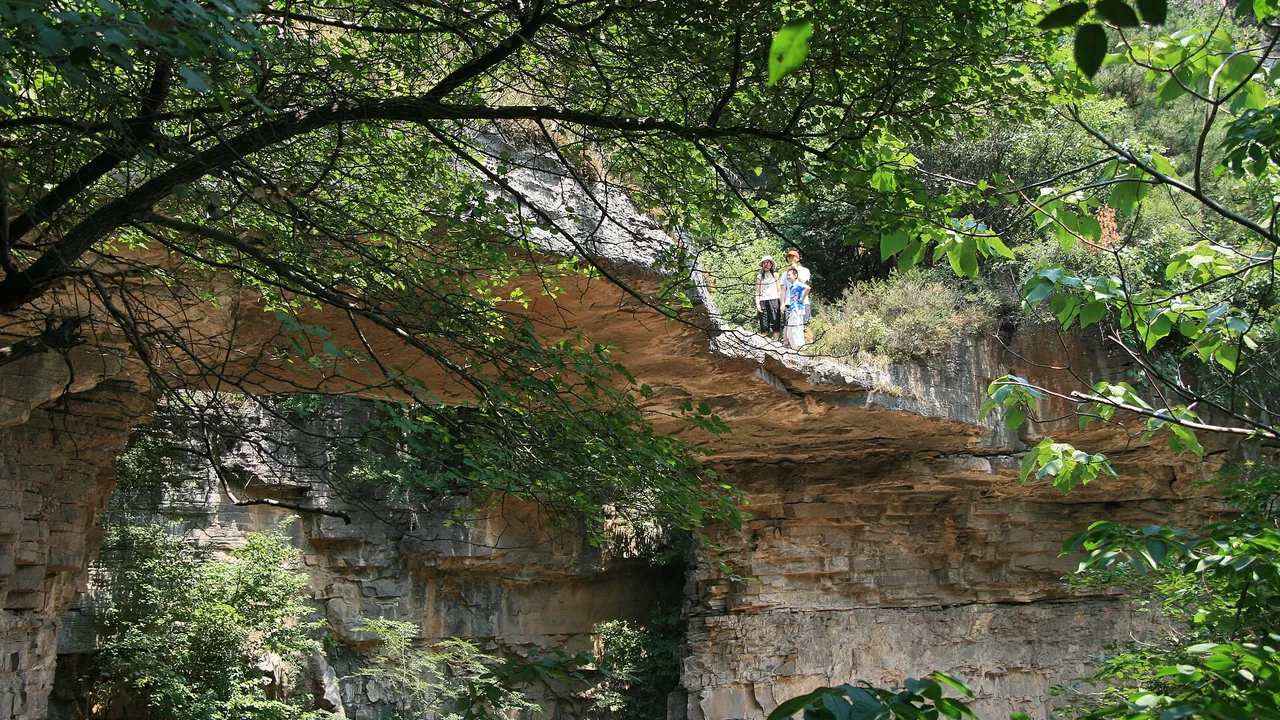
Tiansheng Bridge: Ba Craft Beneath the Falls
The afternoon clears Tiansheng Bridge in one pot: natural arch, waterfall and Ba workshops. The oil press's muffled ram and the still's steam make the afternoon's white noise.
Ninety minutes around the loop, then back to Muyu to rest, fire-pit dinner at night.
Guanmenshan: The Natural History Syllabus
Day two's morning reads the syllabus at Guanmenshan: geology, biology, the panda house and the cliff apiary. The next three days at Shennong Peak and Dajiuhu all find their footnotes in these halls.
Two hours of gorge boardwalk, lunch in town, then a light afternoon of town-wandering and napping.
Xiaolongtan: The Monkeys Open Day Three
Day three runs the Shennong Peak line end to end, first stop Xiaolongtan for the monkeys, golden fur brightest in slanted light, ten minutes of science hall first.
Wild-troop viewing at Dalongtan books by phone ahead, so call on day one of the trip.
Shennong Valley and the Roof of Central China: Peak Effort
The morning walks the Shennong Valley loop (or its mid-route out-and-back), the afternoon climbs the Roof of Central China lookout: cloud seas below, ranges spreading beyond, the four hardest, richest hours of five days.
Put the fir boardwalk of Taiziya after the lookout, forty flat minutes as a cooldown, then descend to Pingqian by dusk.
Dajiuhu: The Dawn-Mist Feature
Day four belongs to Dajiuhu around sunrise, and the Pingqian night cashes out at the first shuttle: half an hour of mist, deer and reflections in one frame, the trip's cover photo.
Walk three or four lakes through the morning, Lake Five's platform the best angle, back in town for breakfast by ten.
Tianyan: Cloud Sea and the Rainbow Bridge
The afternoon lands at Tianyan: the cliff caves of Swallow Cliff, the ring boardwalk and the rainbow bridge spanning two crags, cloud-sea odds peaking three to four in the afternoon.
An hour around the loop at 2,300 meters, wind strong, tether the phone.
The Hongping Gallery and Town: The Highway Scroll at Dusk
Drop off Tianyan straight into the Hongping Gallery, dusk sidelight gilding the cliff walls. Sleep in Hongping town or return to Muyu, per tomorrow's plan.
If tomorrow targets the ski resort or the Xiangxi source, Hongping beds are the smoother call.
Xiangxi Source: The Quiet Close of Five Days
The last day returns to the Xiangxi source by Muyu. After four days of big mountains and waters, one gentle forest trail drops the tempo just right: spring water, woodland light, oxygen-rich air, all charging you for the road home.
An hour round trip, closing lunch of rock-ear chicken in town, and out on the afternoon connection.
(Winter Edition) Shennongjia International Ski Resort: An Afternoon on the Snow
December through February, trade day five for the ski resort, an hour-plus from Muyu, with runs from beginner to intermediate, gear rented on site and lessons booked ahead.
Non-skiers can ride the lift for the snow views alone; the rime-covered summit trees are a winter exclusive.
| Getting around |
|
| Budget | The park pass runs about RMB 270-300 with shuttles near RMB 150, lodging and meals about RMB 1500 across five days, totaling roughly RMB 2200-2800 pp. |
| Best time | Jun-Oct runs steadiest, with mid-to-late October foliage the summit; in winter (Dec-Feb), swap the ski slopes in for the Dajiuhu dawn-mist block. |
FAQs
Five days or three, how to choose?
Three days deliver the hardcore trio of Shennong Peak, Dajiuhu and Tianyan; five adds the cultural opening and an unhurried close at roughly half the daily strain. With only three, no grief: you cut buffer, not core. Weaker legs or family in tow, take the five-day build.
Is Shennongjia worth visiting in winter?
Yes, played differently: the ski resort replaces the wetland and gallery, while the monkeys and altar run as usual, and snow itself is an off-season exclusive. Mind road ice and thinning schedules, charter with chains as the winter standard. Rent ski gear at the resort, no need to haul your own.
Which two of the five days could be cut if needed?
The softest two are day two, Guanmenshan plus the town rest day, and day five, the Xiangxi buffer, both garnish. The core skeleton is one day on Shennong Peak and one pairing Dajiuhu with Tianyan; everything else flexes.
Do I need a guide or driver-guide throughout?
Charter drivers in Shennongjia commonly double as guides, fluent in shuttle times and cloud-sea odds, money well spent. In-hall guiding can be hired per stop, richest at Guanmenshan and the altar. Serious naturalists can book a dedicated nature guide for routes beyond.