
The seven-day deep run reads Shennongjia as one book: two opening chapters around Muyu (the stream source, the science park, the altar, the old bridge), a third traversing Shennong Peak's four altitude bands, a fourth on Dajiuhu's wetland and the town of Pingqian, a fifth crossing to Hongping and Tianyan's cloud sea, and the last two on the ski resort's slopes and capital-town life in Songbai.
Lodging layout: three nights Muyu, one Pingqian, one Hongping, one Songbai, bags packed by altitude band. A charter threads all seven days; the district bus timetable cannot carry this density.
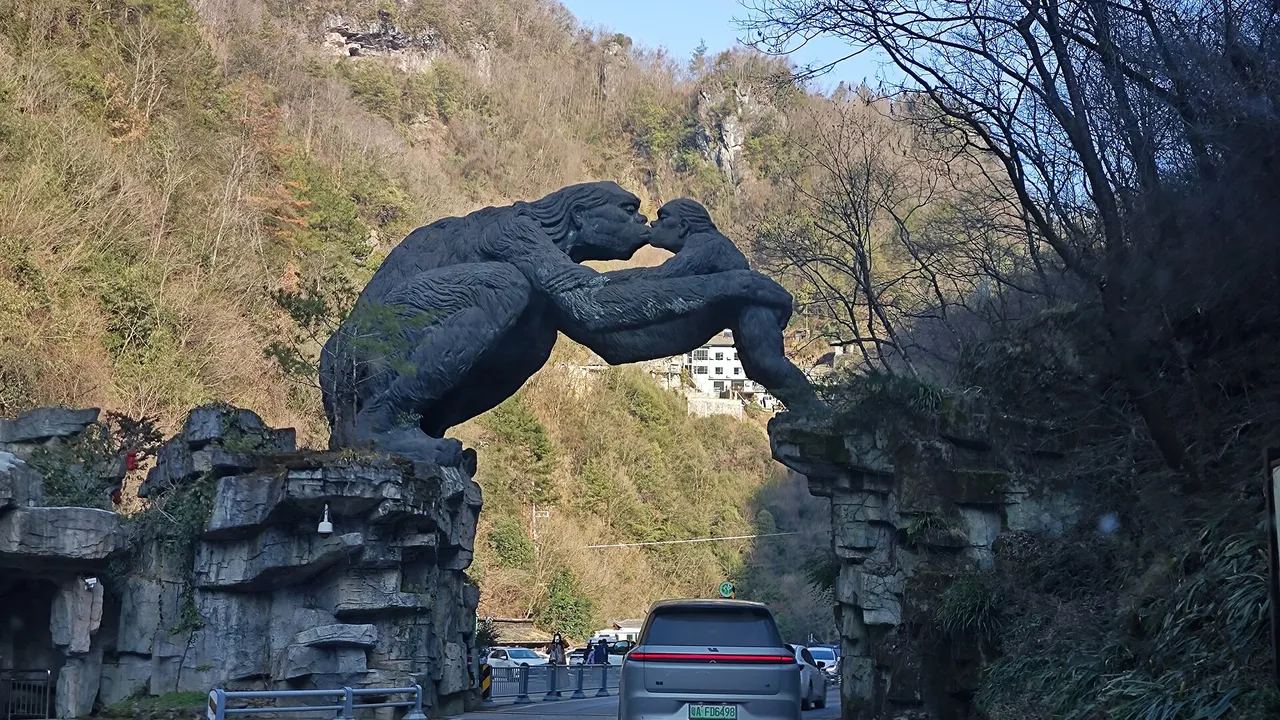
Itinerary at a glance
| 14:00 | Xiangxi Source: Arrival-Day Warm-Up |
| 08:30 | Guanmenshan: The Syllabus and the Cliff Apiary |
| 13:30 | Tiansheng Bridge: Falls and the Ba Workshops |
| 09:00 | Shennong Altar: Half a Day of Votive Grounds |
| 07:30 | Xiaolongtan: The Monkeys' Morning |
| 09:30 | Shennong Valley: Four Hours on the Cliff Boardwalk |
| 13:00 | The Roof of Central China Lookout: The Platform at 3,100 Meters |
| 15:00 | Taiziya: The Closing Boardwalk Among Firs |
| 06:00 | Dajiuhu: Mist, Deer and Reflections |
| 11:00 | Pingqian Old Town: Noon at the Wetland Gate |
| 14:30 | The Hongping Gallery: The Highway Scroll at Dusk |
| 09:00 | Tianyan: Swallow Cliff and the Rainbow Bridge |
| 13:00 | Shennongjia International Ski Resort: An Afternoon on Snow (Winter) |
| 09:00 | Shennong Tianchi and Songbai: The Capital Close of Seven Days |
The route, stop by stop
Xiangxi Source: Arrival-Day Warm-Up
Arrival afternoon in Muyu, settled in, starts with the Xiangxi source. One gentle forest trail dismantles half the journey's fatigue, and the spring water and woodland light set the seven-day tone.
At night, scout the main street: restaurants, the specialty shops and the bus station, and the week's map takes shape in your head.
Guanmenshan: The Syllabus and the Cliff Apiary
Day two's morning lays foundations at Guanmenshan. The geology and biology halls explain everything the next five days will show you, while the cliff apiary and the panda house are the two living exhibits that cannot be skipped.
Two hours of gorge boardwalk, lunch in town, the bridge in the afternoon.
Tiansheng Bridge: Falls and the Ba Workshops
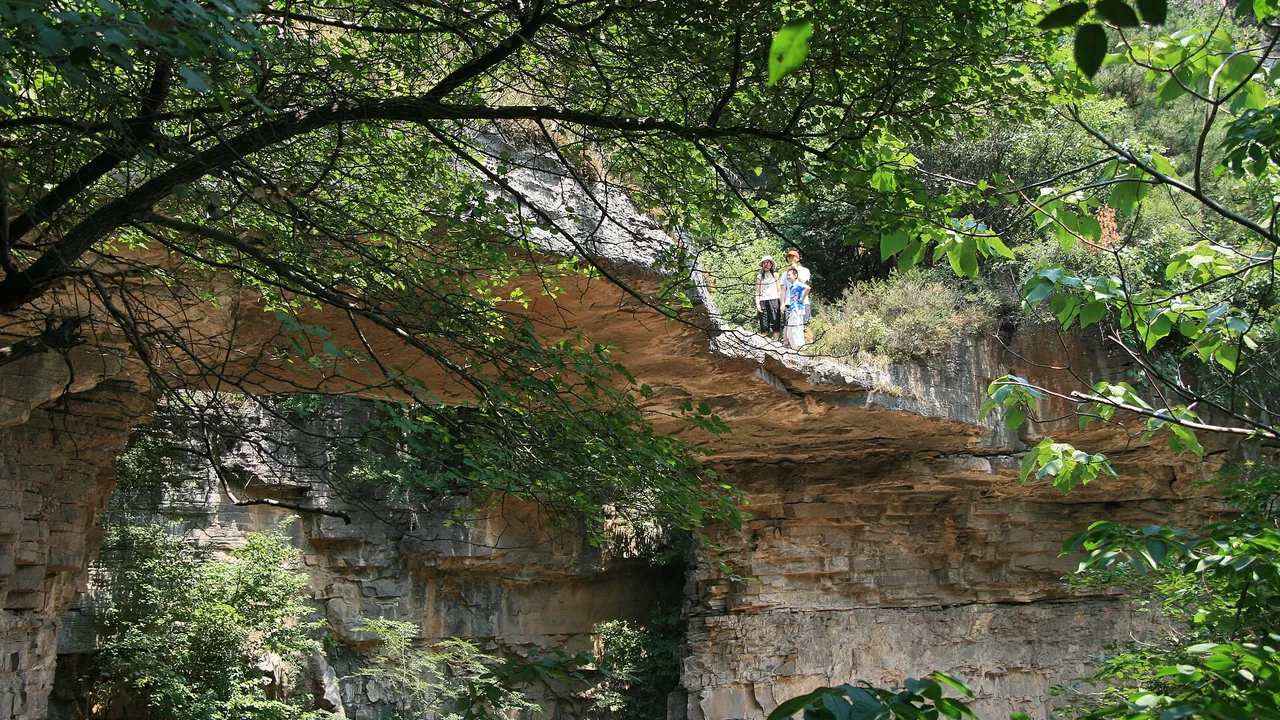
The afternoon belongs to Tiansheng Bridge, waterfall roaring beneath the natural arch, Ba workshops pressing oil and brewing on the spot. Nature and culture answer each other in one valley, the densest single stop around Muyu.
Ninety minutes around the loop, fire-pit dinner back in town.
Shennong Altar: Half a Day of Votive Grounds
Day three's morning sets the last puzzle piece around Muyu: the Yan Emperor statue, the rite performance and the thousand-year fir. With this, the Muyu quartet of source, science park, bridge and altar stands complete.
The afternoon is free recovery: town strolling, laundry, restocking mountain supplies, banking legs for Shennong Peak tomorrow.
Xiaolongtan: The Monkeys' Morning
Day four begins the Shennong Peak traverse. First stop Xiaolongtan, rescue troops leaping through the firs, ten minutes of science hall explaining troop society first.
Wild-troop viewing at Dalongtan books ahead, so phone on the trip's first day.
Shennong Valley: Four Hours on the Cliff Boardwalk
The Shennong Valley loop is the seven-day peak of physical demand. The boardwalk rides the cliff, and in cloud sea you walk on clouds. The mid-route viewpoint is an honorable turnback.
Near 3,000 meters: slow pace, plenty of water, sugar on hand.
The Roof of Central China Lookout: The Platform at 3,100 Meters
The afternoon climbs the Roof of Central China. The lookout area holds the highest point of central China, and in clear air the ranges push to the horizon like frozen waves. No walking needed, twenty minutes of still looking suffice.
The arrow bamboo and firs by the tower are the monkeys' winter home, and the ecosystem's vertical layering reads at a glance.
Taiziya: The Closing Boardwalk Among Firs
The day's last leg is Taiziya's gentle loop: old firs, arrow bamboo and June azaleas. No climb, the perfect cooldown for Shennong Peak day.
Descend to Pingqian by dusk, dinner and early bed, up at half past five for tomorrow's mist.
Dajiuhu: Mist, Deer and Reflections
Day five's heavyweight plays around sunrise. The first shuttle carries the Pingqian sleepers into the mist: fog on the water, deer in silhouette, mountains hanging inverted, half the week's shutter presses in half an hour.
Walk three or four lakes through the morning, light hardening by ten, then breakfast and checkout in town.
Pingqian Old Town: Noon at the Wetland Gate
Spend an hour in Pingqian before checkout. The town built to serve Dajiuhu runs tidy and clean, its riverside path, farmhouse kitchens and fish stalls worth an unhurried look.
Lunch in town, potato rice and cured pork, then north to Hongping.
The Hongping Gallery: The Highway Scroll at Dusk
The afternoon runs north to Hongping, facing cliffs walling the road into a natural scroll. Ask the driver to slow, stop at two pull-offs, and watch the stream bend through the gorge while light slides along the rock.
Sleep in Hongping town, the valley so quiet at night that only the stream speaks, a high-altitude sleep.
Tianyan: Swallow Cliff and the Rainbow Bridge
Day six's morning goes to Tianyan. The ring boardwalk leads to the rainbow bridge spanning two crags, and when cloud sea pours beneath the span you get the week's ten minutes closest to the sky.
Short-tailed swifts nest in the cliff caves through summer and autumn; the loop takes an hour at 2,300 meters with biting wind.
Shennongjia International Ski Resort: An Afternoon on Snow (Winter)
December through February, the afternoon goes to the ski resort. Runs span beginner to intermediate, gear rents on site, lessons book ahead. Non-skiers ride the lift for the rime-covered pines, a winter exclusive.
The resort sits toward Hongping, on the same line as Tianyan, a smooth flow.
Shennong Tianchi and Songbai: The Capital Close of Seven Days
Day seven runs north to the district capital, Songbai: first an hour circling Shennong Tianchi by the town edge, then the old street and the district museum inside town. Soviet-era blocks, specimen walls and the wet market add the human chapter to seven days of nature.
Finish over a closing meal on the old street and depart straight from Songbai (buses run to Yichang and Shiyan), or overnight in Muyu for a next-morning exit.
| Getting around |
|
| Budget | Tickets and shuttles total about RMB 700-800, seven days of chartering near RMB 1400 pp, lodging and meals around RMB 2000, for a whole-trip budget near RMB 4200-5500 pp. |
| Best time | Jun-Oct is the standard build; Dec-Feb switches to the winter edit (ski slopes replacing the wetland block), and late-October foliage books out town beds. |
FAQs
How is the effort spread across seven days?
The design rule is hard day, soft day: the Shennong Peak traverse and the dawn-mist morning hit hardest, each flanked by buffer days (Muyu orbit and the culture line). The valley loop can turn back mid-route with honor, and that flexibility is precisely what seven days buy.
What budget, and where is extra money best spent?
Per person, RMB 4200-5500. The three best upgrades: a reliable driver-guide for the charter, a lake-view room in Pingqian for the mist flow, and a proper rock-ear chicken finale. Savings: bring your own gloves and guards to the ski resort, and eat in town rather than hotel dining rooms.
How much does the winter edit change?
Two edits: the Dajiuhu block shortens (boardwalk sections close), a look at the mist then onward, adding a ski-resort half-day after Tianyan; and Shennong Valley closes in ice, substituted by the lookout and Taiziya. The rest runs as written, and the monkeys grow more active and photogenic in winter.
What if it rains for days straight?
Rain is common in the forest, so build on the all-weather base: Guanmenshan, the museums and the ski resort (rain or snow) run in any sky, while gorge and saddle items slot into weather windows. Keep the lodging plan fixed, flex the order, and this is exactly where chartering pays for itself.