
Shenzhen is not without history; its history is compressed into the seams of hyper-urbanization. Three days unfold by time-depth: Nantou Ancient City buries 1,700 years of commandery history, Chung Ying Street seals a century of border memory, and Hakka walled villages and the printmaking village preserve the rural China that predated the city.
The line's underrated difficulty is its spread: three directions, three transport modes, day one in Nanshan, day two at the Yantian border, day three into Longgang and Guanlan. Split the days by lodging radius, one direction per day, far saner than greed.
Itinerary at a glance
| Day 1 09:30 | Nantou Ancient City: The 1,700-Year-Old Urban Origin |
| Day 1 14:00 | The Dutch Flower Town and Zhongshan Park: Slow Patches Beside the Old City |
| Day 1 19:00 | Nantou's Night Lanes: Old and New Sharing the Lanterns |
| Day 2 09:30 | Chung Ying Street: A Century of Border on One Lane |
| Day 2 14:00 | Shataukok and the Boardwalk: An Afternoon on the Border Line |
| Day 2 19:00 | Yantian at Night: The Seafood Street and the Lighthouse Library |
| Day 3 09:30 | Gankeng Hakka Town: A Walled Village in Modern Translation |
| Day 3 13:30 | Hehu New Residence: A Complete Hakka Walled-Compound Sample |
| Day 3 17:00 | Dafen Oil Painting Village: The Heritage Line's Modern Close |
The route, stop by stop
Nantou Ancient City: The 1,700-Year-Old Urban Origin
Counting from the Eastern Jin seat of Dongguan commandery, Nantou is the shared administrative origin of Shenzhen, Hong Kong and Macau. The old county yamen, Baode shrine and city temple form the historic frame, while dozens of lanes mix old houses with youth brands; heritage by day, lanterns by night, two different cities.
Give it three hours: walk the main street to the yamen and shrines, then dive into side lanes hunting murals and old wells. The free history exhibition inside tells the city's before-and-after cleanly.
The Dutch Flower Town and Zhongshan Park: Slow Patches Beside the Old City
Patch two slow pieces around the old city in the afternoon. The Dutch Flower Town is Nanshan's flower and plant market, European-styled buildings packed with florists, aquarium shops and garden suppliers at honest prices, built for unhurried browsing. Across the road, Zhongshan Park ranks among Shenzhen's oldest, its ancient banyans and lake making quiet urban shade.
Both chain with Nantou on foot, and the afternoon's intensity stays minimal, good for digesting the morning's history. A small bouquet from the flower town is the day's most practical souvenir.
Nantou's Night Lanes: Old and New Sharing the Lanterns
Return at night for the ancient city's second face. Main-street lanterns light up and the quiet heritage houses turn market: snack stalls, bars and live music in rotation, young people drinking on the square before the shrine, the city's oldest ground hosting its most current night.
Dine inside the old city, rice rolls to craft bars all within walking range. The night lanes crowd, so guard your things and leave before the last metro for an easy exit.
Chung Ying Street: A Century of Border on One Lane
Chung Ying Street is the boundary lane between Shenzhen and Hong Kong, its midpoint border stones splitting one street into two customs zones, where the smuggling and border-trade lore of old Shataukok played out. The history museum and the border-stone group are the proper sights; shopping trails behind.
Entry needs the Frontier Closed Area permit, bookable on official channels by locals and visitors alike, free but capped daily. With the permit you enter through the designated checkpoint, the visit running two to three hours.
Shataukok and the Boardwalk: An Afternoon on the Border Line
Out of Chung Ying Street, walk the Shataukok seafront toward Yantian, boardwalks unrolling along the coast with Hong Kong's villages and hills just across: the city's nearest physical approach to Hong Kong, windy and wide open.
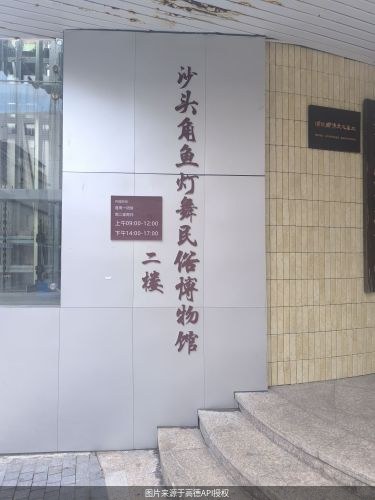
Shataukok's fish-lantern dance is a local intangible-heritage performance, staged on festivals and some weekends; check the local official account for schedules before leaving. Missing the show, the community culture station still displays its story.
Yantian at Night: The Seafood Street and the Lighthouse Library
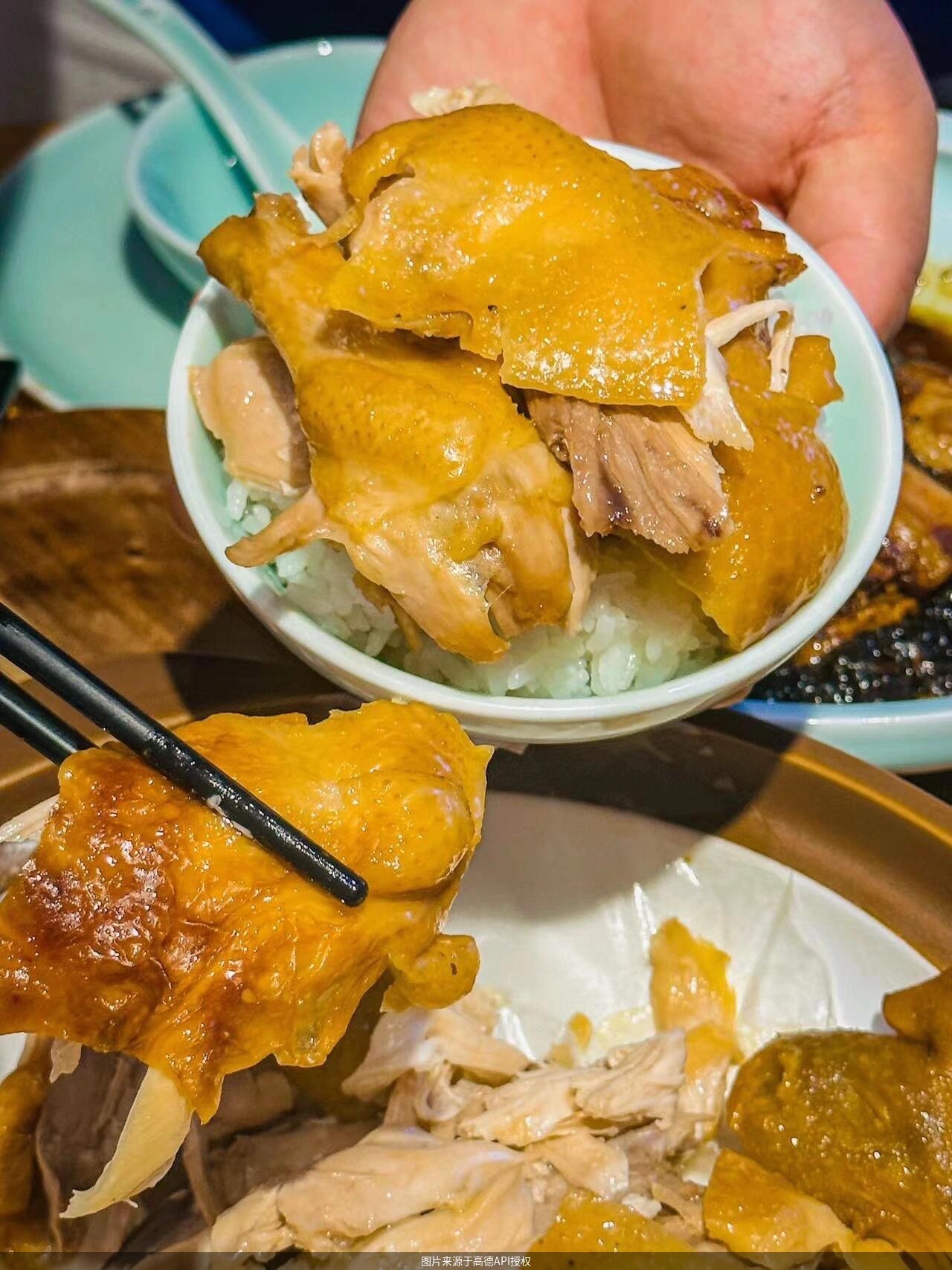
Close day two in Yantian. The seafood street's evening lights and steam are the east's most human picture; pick a busy stall for processing, far more honest than restaurants inside scenic zones. After dinner walk the seafront toward Dameisha, where the lighthouse library stands lit at the boardwalk's end.
This small library built as a lighthouse is Yantian's photogenic landmark, framing the night sea beautifully under its lights. Borrow or not, sitting at the window a while with the dark water is the best close to a border day.
Gankeng Hakka Town: A Walled Village in Modern Translation
Day three enters Shenzhen's Hakka heartland. Gankeng Hakka Town rebuilds around Hakka row houses and walled structures, with the scholar's mansion, blockhouse and folk-custom displays scattered through the village, keeping real architectural texture under a commercial shell.
The town is small, two hours for the core. The Hakka family-motto hall and folk exhibitions reward stops; theme-park amusements suit families, while other visitors can skip straight to the buildings.
Hehu New Residence: A Complete Hakka Walled-Compound Sample
Hehu New Residence ranks among China's largest surviving Hakka walled compounds, built in the Qing and home to the Luo clan for over two centuries. The three-hall, eight-room, eighteen-well layout survives intact, and the axial order of moon pool, dragon ring and ancestral halls only lands once you stand inside it.
A Hakka folk-custom exhibition fills the compound, with thorough signage rewarding a ninety-minute slow pass. Visitor numbers run far below Gankeng; for quiet architecture, this stop is the three days' proper meal.
Dafen Oil Painting Village: The Heritage Line's Modern Close
Drop into Dafen on the way back, linking the heritage days to their contemporary ring. From the clan society of Hakka walled houses to the global industry of an oil-painting village, Shenzhen's rural and modern switch over in a day. At dusk the studios light up, painters at their benches, the lanes thick with pigment.
If Nantou opened your trip, the two mirror each other: how one city preserves seventeen hundred years and forty years at once. A small painting is the lightest heritage souvenir.
| Getting around |
|
| Budget | RMB 400-800 pp: sites lean free, spending sits in transport and meals, and the Chung Ying Street permit is free but booked ahead. |
| Best time | Year-round, best in autumn and winter; Chung Ying Street permits carry quotas, tight on holidays, so book several days ahead. |
FAQs
Can you still enter Chung Ying Street, and is the permit a hassle?
Yes, and permitting has gone fully online: real-name booking on the official platform, then collect at the permit hall near the Shataukok checkpoint with your ID in the chosen slot, free of charge. The crux is quota: daily caps mean three-to-five-day booking for holidays, while weekdays often have same-day slots.
Without Hakka background, can I still read the walled compounds?
Yes. Hehu's displays and signage run from architectural layout to clan migration history at visitor-friendly density; spend ten minutes on the overview exhibit at the entrance first, and the order of moon pool and ancestral halls instantly gains context. With time to spare, rent the audio guide, solid value.
Which stop is least cuttable in three days?
Nantou and Chung Ying Street tie for first, one the city's ancient depth, one the modern era's unique border sample. If another must go, cut Gankeng (the most commercialized) and keep Hehu for a genuine walled compound. Dafen is a modern coda, and dropping it does not break the heritage line.
Does this heritage line suit kids?
Suitable from six up: lane-hunting in Nantou, the border-stone stories of Chung Ying Street and watching Dafen painters all hook children. Walled-compound exhibits run static, so cap them at forty minutes. The Chung Ying Street permit needs the child's own ID booked ahead, so confirm documents before the trip.