
Seven days is the serious reading of Shenzhen. The city's interest lies not in any single landmark but in the contrasts between facets: the axis's order against urban-village density, theme-park dreams against a painting village's craft, a 1,700-year-old city against a forty-year skyline. One theme per day keeps transfer costs low and understanding deep.
Split it five days downtown, two east: the first five based in Futian or Nanshan under full metro cover, day six moving east to overnight in Yantian, day seven closing the Dapeng Peninsula by chartered car. Process the booking checklist a week out; museum slots, beach quotas and show tickets all need grabbing.
Itinerary at a glance
| Day 1 09:00 | Lianhuashan Park: The Seven-Day Coordinate System |
| Day 1 14:00 | MOCAUP: How the City Designed Itself |
| Day 1 19:00 | Huaqiangbei: An Electronics Night Market for Night One |
| Day 2 09:00 | Window of the World: A Day of the Dream-Building Industry |
| Day 2 18:30 | OCT Harbour: A Second Kind of Night on the Water |
| Day 3 10:00 | The He Xiangning Art Museum and OCT: An Art-District Morning |
| Day 3 15:00 | Sea World Culture and Arts Center: A Sea-Facing Hall and Its Dusk |
| Day 4 09:30 | Nantou Ancient City: The Humanistic Depth of a Deep Trip |
| Day 4 16:30 | Shenzhen Bay Park: A Sunset Reward after the Transfer |
| Day 5 08:00 | Wutong Mountain: The City's Roof at Dawn |
| Day 5 14:30 | Fairy Lake Botanical Garden: A Slow Botany Class after the Descent |
| Day 6 09:30 | Dameisha Beach Park: First Sand of the Eastern Push |
| Day 6 14:00 | The Yantian Boardwalk: An Afternoon of Cliffs and the Lighthouse |
| Day 7 09:30 | Dapeng Fortress: The Seven Days' Historical Convergence |
| Day 7 14:00 | Xichong Beach: Giving the Last Hour to the Sea |
The route, stop by stop
Lianhuashan Park: The Seven-Day Coordinate System
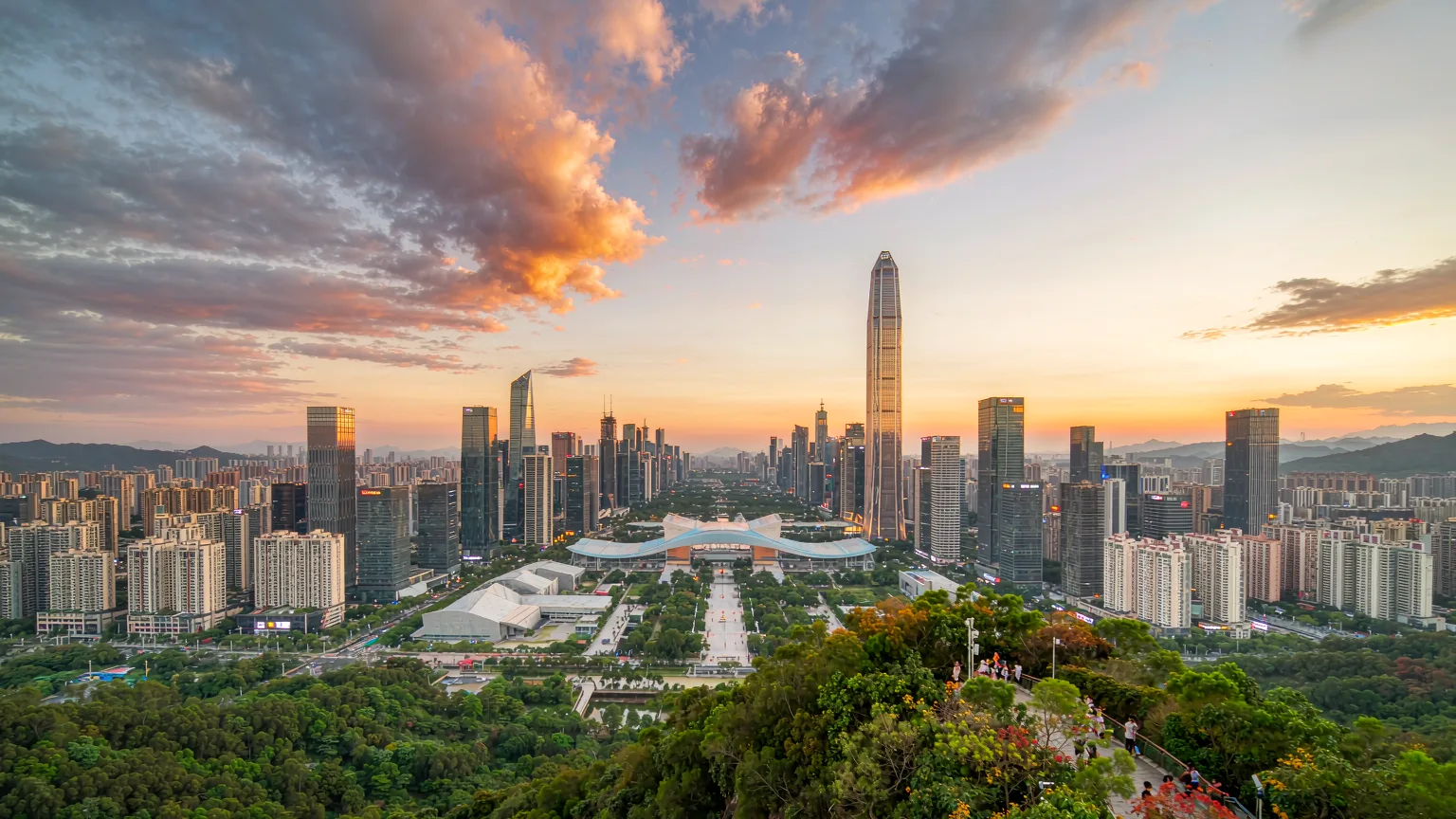
Deep travel starts with coordinates. From Lianhuashan's hilltop square the full Shennan axis unfolds, Civic Center, Ping An Finance Centre and distant ridges in one frame; stand before the city's standard portrait and take in the mountain-water skeleton first.
Wander the morning slowly, descend by the greenway toward the Civic Center blocks for lunch, and keep day one soft, saving form for six more days.
MOCAUP: How the City Designed Itself
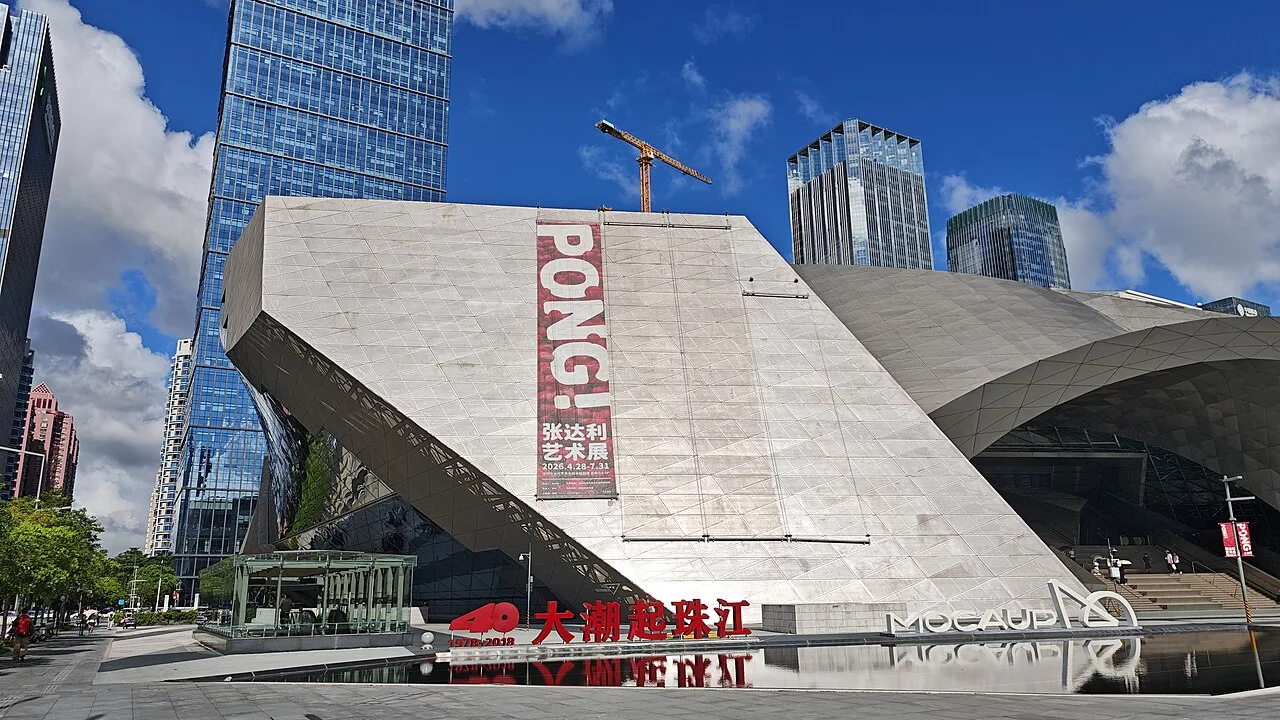
Afternoon reads the blueprints at MOCAUP, where the planning wing's city model and successive master plans explain forty years of spatial logic in one sitting, with contemporary galleries adding the spiritual footnotes. Planning first, art second, about two hours in order.
Free with real-name booking, holiday slots tight, so grab them early. Once done, the city's scale is installed in your head, and every road in the next six days has provenance.
Huaqiangbei: An Electronics Night Market for Night One
Night one sees Shenzhen's other face at Huaqiangbei. The electronics markets blaze at night, counters stacked with components and devices, a Manhattan of gadget streetscapes hard to find elsewhere. Even buying nothing, walk it once: this is the audible heartbeat of global hardware.
Small accessories are fine to buy now; leave full devices and big-ticket items for daylight inspection. Nearby kitchens run from Chaoshan beef to Hunan, so dinner happens on the spot.
Window of the World: A Day of the Dream-Building Industry
Give day two's full daylight to Window of the World. Entering at opening, the miniature world takes four-plus hours at an easy pace, with shows and the tower lift threaded between, and afternoon parades connect into the night light show: one perfectly full day.
The Eiffel lift surveys all of Shenzhen Bay, and riding it at sunset is the park's worthiest queue. Carry water and sun protection, since in-park food runs at a premium.
OCT Harbour: A Second Kind of Night on the Water
At dusk, walk or ride one stop to OCT Harbour and change rhythm from the daytime park. Dinner rings the lagoon, the water-theater's fountains and flame open on schedule, and the free bankside catches most of it.
One post-dinner lap settles the park day's adrenaline. The nightscape here runs quiet, a clean counterpoint to Huaqiangbei's noise.
The He Xiangning Art Museum and OCT: An Art-District Morning
Day three turns to art. Morning opens at the He Xiangning Art Museum, its balance of classical ink and contemporary shows comfortable, then walks into OCT-LOFT, where indie bookshops, galleries and design stores inside red-brick workshops consume a whole morning.
Cafes cluster through the park; lunch lands in a converted-workshop eatery. The day's keyword is slow: slow walking, slow viewing, slow coffee.
Sea World Culture and Arts Center: A Sea-Facing Hall and Its Dusk
Afternoon rides line 2 to Shekou, where the Sea World Culture and Arts Center's white volume faces the sea, the Design Society galleries steady in quality, and the rooftop deck points at the Shenzhen Bay shipping channel, the place to watch sunset and freighters at once.
After dark the Minghua lights up with fountain shows; pick one of Shekou's global kitchens for dinner. The art day closes here with exhibition, sea wind and supper all within walking range.
Nantou Ancient City: The Humanistic Depth of a Deep Trip
Day four returns 1,700 years. Nantou Ancient City is the shared administrative origin of Shenzhen, Hong Kong and Macau, its yamen, shrines and Ming-Qing lanes keeping the city's road in, while youth shops in old houses write its present; the coexistence of old and new is the most enduring exhibit here.
Give it three-plus hours: main street, yamen and lanes each get a pass, the free history exhibition included. Lunch on rice rolls and sweet soup inside, then transfer to the coast.
Shenzhen Bay Park: A Sunset Reward after the Transfer
A half-hour taxi from the old city, Shenzhen Bay Park gives the heritage day's afternoon to the sea. Rent a bike from the mangroves toward the Shenzhen Bay Bridge as dusk warms Hong Kong's hills and the skyline together, with winter adding mudflat flocks of migrants.
An hour of riding suffices, ten minutes parked at the bridge-view lawns for sunset. The old city's depth against the bay's openness in one day makes this the seven days' highest-value evening.
Wutong Mountain: The City's Roof at Dawn
Day five climbs Wutong at dawn, Shenzhen's highest near a thousand meters. A cool, thin-crowd morning start takes three to four hours up the regular routes, summit cloud against the city below often in one frame, with skyline and Dapeng Bay visible together on clear days.
Carry ample water and food, poles and braces by need. Limited legs can turn at the mid-hill pavilion, the views already worth the early alarm.
Fairy Lake Botanical Garden: A Slow Botany Class after the Descent
The afternoon hands your legs to the Fairy Lake Botanical Garden: cacti and succulents in the desert house, ferns in the shade zone, lakeside lawns and Hongfa Temple, all on gentle paths that stretch climbed muscles exactly right. After four, slanted greenhouse light earns the best frames.
The internal shuttle saves steps; post-hike, ride at least two segments. Soak in a hot bath tonight and recalibrate before day seven.
Dameisha Beach Park: First Sand of the Eastern Push
Day six pushes east to Yantian. Dameisha's crescent runs thin on crowds and soft on light in the morning, right for swimming, waves or a boardwalk stretch; peak season books online, and weekdays outperform weekends clearly.
Lunch on seafood at Yantian's street, picking a busy stall with processing fees settled first; the afternoon switches from sand to cliff line.
The Yantian Boardwalk: An Afternoon of Cliffs and the Lighthouse
The afternoon takes the Dameisha-to-Beizaijiao stretch, cliffs rising and falling with reef and lighthouse rotating through the frame, an easy two hours. Evening gives the boardwalk its softest light; dine in Yantian after.
Overnight in Yantian or at Dameisha to skip the night drive back downtown. The lighthouse library glows after dark, and its window seats over the night sea earn twenty minutes.
Dapeng Fortress: The Seven Days' Historical Convergence
The last day enters Dapeng with the fortress first: gates, generals' mansions and grey-brick lanes of the Ming coastal garrison survive intact, and Shenzhen's nickname Pengcheng traces here, ninety minutes for the core.
Glance at the sea from Jiaochangwei beach beside the fortress and lunch in the village on roast chicken or seafood. The seven days' historical line closes here: from Nantou's commanderies to Dapeng's coastal defense, the city's ancient chapter complete.
Xichong Beach: Giving the Last Hour to the Sea
The seven days end at Xichong, Shenzhen's longest crescent and cleanest water. Afternoon Xichong runs quiet with steady waves; swim or walk the shoreline to the end of sight, an open-armed close to the deep trip.
The dusk return downtown takes about ninety minutes; pad it well for flights. Look back once at the bay under Qiniang Mountain before leaving: the city's mountains and sea are now both walked.
| Getting around |
|
| Budget | RMB 2600-4500 pp: seven nights dominate, tickets about RMB 500, meals around RMB 150 per day, with two chartered-car days extra. |
| Best time | October to April is the prime window; keep at least one flexible block inside the seven days to swap indoor and outdoor when typhoon warnings or rain arrive. |
FAQs
Is seven days too long? How to cut to five?
Seven is the comfortable reading, five still works: merge the downtown themes (MOCAUP plus Lianhuashan in a day, Window of the World plus OCT Harbour in another), compress the east to a same-day Dameisha return, and drop secondary stops like the He Xiangning museum. Seven's value is daily slack; five means accepting full days.
What is the smartest lodging plan?
Take five downtown nights in Futian or Nanshan along the metro, night six in Yantian or at Dameisha to kill the eastern back-and-forth, and switch to Dapeng if you want a Xichong sunrise. Splitting beats staying central throughout, and on heavy-bag days use hotel storage to travel light.
What exactly is the seven-day booking checklist?
Five items: MOCAUP's free real-name slots, He Xiangning special-exhibition booking, peak-season beach quotas at Dameisha and Xichong, tickets for hot shows or the water spectacle, and the Chung Ying Street permit if added. All via official channels, batched a week out, each noted into the day plan.
How do I defend seven summer days against typhoons and heat?
Two disciplines: watch typhoon warnings daily before and during the trip, swapping outdoor blocks into MOCAUP, malls and museums the moment warnings bite; and on heat days squeeze climbs and hikes into dawn and dusk, with noon for indoors or hotel rest. Seven days hold enough slack to absorb one or two spoiled daylight blocks without rebuilding the trip.