
Five days is Tengchong's comfortable mode: no forcing a choice between nature and heritage, no sprinting two sights daily. The frame gives one day to Heshun, one to volcano and wetland, one to grassland and springs, one to the war heritage, and a final day to Qiluo plus slack. One or two anchors a day, with the rest spent walking, eating and idling.
The pace suits families with seniors and children especially: no drive exceeds an hour, and the midday nap is a rule, not a luxury. In ginkgo season, mid-November to early December, spend day five's slack at Ginkgo Village; out of season, hand that day to the downtown jade market and the night stalls.
Itinerary at a glance
| D1 09:00 | Heshun Library: Opening the Five Days |
| D1 11:00 | Washing Pavilions and the Xianhe: Heshun, Following the Water |
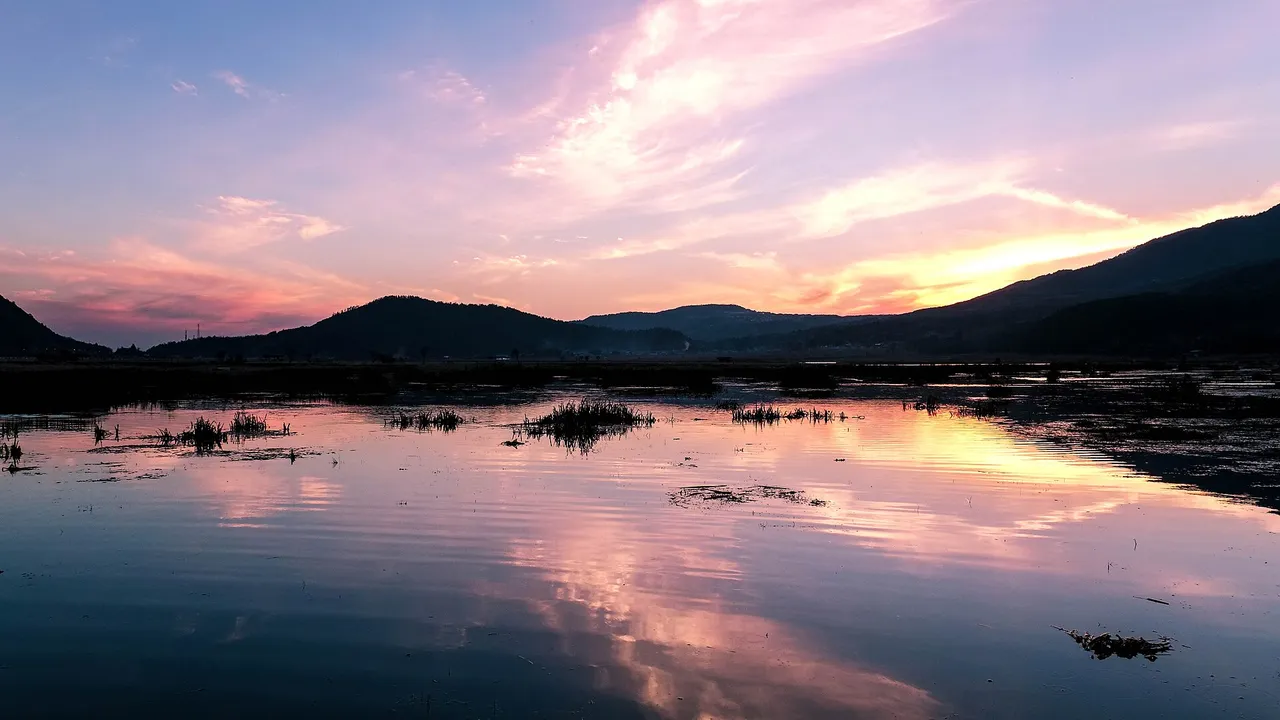
| D1 17:00 | Dusk at Wild Duck Lake, and Out |
| D2 09:00 | The Volcano Museum and Dakong Mountain |
| D2 14:30 | The Columnar Joints: An Afternoon Geological Easter Egg |
| D3 08:30 | Beihai Wetland: Morning on the Mats |
| D3 14:30 | Dongshan Grassland: An Afternoon on the Highland Meadow |
| D4 09:00 | The Big Boiling Pot at Rehai: The Geothermal Climax |
| D4 15:30 | Hehua Hot Spring: A Soak after the Nap |
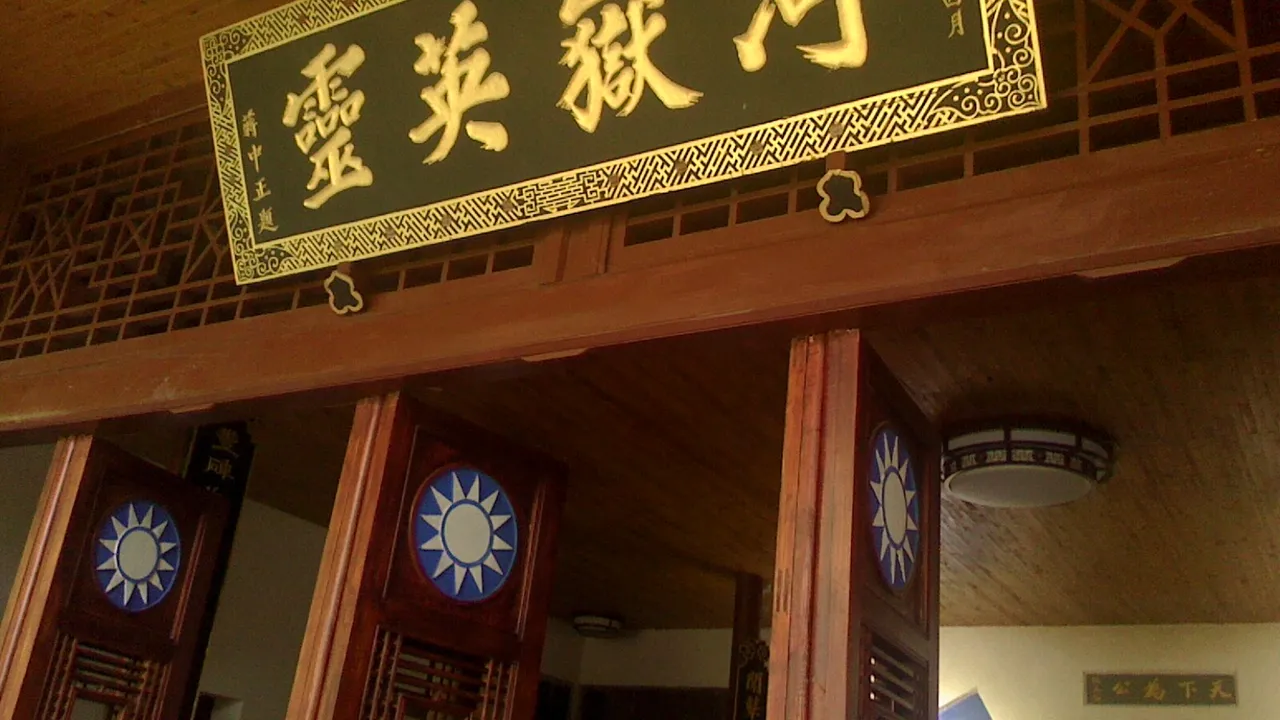
| D5 08:30 | The National Cemetery and War Memorial Hall |
| D5 14:00 | Qiluo Ancient Town and a Free Close |
The route, stop by stop
Heshun Library: Opening the Five Days
Give day one wholly to Heshun, entering as the library opens. This rural library, built in 1928, is the key to understanding the emigrant hometown: the paifang gateway, rare-text cases and Republican borrowing registers all on the ground floor. Forty minutes of exhibits, ten minutes in the courtyard.
After half past nine, follow the Wenchang Temple and the Shuanghong bridges into the lanes; the pre-noon hours, before crowds thicken, are the day's most comfortable two.
Washing Pavilions and the Xianhe: Heshun, Following the Water
From the library, follow the Xianhe downstream past the washing pavilions, where villagers rinse and beat laundry as they have for six centuries. Wild Duck Lake arrives right at lunchtime; eat Da Jiujia and the tupotuo lakeside or in the lanes.
Spend the afternoon inside Wanlouzi and the lanes, exiting at dusk. No night program on day one; a jet-lag-style slow start is the basic craft of a five-day line.
Dusk at Wild Duck Lake, and Out
Return to Wild Duck Lake at dusk to watch evening sink into the water, whitewash and ducks in one frame. Buy a pine-pollen cake to eat walking, and catch the bus at the main gate.
Dinner is copper-wok beef at the downtown night market, setting the five days' appetite: light, fresh, with charcoal in it.
The Volcano Museum and Dakong Mountain
Day two heads north to the volcano park, museum first, then up Dakong. The 598 steps end at the rim of a crater fifty meters deep, and on calm clear mornings the balloon lifts to lay the whole volcano field below.
Two hours down, with lunch a local bowl of ersi on the Mazhan street, honest and cheap.
The Columnar Joints: An Afternoon Geological Easter Egg
Stop on the way back at the Longchuan riverbank for the columnar joints, hexagonal columns ranking from cliff top to water, no climb from the platform. Forty minutes, back downtown before four.
Sleep early: day three's wetland and grassland demand the most legs of the five.
Beihai Wetland: Morning on the Mats
Enter Beihai at dawn for the mist and first boats, riding in before stepping onto the springy floating mats. Iris purple runs June to September; autumn brings gold grass and flocks of waterfowl.
An hour on the boardwalk, out before noon, lunch at a farmhouse in Shuanghai village.
Dongshan Grassland: An Afternoon on the Highland Meadow
The afternoon climbs to Dongshan Grassland, meadow rolling to the ridge with cattle and wind turbines scattered across. A free picnic ground where local families fly kites on weekends.
Two hours of strolling and photos, down before sunset. Today is the five days' physical peak; tomorrow loosens.
The Big Boiling Pot at Rehai: The Geothermal Climax
Day four enters Rehai in the morning, walking the Zaotang valley to the Big Boiling Pot, six meters of rolling blue-green water under sulfur-laced mist. Buy steamed eggs and watch the earth boil from behind the rail.
Morning light suits the pot best, and crowds thicken after half past ten, so come early.
Hehua Hot Spring: A Soak after the Nap
Nap downtown at midday, then enter Hehua after four, where forest pools run moderate and forty minutes feels perfect. In winter and spring, evening mist rises off the water, the five days' loosest hour.
Soak, dine, sleep early, and keep the last day for heritage and slack.
The National Cemetery and War Memorial Hall
The last morning belongs to Tengchong's heaviest memory. Hall first, cemetery second runs smoothest: two hours of exhibits, one hour among the headstones, silence the only etiquette.
If slack allows only half a day, this is the stop the five-day line must never cut.
Qiluo Ancient Town and a Free Close
The afternoon goes to Qiluo, a circle of the Wenchang Temple and old street with barely another visitor and a free pace. Spend the slack as it suits: ginkgo season adds Ginkgo Village on impulse, otherwise the downtown jade market and night stalls.
On the last night, sort your tickets and eat a hot bowl of ersi. The Tengchong playbook stands complete here, and whatever remains belongs to the next visit.
| Getting around |
|
| Budget | Entries total about RMB 300 pp; charter days run RMB 300-450 (used three days), four nights cost RMB 600-1600, and meals average RMB 100 a day. |
| Best time | Mid-November to early December is prime, golden ginkgo under steady skies; March-April and September-October run second; in the rains, keep outdoor time to mornings. |
FAQs
Are five days too many, or would four suffice?
Four days finish the spine by cutting Qiluo and the slack day, folding the memorial into day one's afternoon. But the fifth day's slack is the five-day plan's real value, room for weather, tired legs and sudden whims. Families with seniors or children find the five-day nap rhythm far kinder than four compressed days.
How should the five days split between nature and heritage?
This plan runs three nature days, one and a half heritage, half slack, right for first visits. Heritage lovers can compress the wetland-grassland day to half and free a full day for Qiluo and the old streets; nature lovers can halve the heritage day and add a Gaoligong hike. The five-day frame bends far; keep the skeleton, dress it by taste.
Should we stay in Heshun or downtown?
Each has a case: Heshun wins dawn and midnight empty lanes but loses on dining choice and price; downtown wins transport, food and easy charter meetups. The blend is the answer, first and last nights in Heshun, the middle three downtown, the easiest both-and within a five-day frame.
What budget should I plan?
Before long-haul transport, plan RMB 2000-3500 per person: about RMB 300 in entries, RMB 300-500 in shared charters, RMB 600-1600 for four nights, and RMB 800-1200 for food and sundries. Jade and balloon rides are the two uncapped items, so budget them separately; lodging saves thirty percent off season and rises sharply in ginkgo weeks.