
Tengchong's culture runs on two layers: the gravity of the western Yunnan war years, when the 1944 counteroffensive left the cemetery for fallen expeditionary soldiers, and the gentle order of the emigrant hometowns, where those who went out to trade turned their earnings into libraries, ancestral halls and washing pavilions. This day splits between the two: solemn in the morning, warm with daily life after lunch.
Come prepared for weight: the memorial hall's artifacts and footage deserve unhurried time. Heshun at midday is the breathing space, its halls and courtyards running at an easy pace, and Qiluo at dusk draws almost no visitors, the right place to gather the day's feelings. Public bus and taxis chain the whole route; no charter needed.
Itinerary at a glance
| 08:30 | Western Yunnan Anti-Japanese War Memorial Hall: A Border Town's Memory |
| 11:00 | The National Cemetery: Thousands of Stones on a Hillside |
| 13:30 | Heshun Ancient Town: Ancestral Halls and Emigrant Order |
| 16:00 | Qiluo Ancient Town: A Closing Hour with No Crowds |
The route, stop by stop
Western Yunnan Anti-Japanese War Memorial Hall: A Border Town's Memory
The memorial hall shares its grounds with the National Cemetery, so enter the hall at opening. The exhibition runs from the building of the Burma Road to the expeditionary force's entry into Burma, the retreat through the Wild Man Mountains, the occupation of western Yunnan and the 1944 counteroffensive that retook the region, with helmets, swords, Flying Tiger wreckage and civilians' support-the-front tools among the artifacts. Tengchong was among the very few Chinese cities retaken street by street in the war, and the sense of place here is the strongest anywhere.
Photography is allowed but keep quiet, and some rooms are deliberately dim. A careful visit takes two hours; even pressed, give it ninety. Follow the chronological line, and pause a minute at the peace bell by the exit.
The National Cemetery: Thousands of Stones on a Hillside
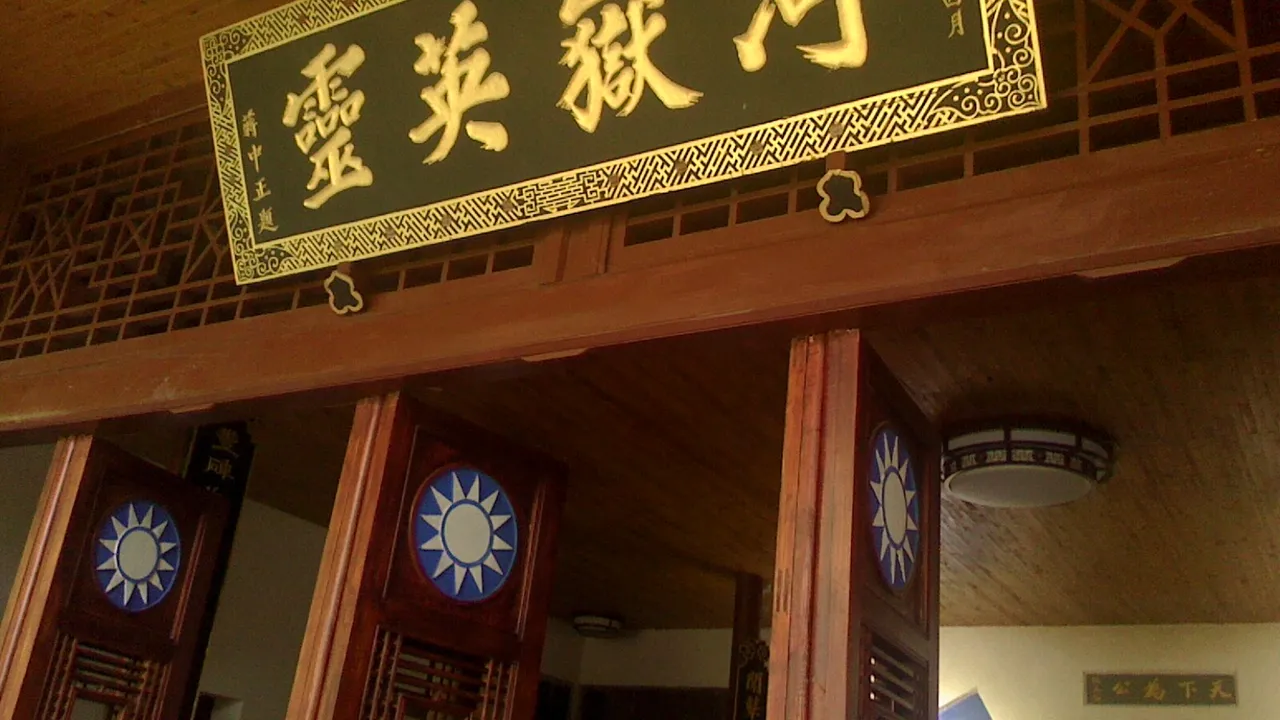
A few minutes on foot from the hall stands the National Cemetery, completed in 1945 for the expeditionary soldiers who fell retaking Tengchong. Behind the Martyrs' Shrine, headstones line the slope in ranks by unit number, covering the whole hillside densely; the moment you finish the steps and turn around, most visitors stop walking.
Etiquette here is silence: no loud talk, no staged photos. The controversial Japanese officer's mound and the expeditionary memorials both sit inside, and the inscribed plaques in the shrine deserve reading one by one. The grounds take about an hour; the shop at the exit funds maintenance, and a postcard counts as support.
Heshun Ancient Town: Ancestral Halls and Emigrant Order
After lunch, enter Heshun with focus on the ancestral halls. Eight great lineage halls face the lanes, among which the Li and Liu halls keep carved gate towers and stone tablets of clan rules, clauses often demanding that every child be schooled. Money earned along the Burma trade came home as halls and charity schools, the soil in which the Heshun Library grew.
By afternoon the tour groups thin; see the Wanlouzi residence for the real parlor of a merchant clan, then walk the main lane to the washing pavilions to watch villagers rinse greens. Dine in town and exit in time for the evening bus back.
Qiluo Ancient Town: A Closing Hour with No Crowds
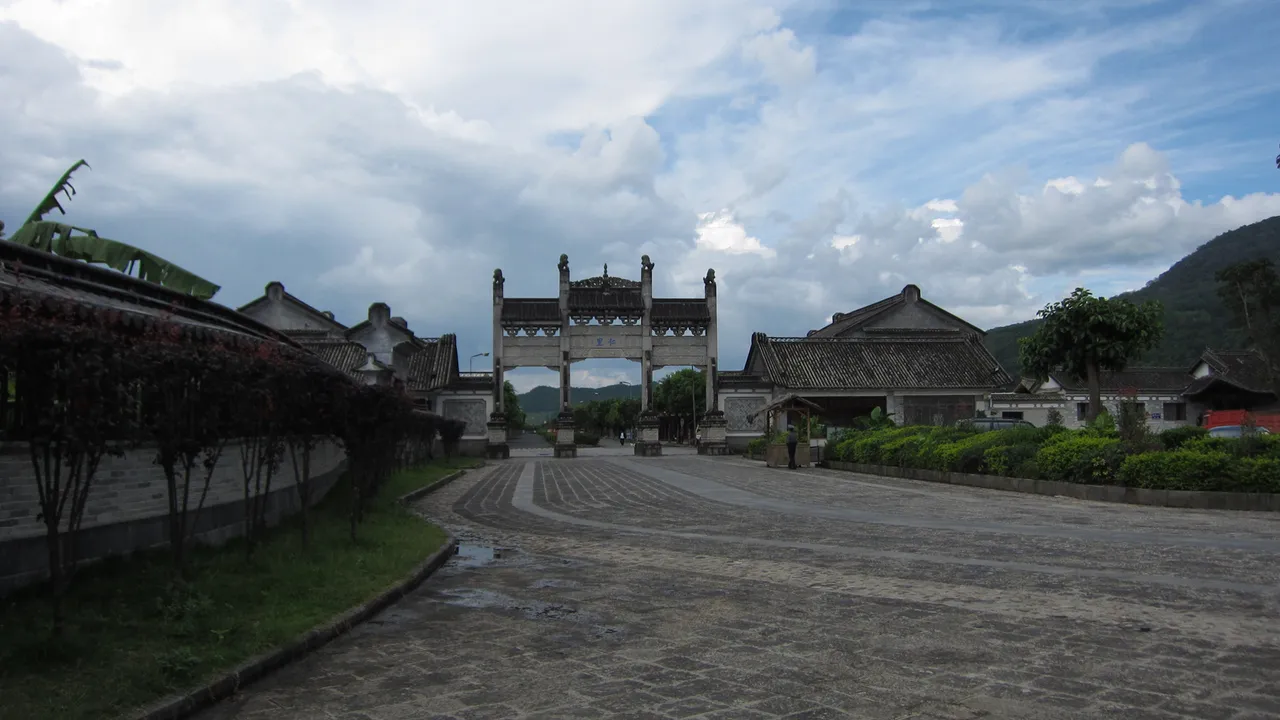
Take a ten-minute taxi from Heshun to Qiluo on the city fringe, more lived-in than Heshun: the Wenchang Temple courtyards stand intact, the village's old layout of islet, lakes and hills persists, and caravan memories and jade stories are carved into lintels. When the Ming traveler Xu Xiake recorded Tengchong, he noted Qiluo under its older name, putting this village into writing even earlier than Heshun.
At dusk the old street holds chess games, children cycling through lane mouths, milk-tea shops and groceries in one row. This town was not built for visitors, and that is precisely its worth. An hour here and you are back downtown for dinner and bed, the day closing just right.
| Getting around |
|
| Budget | The memorial hall and cemetery are free with booking, Heshun entry is RMB 55, and Qiluo is free; a full day costs roughly RMB 80-160 pp including meals. |
| Best time | Year-round; around Qingming and the victory anniversary, memorial ceremonies add crowds but deepen the atmosphere. |
FAQs
How do I book the memorial hall, and can I book same-day?
Entry is free but requires real-name booking through the official account or mini program using ID or passport details. Weekday same-day slots usually remain; around holidays and memorial dates, book one to three days ahead. Foreign passports book the same way and show the original at entry. If slots run out, tour the outdoor cemetery area first and wait for released numbers.
Is the war memorial hall suitable for children?
From upper primary school onward, yes: some footage contains combat scenes, so parents can check the entry guide for the denser rooms and route around them. The headstone ranks make a strong history lesson, so agree on quiet and no running before entering. For younger children, keep to the prologue hall and equipment cases and hold it under forty minutes.
Should I hire a guide for this route?
Strongly yes, at least for the memorial hall: the units, battle sequences and personalities of the western Yunnan campaign interweave, and a guide strings them into one line. Guides in Heshun and Qiluo are optional, though hall tablets and family stories come alive narrated. In-hall guiding runs about RMB 100 per session; guesthouses and visitor centers can arrange local guides at RMB 150-200 for a half day.
What etiquette applies at the cemetery?
Three basics: keep quiet, do not weave between headstones for posed photos, and do not touch the inscriptions. White chrysanthemums are sold at the entrance and left before the Martyrs' Shrine. No strict dress code, but avoid overly casual or flashy outfits; watch children so they do not climb steps or railings. Photos for remembrance are fine, with basic respect for the fallen understood by all.