
Tengchong does not stand on scenery alone; its cultural depth hides in three keywords: the war, the emigrant hometowns, and Xu Xiake. The 1944 counteroffensive wrote its fiercest chapter here; trading caravans turned fortunes into libraries and ancestral halls; and in his final years the Ming traveler Xu Xiake crossed the Gaoligong range to reach this town, writing its hot springs and volcanoes into his journal. Three days, one keyword each.
The pace is deliberately slow: day one needs emotional room around the memorial and cemetery, day two belongs to Heshun unhurried, and day three's Qiluo and Dieshui falls turn the lens from nation back to landscape. No early starts any day; museums and towns open near nine, matching a city wake-up.
Itinerary at a glance
| D1 08:30 | Western Yunnan Anti-Japanese War Memorial Hall: Where the Three Days Begin |
| D1 10:30 | The National Cemetery: An Hour Among the Headstones |
| D1 14:00 | Wenxing Tower and the Tengyue Old Street: From Memorial to Street Life |
| D2 08:30 | Heshun Library: The Spiritual Origin of the Emigrant Town |
| D2 10:30 | The Li and Liu Ancestral Halls: Family Rules Cut in Stone |
| D2 13:30 | Wanlouzi: The Parlor of a Burma-Trade Merchant House |
| D2 15:30 | Ai Siqi's Home and Yuanlong Pavilion: A Philosopher, a Temple, and Dusk |
| D3 08:30 | Qiluo's Wenchang Temple: A Literary Line Older than Heshun |
| D3 10:30 | The Qiluo Old Street: Memory of Caravans and Jade |
| D3 14:00 | Dieshui Waterfall: Where Xu Xiake's Chapter Closes |
The route, stop by stop
Western Yunnan Anti-Japanese War Memorial Hall: Where the Three Days Begin
Enter at opening and give the exhibition your freshest two hours. From the road builders of the Burma Road to the expeditionary helmets and letters home, from the retreat through the Wild Man Mountains to Tengchong retaken house by house, the density of artifacts and footage stands near the top of its class nationwide. Walk the line chronologically and pause at the peace bell before the exit.
Guiding costs about RMB 100 a session, cheap split among six; for visitors with no background in this history, the return is enormous. From November, ginkgo gold frames the outdoor path between hall and cemetery, the overture to this heritage route.
The National Cemetery: An Hour Among the Headstones
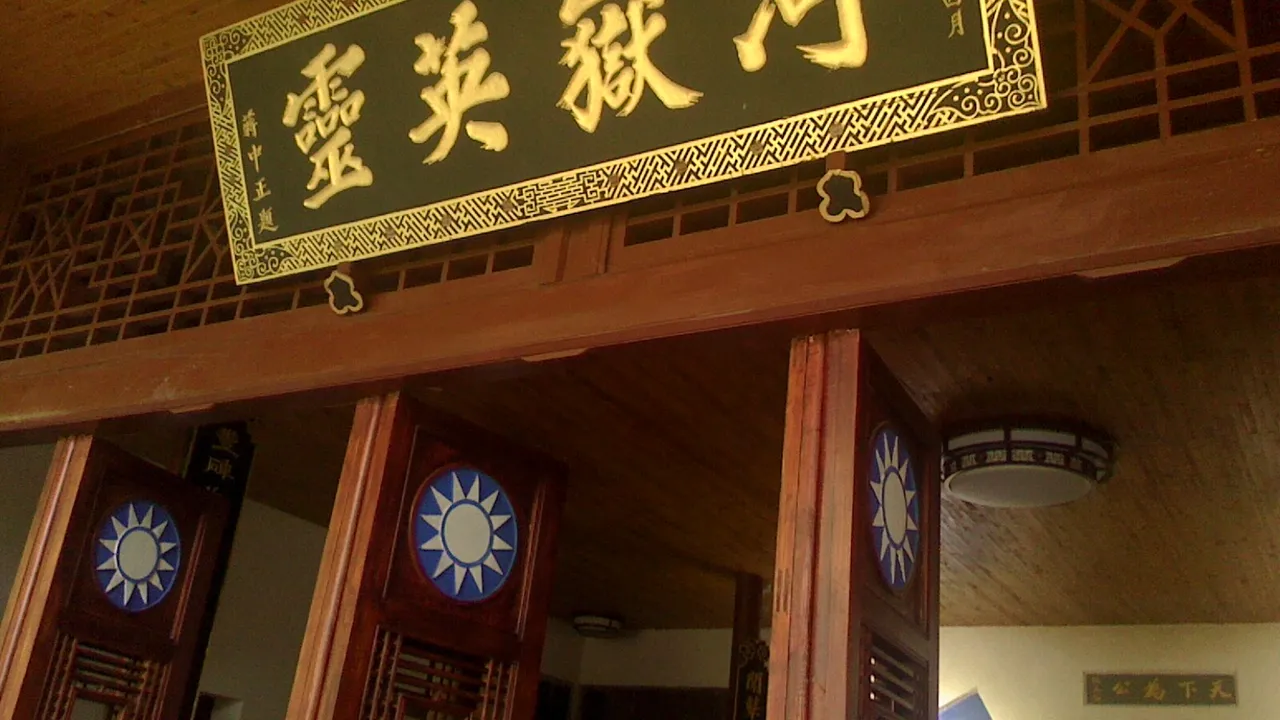
The cemetery sits steps from the hall. Behind the Martyrs' Shrine, expeditionary headstones rank densely up the slope, the border town's most silent view; most names on the stones belonged to men under thirty when they fell. Walk slowly and read a few.
See the Japanese officer's mound and the expeditionary memorials against each other, the verdicts written in the layout itself. Keep quiet, one hour suffices, and choose a light lunch afterward to save a settled stomach for the old town.
Wenxing Tower and the Tengyue Old Street: From Memorial to Street Life
The afternoon switches back to street life. Wenxing Tower, an over-street gate tower in the old town, once stood for the city's literary spirit, and the market under it still bustles. Circle the old street where jade shops, ersi kitchens and vintage barbershops share one block, the radius of local life laid bare.
No tasks here; wander as far as your feet take you. Several snack shops have run for decades, and a bowl ofSA pie or grilled erkuai fills the gap; step into jade shops to study the goods without asking prices, free training for the eye.
Heshun Library: The Spiritual Origin of the Emigrant Town
Give all of day two to Heshun, entering as the library opens. Funded in 1928 by townsfolk working in Burma, this rural library still astonishes with its holdings and architecture: the paifang gateway, Republican-era borrowing registers, well-kept old texts. Understand the library, and you understand the values of a town that turned money into books and schools.
The Wenchang Temple school site behind and the twin Shuanghong bridges in front make a small circuit of forty minutes. Before the tour groups land, the courtyard holds only wind and turning pages.
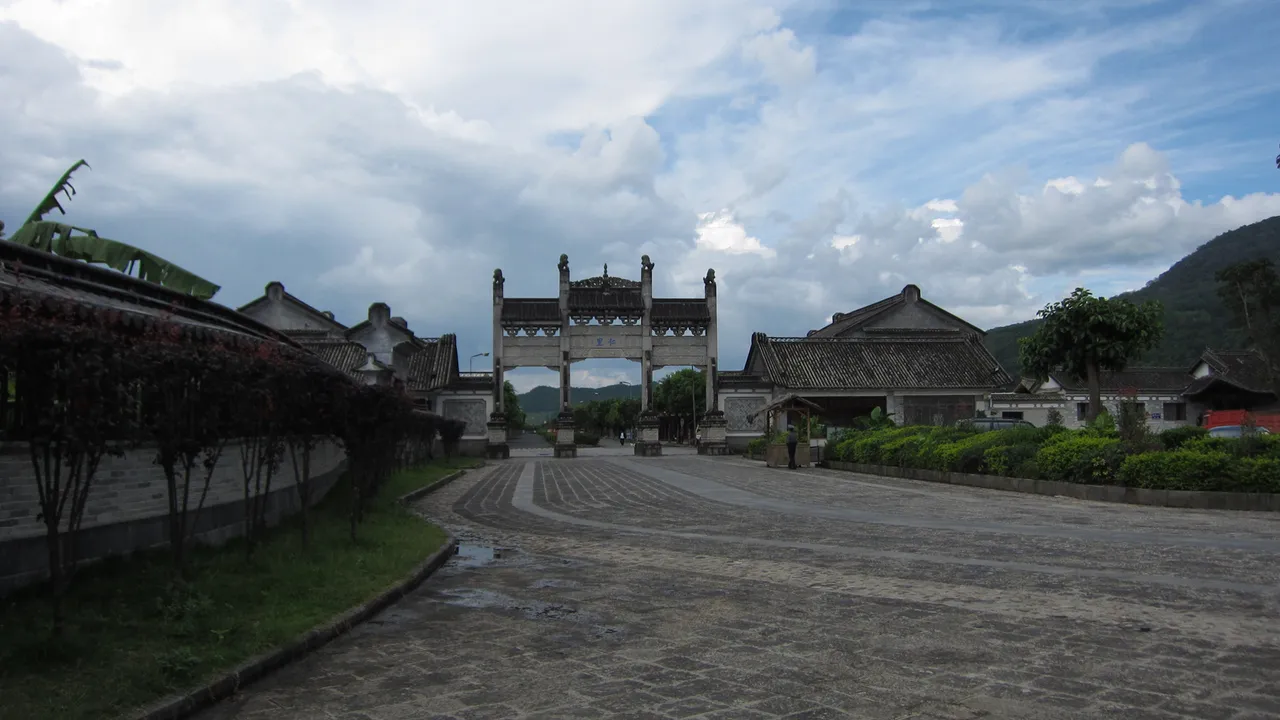
The Li and Liu Ancestral Halls: Family Rules Cut in Stone
Heshun's eight lineage halls climb the slope, with the Li and Liu halls best preserved: carved gate towers, clan-rule tablets and complete altar settings. The clauses recurring in the stone, every child must be schooled, no gambling, are a hometown's self-governance written in rock.
The halls sit quiet most hours, and the doorkeeper will tell you which tablet carries the best story. Two halls take an hour, and walking the lanes between them reads the volcanic-stone wall bases and lintel maxims along the way.
Wanlouzi: The Parlor of a Burma-Trade Merchant House
After lunch, step into Wanlouzi, the complete three-courtyard home of the Li family behind the late-Qing trading firm Yongmaohe, where a British fireplace, Burmese furniture and carved Chinese doors share one compound, a physical sample of how Heshun merchants lived. Read the house, and the phrase going to the foreign side gains a lifestyle.
The ledgers and family letters on display reward slow reading, cross-border business written in everyday script. An hour inside, then a cup of thunder tea at the lane-mouth tea room, a breath between morning and afternoon.
Ai Siqi's Home and Yuanlong Pavilion: A Philosopher, a Temple, and Dusk
Close the afternoon at the town's edge. The philosopher Ai Siqi's former home is a quiet Western-style villa telling his life and the story of Popular Philosophy, while Yuanlong Temple climbs the hillside over the dragon pool where villagers prayed for literary luck. One Confucian, one Taoist, two faces of the emigrant spirit set side by side.
At dusk, sit on the pool's stone rail and watch the whitewash and grey tile darken reflection by reflection. Exit by the main gate for the bus back, and day two in Heshun stands complete.
Qiluo's Wenchang Temple: A Literary Line Older than Heshun
Day three opens in Qiluo on the city fringe. The Wenchang Temple is the village's spiritual center, courtyards and halls well kept, where Qiluo folk once prayed before examinations and before sailing abroad. When Xu Xiake recorded Tengchong in the late Ming, he named this village, putting it in writing even earlier than Heshun.
Village elders often volunteer as guides here, and Qiluo's stories of examinations, caravans and jade land better in their voices. An hour in the temple, then out into the old street.
The Qiluo Old Street: Memory of Caravans and Jade
The Qiluo old street runs short, its lintels and gables still stamped with trading-house marks and caravan-era traces. The village was one of jade's first stations into Tengchong, and stories of carvers and muleteers still circulate. Street life runs strong: grocer, barber and snack stalls each at their own work.
Pea-porridge and grilled erkuai stalls set up around midday; eat standing and move on. If curious, the jade workshop at the village mouth lets you watch a master slice stone, admiring the craft rather than the value.
Dieshui Waterfall: Where Xu Xiake's Chapter Closes
The final stop returns to Dieshui falls on the town's west side, where the Dayingjiang river drops over thirty meters off a fault cliff, one of China's few urban waterfalls. Xu Xiake wrote here that even long droughts never dried it, and the Taiji bridge and viewing pavilion below are originals.
After rain the water thunders; in dry season the flow thins and the cliff's texture sharpens. Walk the cliff path, stand facing the fall for ten minutes, and the three days close inside that roar. Exit straight to town, and sort three days of photos and tickets after dinner.
| Getting around |
|
| Budget | The memorials are free, Heshun's RMB 55 ticket lasts five days, and Qiluo with the falls adds about RMB 50; budget RMB 300-500 pp across three days before lodging. |
| Best time | Year-round; skip holiday group peaks for calmer weekday halls, and trade rain for indoor rooms and sun for old streets. |
FAQs
Do the memorial hall and cemetery need booking?
Both are free with real-name booking via the official account using ID or passport details; weekday same-day slots usually hold, though holidays and memorial dates deserve two or three days' lead. One booking covers both, entrances are separate, and hall first, garden second runs smoothest. Groups may register by phone for collective booking.
Will three days on a heritage line feel monotonous?
Not monotonous, but heavy, which is why day two's afternoon moves to Heshun and day three to landscape: solemnity, street life and nature in rotation. If your companions care less about history, swap day two's afternoon for Beihai Wetland while keeping Qiluo on day three, and both appetites get fed. Heritage routes fail by rushing; cut a stop rather than compress the dwell time.
Should I read anything before this trip?
With half a day to prepare, the highest-yield reading is a summary of the western Yunnan counteroffensive and Tengchong's retaking, plus the few Tengchong pages in Xu Xiake's travel journal. On-site guides cover most background, so you can skip reading and still follow. Documentaries and memoirs are optional; do not let preparation become homework, since learning while walking is part of the trip.
What gear suits this three-day route?
One pair of comfortable shoes outweighs everything else: the cemetery slopes, town slabs and cliff path all test soles. Pack a light raincoat for the wet season and a sun hat for clear days; indoor halls and shrines are dim, so a phone camera suffices. Bring a small notebook, since the inscriptions and plaques offer more quotable lines than you expect.