
Tengchong's nature is a three-part build: volcanoes give it bones, geothermal heat gives it blood, and the forests of the Gaoligong foothills give it a green coat. Ninety-nine volcanic cones ring the plain, more than eighty hot springs breathe steam, and three days suffice to see bone, blood and coat, plus a tree of gold at Ginkgo Village if you come between mid-November and early December.
The loop runs clockwise: day one north to the Mazhan volcano cluster, day two east to Beihai Wetland with Dongshan Grassland on the return, day three first to Ginkgo Village in Gudong, then down to Rehai after lunch and a Hehua Hot Spring soak at dusk. All three nights stay downtown to skip repacking, and one charter for the whole loop saves the most trouble.
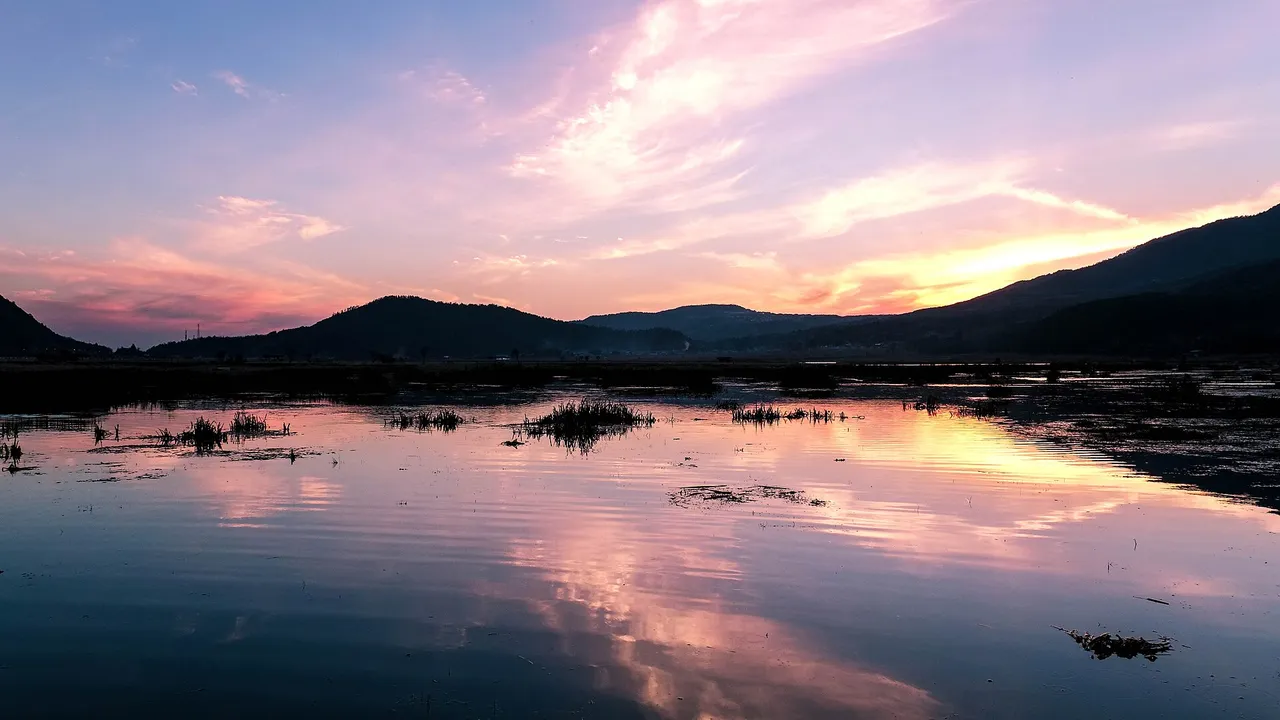
Itinerary at a glance
| D1 08:30 | The Volcano Geology Museum: Read Before You Climb |
| D1 09:30 | Dakong and Heikong: 598 Steps into the Crater |
| D1 14:00 | The Columnar Joints: A Waterfall of Stone by the Longchuan River |
| D2 08:30 | Beihai Wetland: Morning on the Floating Meadow |
| D2 11:30 | Qinghai Lake and Shuanghai Village: Quiet Twins Beside the Wetland |
| D2 14:00 | Dongshan Grassland: A Highland Meadow at the City's Edge |
| D3 08:30 | Ginkgo Village: Twenty Golden Days a Year |
| D3 13:00 | Rehai Scenic Area: The Geothermal Climax |
| D3 16:30 | Hehua Hot Spring: A Forest Finish to the Loop |
The route, stop by stop
The Volcano Geology Museum: Read Before You Climb
The first stop of a nature loop is not a mountain but a gallery. The volcano geology museum at the park's visitor center explains how the Tengchong cluster formed, where the ninety-nine cones sit, and how the Dayingjiang fault links fire and water. Once you grasp that volcanoes and hot springs are one system, every step of the next two days comes with an explanation.
Volcanic bombs and pumice samples can be handled, and children rarely leave on schedule. Forty minutes inside, and you walk out into the mountain's best morning light.
Dakong and Heikong: 598 Steps into the Crater
Morning light suits Dakong best: 598 cinder steps to the rim, a crater fifty meters deep, green floor against black slag walls. Strong walkers add neighboring Heikong, the two cones joined by open cinder country where horseback is the comfortable crossing.
Two mountains, photos included, take about two hours. On a calm clear morning with an early start, the balloon lifts from the rim and lays the whole volcano field beneath you, Tengchong's most expensive view and its most worthwhile takeoff.
The Columnar Joints: A Waterfall of Stone by the Longchuan River
In the afternoon, drive to the Longchuan riverbank for the columnar joints: as volcanic rock cooled and shrank evenly, it split into ranks of upright hexagonal columns hanging from cliff top to river like a waterfall of stone. The viewing platform sits by the road, no climb required, and ten minutes with river wind and the columns' geometry is enough to hook anyone.
The cooling-and-shrinking lesson from the museum turns into scenery here, and the exhibit-then-view order pays back enormously. Forty minutes suffices; head back downtown for dinner and keep evening one free to bank strength for the next two days.
Beihai Wetland: Morning on the Floating Meadow
Enter Beihai Wetland at opening to catch morning mist and the first boats. Ride in, then step onto the mat zone, where roots and humus weave a floating blanket nearly a meter thick, sinking softly and springing back underfoot. Dawn often lays thin fog on the lake; in iris season the purple runs to the horizon, while autumn and winter turn the grass gold and bring the waterfowl.
The lakeside boardwalk runs two kilometers, about an hour round. On the mats, wear the life vest, since the water below is deep enough to lose things in. Two hours and out, with farmhouse lunch waiting in Shuanghai village.
Qinghai Lake and Shuanghai Village: Quiet Twins Beside the Wetland
West of the wetland lies Qinghai, a lake truly nested in a crater saddle, its color shifting with the light, the shore quiet enough to hear waterbirds beat their wings. The village pinched between the two lakes is Shuanghai, where farmhouse grilled fish and mountain greens are the local signature.
Stroll the village half an hour after lunch, watching egrets and farmwork. This stop is the nature loop's buffer zone, slowing the pace to save the afternoon's best legs for Dongshan Grassland.
Dongshan Grassland: A Highland Meadow at the City's Edge
Afternoon climbs to Dongshan Grassland, Tengchong's own little New Zealand: rolling meadow to the ridgeline, cattle and sheep scattered across it, wind turbines and cloud shadows the only moving things. Once an army horse ranch, it is now a free picnic and kite field where local families spread blankets on weekends.
The grassland sits high and windy, with fierce midday ultraviolet, so bring hat and jacket. Two hours of strolling and photos, then descend before sunset and reach town right at dinnertime. In the rainy season the field turns boggy and cars park below for a walk up.
Ginkgo Village: Twenty Golden Days a Year
Day three drives north to Jiangdong Village in Gudong, the Ginkgo Village of local speech. Over three thousand old ginkgo trees, most centuries old, turn fully golden from mid-November to early December, dropping farmhouse yards, stone lanes and eaves into gold that crackles underfoot.
Outside the season the village returns to quiet whitewash and grey tile, still itself, but the golden ocean opens only in that short window. Most family courtyards charge a few yuan to enter for tree-shaded tea-table photos, and seasonal ginkgo chicken stew makes the farmhouse lunch.
Rehai Scenic Area: The Geothermal Climax
Afternoon returns southwest to Rehai. The two-kilometer Zaotang valley trail strings the Pearl and Drumming springs to the Big Boiling Pot, six meters across and near ninety-seven degrees, blue-green water rolling under white mist laced with sulfur. The scene the Ming traveler Xu Xiake wrote down four centuries ago runs unchanged today.
Buy a string of vapor-steamed eggs at the pot, the most ceremonial snack of the trip. If two days of walking have caught up with your legs, take the shuttle straight into the core zone and save your strength for tonight's soak.
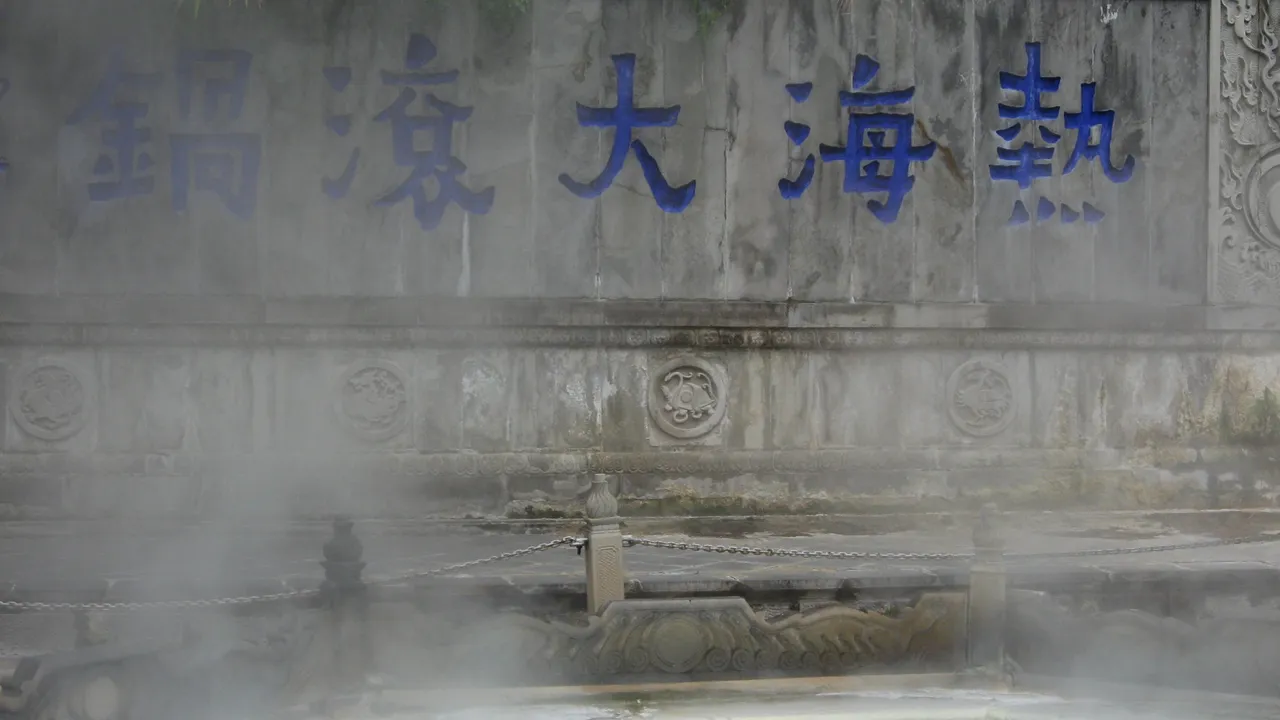
Hehua Hot Spring: A Forest Finish to the Loop
By evening you reach Hehua Hot Spring southwest of town, the loop's final soak in forest pools. The water runs moderate and silky, the open-air pools hide among trees, and in winter steam rises off the surface while you sit in it. Nearby lies the Bapai spring, one of China's few cool carbonated springs you can drink straight.
Forty-five minutes to an hour in the water feels right, stepping out midway to hydrate. The drive back downtown takes about forty minutes; a night-market stroll after dinner closes the loop cleanly.
| Getting around |
|
| Budget | Entries total about RMB 280 pp across the volcano, wetland, Rehai and Hehua; three days of charter run RMB 900-1200 per car, with downtown lodging at RMB 150-400 a night. |
| Best time | Mid-November to early December, golden ginkgo under steady skies, is prime; March-April's mountain blooms and wetland iris run second; avoid the grassland in heavy rain. |
FAQs
How should I negotiate the three-day charter?
Tengchong charters run RMB 300-450 a day, so RMB 900-1200 across three days is fair, covering fuel and the driver's meals but not entries or parking. Fix the three-day order, daily departure times and waiting rules in the deal, best confirmed by WeChat message. Cars arranged by hotels cost slightly more but stay reliable; street touts should be pressed down to market rate before boarding.
Is this loop still worth it outside ginkgo season?
Yes, with a trim: swap the ginkgo leg for half a day in Heshun or Qiluo, while volcano, wetland, grassland, Rehai and the soak ignore the calendar. Spring's mountain blooms and wetland iris add their own layer, waterfalls run fullest after summer rains, and birding peaks in autumn and winter. Ginkgo is the bonus, not the premise.
Should we sleep downtown all three nights or split stays?
Fix downtown first: Tengchong town is compact, every site sits within an hour, and evenings downtown offer the widest, most stable dining. Those wanting a spa night can move night three to a bathhouse near Rehai or Hehua, though hillside options run thin and pricier, and families with seniors or children rest easier downtown.
What does the rainy season demand on this route?
From June to August, afternoon showers are common: push mountain items to mornings and keep afternoons for the wetland boardwalk and the soak; raincoats beat umbrellas on the windy grassland, grippy shoes are mandatory, and the wetland mats stop in strong wind, so stay in touch with your driver to reshuffle. After rain, mountain roads may shed rocks, so never stop for photos at warning signs.