
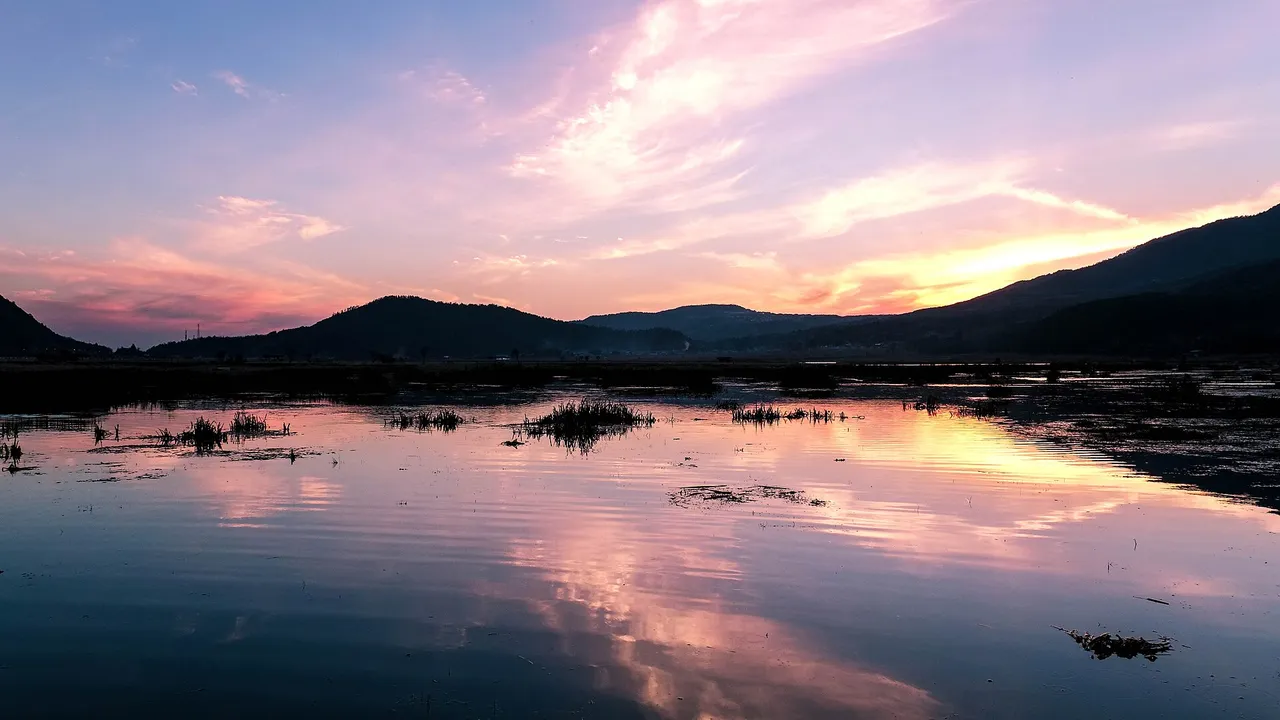
The theme is one word: water. Tengchong never sees the sea, yet water takes every form here: the Dayingjiang dropping off a fault cliff as a waterfall, volcano-dammed twin lakes, meadows woven by grass roots into floating mats, and groundwater boiled by the earth into springs. Three days circle the water and read the town's liquid character entire.
Order the days by temperature: the falls and lakes of day one run cool, the wetland and mats of day two cooler still, the boiling springs and hot pools of day three scalding, a slow bath from cold to hot. In the rainy season, June to August, mind water levels and trails; in dry months, mind the falls' flow.
Itinerary at a glance
| D1 09:00 | Dieshui Waterfall: A Fault Drop in the Middle of Town |
| D1 10:30 | Taiji Bridge and Longguang Terrace: One River, Two Views |
| D1 16:00 | Wild Duck Lake at Heshun: A Dusk Close on the Water |
| D2 08:30 | Beihai Wetland: Boats and Morning Mist on the Mats |
| D2 11:00 | Qinghai Lake and Shuanghai Village: Twin Lakes in a Crater Saddle |
| D2 15:00 | The Xianhe Waterline at Heshun: An Afternoon under the Washing Pavilions |
| D3 09:00 | The Zaotang River at Rehai: A River That Steams |
| D3 11:30 | The Big Boiling Pot: Water at Its Hottest |
| D3 16:00 | Hehua Hot Spring: Water's Last Stop Is Tenderness |
The route, stop by stop
Dieshui Waterfall: A Fault Drop in the Middle of Town
Day one starts with the Dayingjiang's water. Dieshui ranks among China's few urban waterfalls, the river dropping over thirty meters off a fault cliff, thunderous and misty in the rainy season; Xu Xiake came here on purpose and wrote that long droughts never dried it. The Taiji bridge and viewing pavilion below are old structures, and the bridge holds the fall's best frontal frame.
The site is compact, an hour around. Morning light runs favorable, and midday spray catches rainbows in sun. Afterward, a ten-minute riverside greenway walk brings you to downtown breakfast stalls, the water sound all the way.
Taiji Bridge and Longguang Terrace: One River, Two Views
Inside the falls area, Taiji Bridge stands beneath the drop, its center stone carved with the taiji emblem, a relic of the Republican era; Longguang Terrace climbs the opposite cliff, and from its pavilion the fall reads in profile and panorama. Under an hour for both, yet you see one river's two tempers.
The stone steps from bridge to terrace run along wet cliff, so hold the rail. After a day of rain, this stretch carries the loudest water sound of the whole trip.
Wild Duck Lake at Heshun: A Dusk Close on the Water
By evening, enter Heshun straight for Wild Duck Lake. The water is small, but whitewash and grey tile ring it whole, ducks paddle the surface, and sunset gilds every reflection. Twenty minutes around the shore, then a stone bench and doing nothing at all: the loosest close to day one.
Grilled erkuai and pine-pollen cakes from lakeside stalls make teatime for a five-yuan budget. Leave town before dark and ride the bus back for dinner.
Beihai Wetland: Boats and Morning Mist on the Mats
Day two heads north early to Beihai Wetland, a floating meadow evolved from a volcano-dammed lake, boats threading between mats that heal the cut channel slowly behind the stern. Mist is common at dawn, mats, waterfowl and far hills all silhouette; from June to September iris purples the lake, and autumn turns the grass gold.
Step onto the mat zone to feel the breathing ground, life vest fastened. The lakeside boardwalk takes an hour; leave before noon for lunch in Shuanghai village.
Qinghai Lake and Shuanghai Village: Twin Lakes in a Crater Saddle
West of the wetland lies Qinghai, a lake truly nested in a crater saddle, its color shifting with the light, its shore free of noise. The village pinched between the two lakes is Shuanghai, where farmhouse grilled fish and mountain greens are the local signature; eat in a courtyard with the wetland's own water underfoot.
Stroll the village half an hour after lunch, watching egrets and farmwork. This stop runs slow, saving the afternoon for any viewpoint on the road back downtown.
The Xianhe Waterline at Heshun: An Afternoon under the Washing Pavilions
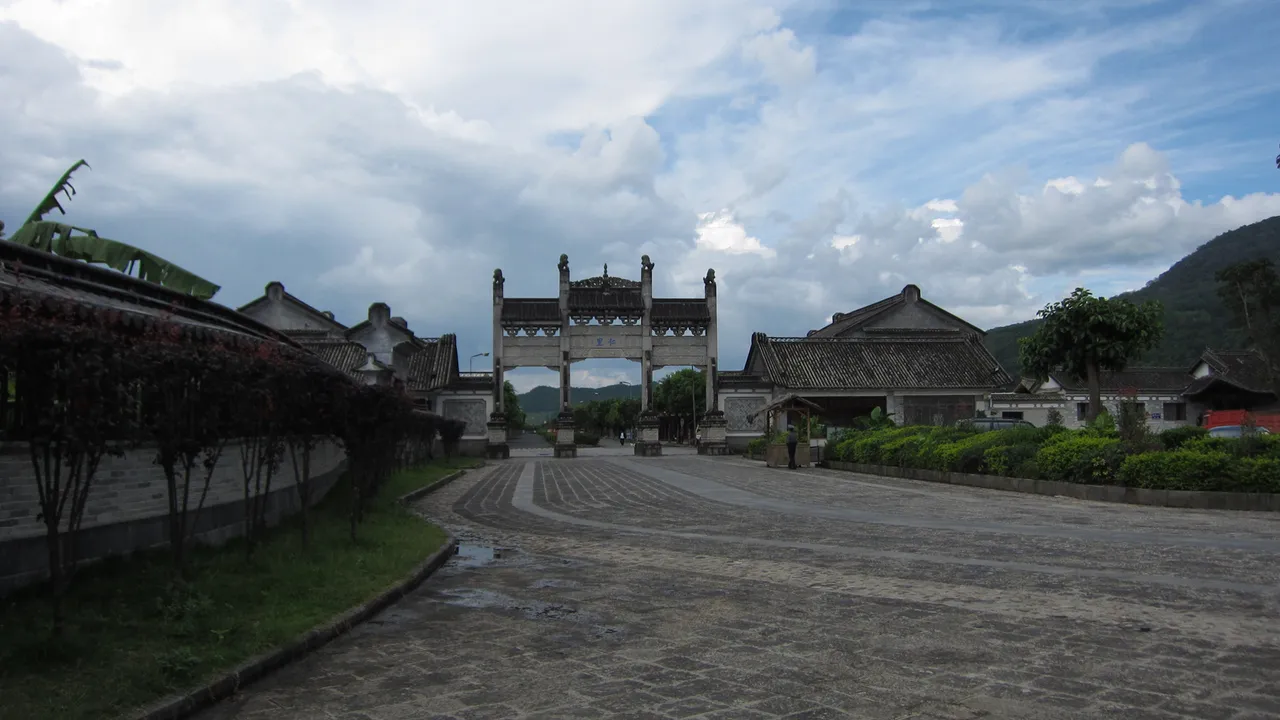
The afternoon folds back to Heshun and gives itself to the Xianhe waterway, which strings the washing pavilions through town: while forebears traded abroad, the women at home waited and washed by the water, and the pavilions were built for them. Villagers still rinse and beat laundry beneath, the bond between water and life unbroken.
Follow the water to Wild Duck Lake and back to the main gate, an unhurried afternoon. Exit at dusk, with the Rehai transfer waiting on day three.
The Zaotang River at Rehai: A River That Steams
Day three enters Rehai, but resist rushing to the Big Boiling Pot and walk the Zaotang river valley slowly. Springs bubble along the banks, white mist hangs over the water, and even the bridge rails feel warm. This two-kilometer trail is itself the attraction, water escaping the ground as vapor.
The Pearl Spring's bubbles string like beads, and the Drumming Spring's note shifts with the pressure. An hour's walk reaches the pot ahead of the late-morning crowds.
The Big Boiling Pot: Water at Its Hottest
Rehai's core is a pot of boiling water: six meters across, near ninety-seven degrees, blue-green and rolling whole, white mist rising, the temperature summit of the three days and the exclamation mark on the theme of water. Watch ten minutes from behind the rail, buy a string of vapor-steamed eggs, and feel the earth at a boil.
Eat a simple lunch at the park exit, nap at the hotel, and save the soak for after four, when both water and air feel kindest.
Hehua Hot Spring: Water's Last Stop Is Tenderness
By evening you reach Hehua Hot Spring, where the water route ends gently in forest pools. The springs run warm rather than fierce, open-air pools hide in tree shade, winter lays mist on the surface, and soaking to the shoulders closes the circle that the falls, lakes, mats and boiling pot drew across three days.
Forty minutes to an hour in the water, out midway for water to drink. Return to town slowly and end with a hot bowl of ersi, a proper farewell to the route.
| Getting around |
|
| Budget | Entries and boats total about RMB 250 pp across wetland, falls, Rehai and the soak; three days of charter run RMB 900-1200 per car. |
| Best time | Late rainy season, September-October, brings the fullest falls; ginkgo season, mid-November to early December, tints the lakeshores; summer favors lake mornings and afternoon soaks. |
FAQs
Will these three days overlap with other Tengchong routes?
The water route shares Rehai and Beihai Wetland with the classic line, but the lens differs: the classic one ticks sights, the water one advances by temperature and form. If the classic line is done, keep only day two's wetland and Qinghai plus day three's Hehua, and replace day one with a Gaoligong hike or a deep Heshun walk.
What are the rules for hot-spring soaking?
Never soak hungry, stuffed or after drinking; keep sessions under twenty minutes and rise slowly; anyone with hypertension, heart conditions or pregnancy should consult a doctor first. Public pools require a shower before entry and proper swimsuit and cap. Hydrate after soaking, and avoid hard exercise and long drives for two hours.
Is the water route safe in the rainy season?
Broadly yes, with three cautions: falls and valley trails turn slick and may close after rain, so check notices before setting out; the wetland mats ground in strong wind, so keep the schedule elastic; and mountain roads lose visibility in rain and fog, so pick an experienced driver. Obey every rail and warning sign, and stay clear of river channels when water rises fast.
Can non-swimmers enjoy the mats and boats?
Yes. Boats and mat experiences mandate life vests with staff on watch; depth does not equal danger when you follow the rules. The nervous can start on the lakeside boardwalk and board once settled; children must wear vests throughout and stay in sight, and on the water, plant your feet before raising any camera.