
Chaka town is small, thirty minutes end to end, yet this salt-worker town's rhythm deserves a full day of syncing. The walking line strings town life, the lake boardwalk, the platform panorama and the night sky into one day, and even without a paid gate captures half of Chaka's soul.
The point is slowness: the plateau town's morning belongs to breakfast stalls and school kids, the afternoon to teahouses and repair shops, and by evening the town edge watches the sky redden toward the salt pan. At 3,100 m, walk at half your usual speed.
The walking day spends legs by gradient: flat boardwalk in the morning, steps at the afternoon platform, level stargazing at night, a controllable load. Town signal stays solid and navigation works, though points toward the lake drift on the map, so trust the road signs.
Itinerary at a glance
| 08:30 | The Chaka Town Morning Market: How a Salt Town Opens Its Day |
| 10:30 | The Salt Lake Boardwalk: Walking Close to the Water |
| 15:00 | The Chaka Viewing Platform: Taking In the Whole Salt Flat |
| 20:30 | Stargazing at the Town Edge: The Milky Way over the Salt Pan |
The route, stop by stop
The Chaka Town Morning Market: How a Salt Town Opens Its Day
The town market is small but solid: hot bread and steamed buns, freshly boiled milk tea, yogurt sold by the bowl, the stallholders mostly local Hui and Tibetan neighbors. Take a staple and a hot drink, eat standing at the stall, the standard opening move of a plateau town.
The streets around show the salt works' old dormitories and a rail crossing; Chaka's town-for-salt history sits in the age of its buildings.
The lane-end bakery leavens with old starter, firing times chalked on a board by the door; next to the corner garage a twenty-year teahouse pours boiled tea at five yuan a bowl all morning, the best seat for town news.
The Salt Lake Boardwalk: Walking Close to the Water
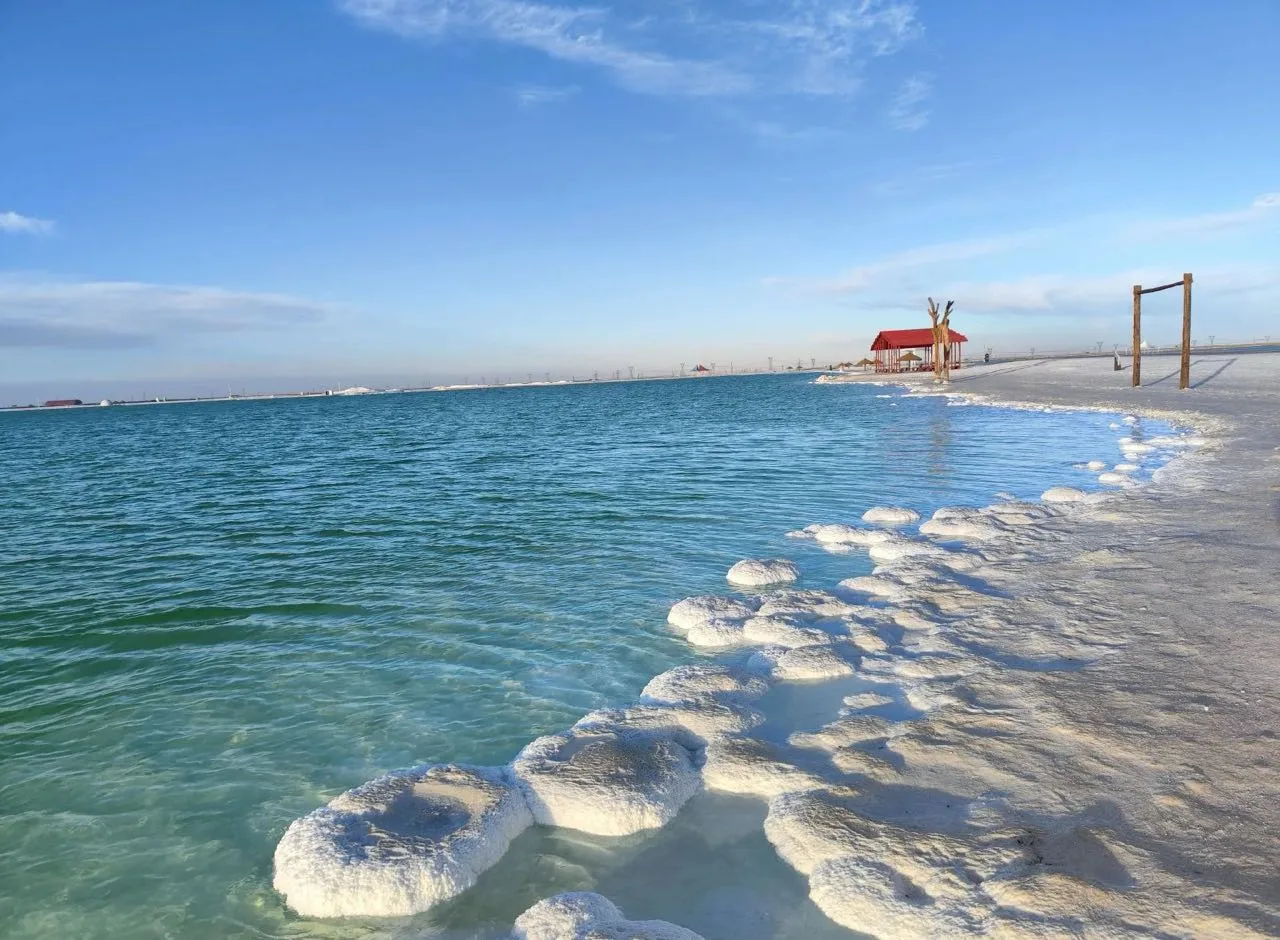
Late morning leaves the boardwalk uncrowded, the best hour to walk beside the water. The timber path runs from shore toward the lake between crystallized salt crust and shallow brine, the surface mirroring clouds in fine weather. Stay near for the waders' bustle, or push out for a quiet stretch of shore.
The boardwalk is level, an hour out and back. The pan's glare is fierce, so hat, sunglasses and sunscreen are all non-negotiable here.
A platform mid-boardwalk reaches over the water, the closest position for crystal textures; small pools in the salt crust make natural frames, and a low crouch adds a layer to any shot.
The Chaka Viewing Platform: Taking In the Whole Salt Flat
After three the light softens, and the platform's height takes in the whole salt flat at once: the grid of crystallizing ponds, the straight lines of harvest rails, the layered ridges beyond. From up here you understand Chaka is not one mirror but a white land cut into geometry.
Stay forty minutes to an hour, and better still return toward dusk, when the platform becomes the town's finest shooting position at sunset.
The platform's stairs split two sides, the sunny face scorching by afternoon, the shaded face kinder but windier; families with children take the shade hand in hand, and never lean on the sections without glass rails.
Stargazing at the Town Edge: The Milky Way over the Salt Pan
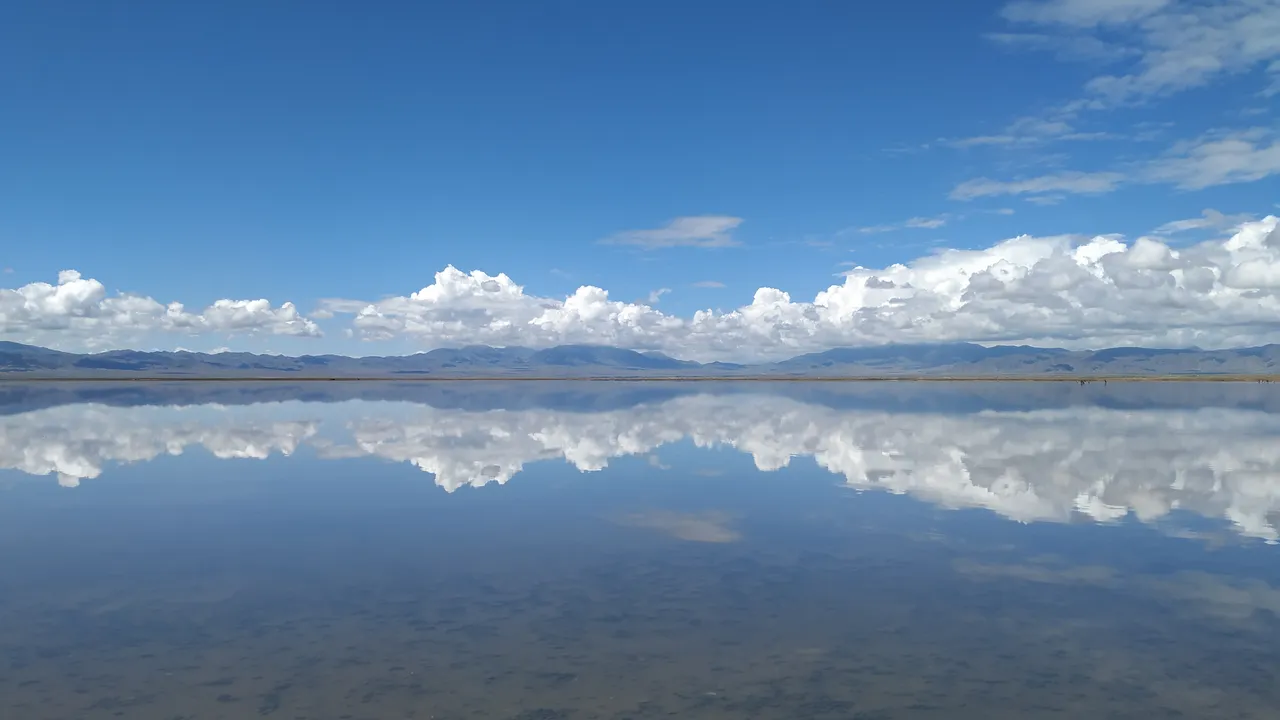
Chaka's light pollution is minimal, and from the town edge facing the lake the plateau Milky Way shows itself. After ten the galaxy climbs into position with a clean horizon toward the pan; when stars reflect in the distant shallows, this is the town's most extravagant free show.
Twenty to thirty minutes suffices; the lakeside sheds heat fast at night, so down jacket and a hot drink are standard. Sleep early after, sunrise still to come.
The town edge's best stargazing sits on the open ground near the small bridge, three steps from the lamps dropping the glare a full grade; the Milky Way fades under half and full moons, so check the lunar phase before picking the night.
| Getting around |
|
| Budget | About RMB 80-150 pp for the day: town meals run cheap, the boardwalk and town are free, and the platform sits inside the scenic ticket. |
| Best time | Walkable year-round, best felt June to September; at about 3,100 m, halve your usual walking pace. |
FAQs
How do I choose lodging in Chaka town, and what is it like?
The town runs guesthouses and simple hotels, plain but usually with heating, hot water and private baths; book a day or two ahead in season. Judge on three points: distance to the main street, heating, stable hot water. Gate-side hotels cost more, so the town is the value play.
Can I actually see the lake on a walking day without entering the park?
Partly: the boardwalk and the town-edge direction both offer open lakeshore views, and sunrise, sunset and stars need no ticket. But wading, the salt sculptures and the deep train section live inside the park; on a budget take the town walk plus boardwalk, and buy in only for the classic mirror shots.
Is eating in town expensive, and what is essential?
Town food is fairly priced, with noodle sheets, kang-pot mutton and yogurt as the three essentials, thirty to sixty yuan per person per meal. Gate-side restaurants mark up hard, so eat proper meals in town; choose kang-pots fired to order and local mutton, light in gaminess. Teahouses rest you cheap and warm.
Anything special about walking a town at altitude?
Three rules: halve your pace, slower still on slopes and steps; the air is dry, drink hourly and carry lip balm; ultraviolet stays fierce even under clouds, so hat and sunglasses stay on all day. Nights cool fast, so always carry one extra layer.