
Chaka's culture lives not in a museum but in salt pans, salt sculptures and pasture. The lake's harvest record reaches back over two thousand years, and the salt workers' methods, the folk narrative riding the sculptures and the Mongolian legend around Jinzihai form a complete Qaidam culture line.
Four stops in a day, two on the lake in the morning, one deep in the steppe after noon, night back in town. The Jinzihai round trip runs about three hours of driving, making a charter the only realistic play; agree waiting time with the driver before setting out.
The culture day watches what is still in use: ponds still crystallizing, sculptures still under repair, range still grazed, teahouses still churning milk tea. Walk with that eye and the sights stop being scenery and become life in progress.
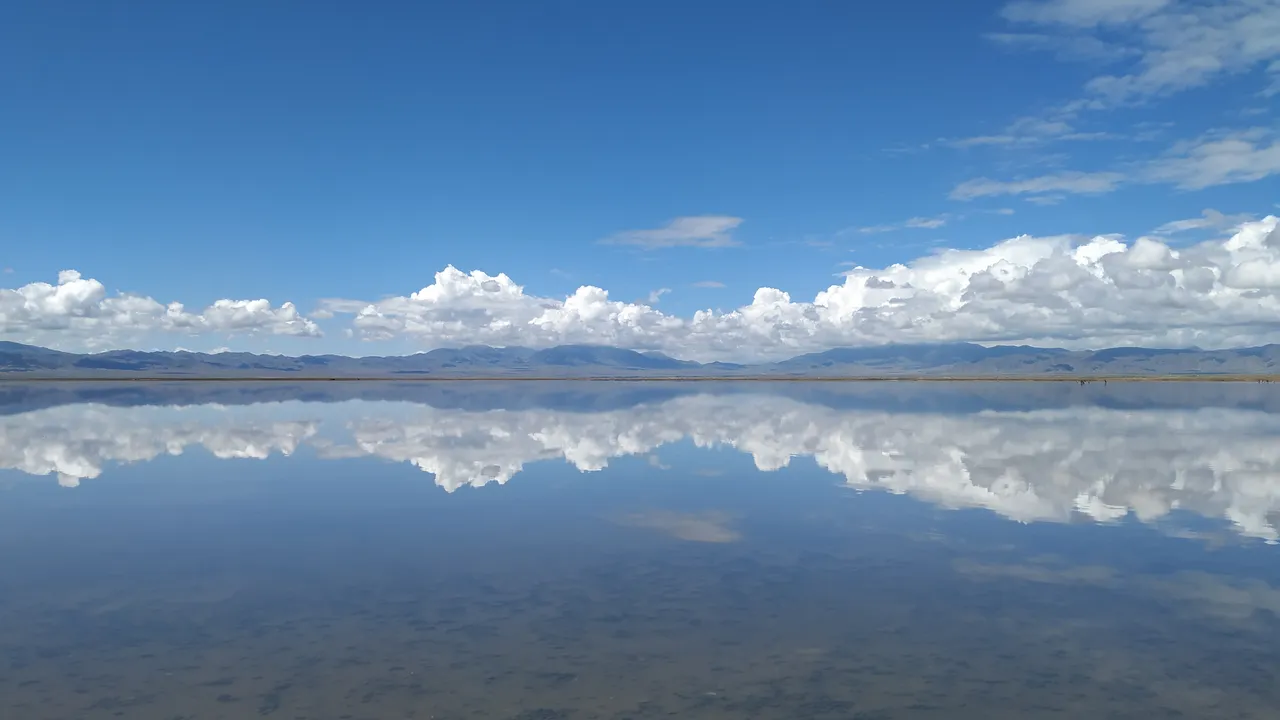
Itinerary at a glance
| 09:00 | The Chaka Salt Fields: Reading Two Thousand Years of Harvest |
| 11:00 | The Salt Sculptures: Folk Narrative Set in Salt |
| 14:30 | Jinzihai: The Golden Legend Deep in the Steppe |
| 19:00 | Chaka Town at Dusk: The Evening Routine of Mixed Streets |
The route, stop by stop
The Chaka Salt Fields: Reading Two Thousand Years of Harvest
Chaka's salt record runs back before the Western Han, a genuine thousand-year salt ground. The crystallizing ponds and harvest rails by the lake keep the full trace from hand labor to mechanized work, old timber tracks and modern harvest boats in one frame, the entrance to understanding this salt town.
Walk the visitor path along the pans' edge and watch brine crystallize step by step through the ponds. Salt no longer anchors the town's economy, but it still supplies the town's surname.
Beside the pans' path sit old and new tools side by side, wooden rakes and a mechanical harvester within meters of each other, two thousand years and twenty in one frame; the signs are spare, and the objects speak louder than the words.
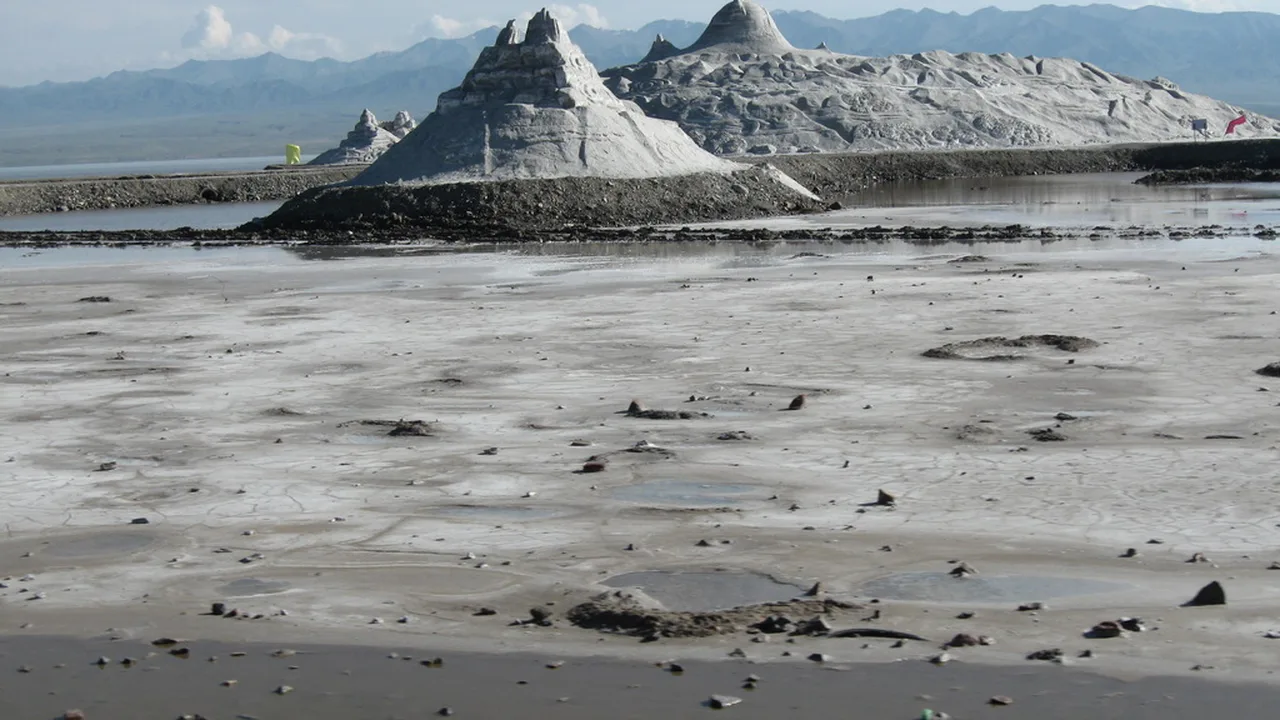
The Salt Sculptures: Folk Narrative Set in Salt
The sculptures are how Chaka stands folk story upright: the Queen Mother of the West's jade pool, the steppe epic of Genghis Khan, Tibetan and Mongolian auspicious motifs, all raised from local salt. The best angle is not head-on but the side view, where light passes through the grain of the salt.
Interpretive signs are thin, so do light homework or borrow ten minutes of a guide's commentary; salt sculptures read and unread are two different objects.
Jinzihai: The Golden Legend Deep in the Steppe
Jinzihai is a freshwater wetland at the desert's rim, its legend tied to buried gold, held sacred for generations by Mongolian herders. Crescents of dune ring the water, birds, reeds and sand-lines sharing one frame, the most contrasting picture in the Qaidam Basin.
There are no big attractions here, and that is the point: walk the wetland's rim, watch birds, listen to wind. The afternoon sun turns the dunes gold, living up to the name.
Jinzihai's birds lift and land once each at dawn and dusk, so an early afternoon arrival can hold for the evening show; the wetland water is fresh and clear to the bottom, sharply divided from the gobi's dusty yellow behind, and the boundary line makes the most interesting portrait.
Chaka Town at Dusk: The Evening Routine of Mixed Streets
Back in town by dusk, the culture line's last lesson plays on the street: Hui neighbors' fried-dough stalls and halal kitchens, Tibetan herders' motorcycles in for supplies, Mongolian elders in the teahouses, several tempos of life running side by side on one main street.
Dinner stays in town, kang-pot mutton or a bowl of gaomianpian. Walk the main street after, shops closing in sequence as lights come on, the plateau town's most ordinary and most precious image.
The main street's dusk lamps glow warm yellow, nothing like the cold white of big cities; the fried-dough stall discounts before closing, a bag of fresh dough twists pairing perfectly with tomorrow's train. After the shops shutter the street falls quiet, broken only by motorcycles herding home.
| Getting around |
|
| Budget | Lake entry about RMB 60, Jinzihai mostly herder-run for a small fee; the day with charter runs about RMB 300-500 pp. |
| Best time | May-October is best; the Jinzihai road is rough, so two-wheel-drive cars should hesitate after rain, ask the charter about the vehicle first. |
FAQs
Is Jinzihai worth a dedicated trip?
Yes, with managed expectations: it is raw wetland and dune country, not a built attraction, and its virtues are thin crowds, stark contrast and high photogenic yield. Skip it when rain has wrecked the road; a three-hour-plus round trip fits best across afternoon into dusk.
Do the salt fields and sculptures share one ticket?
Yes, the pans' viewing strip and the sculpture zone both sit inside Chaka's lake entry (about sixty yuan), train extra. For harvest culture, enter from the pans' side in the morning for the cleanest route; for sculptures alone, come in by the sculpture plaza.
How to choose between a culture day and a pure photography day?
Follow your aim: to understand why Chaka exists and how salt and steppe shaped it, take the culture line; for mirror portraits and pan heroics, run the photographer's clock of dawn wading and dusk platform. The core hours overlap, the difference is how you split time between the pans and Jinzihai.
What matters when moving around the pastoral areas?
Four rules: never enter fenced range or among flocks uninvited, ask herders before shooting; dogs run loose, give them a wide berth; do not disturb waterbirds or nesting zones at the wetland; and pack out all trash, plateau wetlands decompose nothing fast. Respect is the steppe's passport.