
Chaka's table logic is simple: the highland pastures raise fine mutton, the salt-lake sun sets yogurt, and highland barley supplies honest staples. Eating through yogurt, noodles, mutton and kang-pot in one day reads the Qaidam Basin's produce cover to cover.
Town kitchens are fair and solid, gate-side ones dear and average, so proper meals always happen in town. Digestion slows at altitude, so keep a third of the bowl in reserve and four sittings a day never feel heavy.
A Chaka day keeps circling a short list, yogurt, barley, mutton and tea, yet each splits into local and imported versions, and backing local kitchens is the whole game. Taste dulls slightly at altitude, so broths run salty and less salt is worth asking for; the post-meal walk here is not optional but mandatory, slow digestion being a direct effect of elevation. Most town restaurants are family runs with short menus, so follow the signature dishes and you will not miss.

Itinerary at a glance
| 09:00 | Qinghai Yogurt: A Bowl with the Yellow Skin On |
| 12:30 | Highland-Barley Staples: A Proper Highland Lunch |
| 16:00 | Chaka Mutton: The Calling Card of Lakeside Pastures |
| 19:30 | The Town Restaurant Night: Kang-Pot and Hot Soup to Close |
The route, stop by stop
Qinghai Yogurt: A Bowl with the Yellow Skin On
The highland day opens with yogurt. Proper Qinghai yogurt ferments from yak milk, setting a yellow skin on top, thick enough to hold a spoon upright, sweetened with white sugar, sour upfront and fragrant on the finish. The town's old yogurt shops are family runs, the first morning batch coolest and freshest.
Yogurt also serves as an all-day callback, aiding digestion after any meal. Sensitive stomachs should go light the first time; at altitude the stomach's rules differ from the plains.
Town yogurt shops split by milk source and ferment time, the old houses' yak version sourer and thicker while newer dessert cafes soften theirs with honey and nuts; sample both, the old shop at morning and the cafe after noon, chaining neatly into a town walk.
Highland-Barley Staples: A Proper Highland Lunch
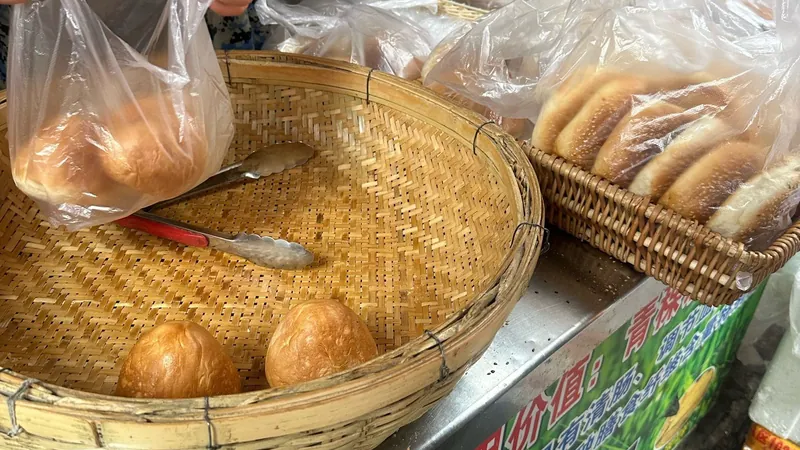
Noon means a proper meal raised on barley. Tsampa, the Tibetan staple, kneads roasted barley flour with butter tea into a ball, feeling coarse to first-timers until the milk tea smooths it; skip tsampa and take barley noodle sheets or barley flatbread, wilder in grain aroma than wheat.
The town noodle houses' gaomianpian and latiaozi deserve naming too, clear broths, hand-torn strands. Starch here is cheap and filling, a dozen or so yuan a bowl, saving stomach capacity for the afternoon's mutton.
Tsampa is eaten by pouring in butter tea, adding dried cheese curds and sugar, then working the bowl with fingers into a ball; skip form on a first try, watch the host demo once and copy, and more tea fixes any crumbling, there is no failing tsampa.
Chaka Mutton: The Calling Card of Lakeside Pastures
The afternoon's main act is Chaka mutton, lakeside pastures raising meat light in gaminess and tight in grain. The local first choice is hand-pulled: boiled by the jin, dipped in salt-pepper or garlic vinegar, with the first bite taken plain, the standard test of good mutton.
The kang-pot is the rowdier version: mutton and onion, potatoes seared to crisp edges in a copper pot, wide starch noodles drinking the juices. Four in the afternoon sits outside meal hours, but many kitchens accept small or shared pots, so just ask.
Judge mutton by the hanging meat: deep bright red with snow-white fat means today's cut, dark and dry says a day old; in the kang-pot eat the charred potato edges first, the soul of the pot, ruined once they cool.
The Town Restaurant Night: Kang-Pot and Hot Soup to Close
The town's restaurants switch to night rhythm, kang-pots, grills and hot soup noodles landing in sequence. A boiling kang-pot of mutton with flatbread and boiled tea at the day's coldest hour is the plateau night's standard kit; for something gentler, a bowl of mutton noodle soup rewarms the whole body.
Chaka's nights fall quiet and kitchens close from nine, so do not dawdle over dinner. A glance at the stars from the town edge on the way back completes the day.
| Getting around |
|
| Budget | Food for the day runs RMB 100-180 pp; mutton sells by the jin, and half a kilo of hand-pulled plus one kang-pot suits two. |
| Best time | Edible year-round; town kitchens open lunch at 11:30 and peak after seven, while gate-side restaurants mark up hard. |
FAQs
What can mutton-avoiders eat in Chaka?
More than expected: yogurt, barley staples, gaomianpian (egg or vegetable versions available), potatoes and seasonal stir-fries are all common, with Sichuan kitchens and halal beef-noodle houses as backups. Most local kitchens are halal and serve no pork, so respect the rule when ordering.
Any dining rules at altitude?
Three rules: eat to seven-tenths, digestion slows at altitude and overeating bloats; favor hot water and tea over alcohol, which amplifies altitude symptoms; start day one with cooked, hot foods and leave raw-cured dishes for later. Mutton soup noodles are the safest plate on the plateau.
Are the restaurants at the scenic gate worth it?
Fine for emergencies, not for proper meals: gate-side prices run thirty to fifty percent over with uneven output. The smart line is something simple at noon inside the park (packed food is best) and a real dinner back in town. The ride takes ten minutes, worth every one.
Is yak yogurt really different from ordinary yogurt?
Clearly: yak milk carries more fat and protein, setting thicker, sharper sour, the yellow skin on top the giveaway. First-timers should add sugar or take a few tastes to adjust; check it was made that day, and the town's old shops rarely miss.