
Wuyishan's countryside was raised on tea: Xiamei the merchants' wharf, Xingcun a market town of rafts and tea houses, Tongmu the home of lapsang souchong, and Wufu's fields growing white lotus and rice. Three rural days skip the famous peaks for tea-growing and lotus-growing villages, slow pace, strong human warmth.
Transport: one charter across all three days; sleep night two in Tongmu or Xingcun, cool mountain nights with starfields and insect song standard. In the April-May season, tea-making is underway and pine smoke hangs over every lane.
Itinerary at a glance
| 第1天 09:00 | Xiamei Village: Starting at the Tea Wharf |
| 第1天 13:00 | Chengcun: The Old Ferry beneath a Han City |
| 第1天 16:00 | Wufu Town: Dusk in the Old Town |
| 第2天 09:00 | Xingcun: A Tea-Country Morning at the Raft Pier |
| 第2天 11:00 | Tongmu Village: The Home of Lapsang Souchong |
| 第2天 15:00 | Da'an Yuan: Closing the Valley and the Hamlets |
| 第3天 09:00 | Wufu Revisited: Lotus and the Market |
| 第3天 13:30 | The Xingxing Academy and the Return: The Rural Line's Last Page |
| 第3天 19:30 | Great Wuyi Intangible Heritage Contemporary Art Museum: A Night Footnote |
The route, stop by stop
Xiamei Village: Starting at the Tea Wharf
Xiamei opens the rural line well: the Zou and Cheng compounds and old piers along the Dang stream explain how tea became business most concretely. In the early morning the village belongs to residents, greens rinsed at the bank, elders playing chess in the galleries.
Two hours through the main compounds, then sit a village teahouse while growers explain terroir and roasting; buy only tea whose origin can be told clearly.
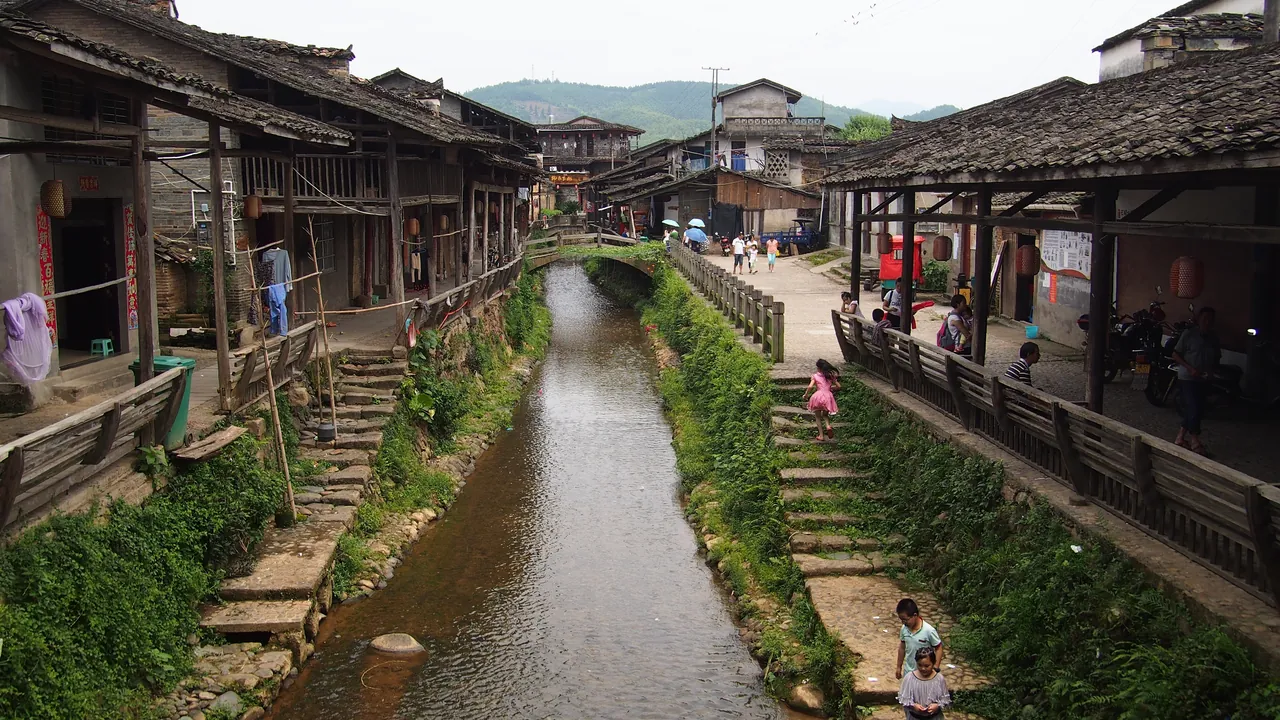
Chengcun: The Old Ferry beneath a Han City
Chengcun is the village beneath the Minyue royal city, its old ferry and lanes keeping their former shape. The charm is layering: a Ming-Qing village at your feet, a two-thousand-year capital buried in the fields beyond.
Half an hour in the Minyue museum's galleries, then walk the ferry and old houses; villagers take visitors in stride and answers often surprise.
Wufu Town: Dusk in the Old Town
Reach Wufu at dusk, slant light on the memorial gates and old houses of Xingxing Street. The town is quiet, and the charitable granary and Ziyang residence come closest to themselves in the evening. Dinner is a Zhu-family banquet with white-lotus soup, then a stroll down the street.
Sleep in Wufu or a township en route, setting up the push into the Tongmu hinterland.
Xingcun: A Tea-Country Morning at the Raft Pier
Xingcun starts the raft runs and gathers tea houses. At dawn the pier shows crews lashing bamboo, and behind the counters of old tea firms hang photographs decades deep, rock tea and black tea trading under one roof.
An hour of tea in town, reading the aged shop plaques; the road out toward Tongmu climbs past thickening tea fields.
Tongmu Village: The Home of Lapsang Souchong
Tongmu hides in the national park's interior above eight hundred meters, the birthplace of lapsang souchong. Every household ties to tea, and in the late-spring making season the withering lofts smoke steadily, the whole village smelling of roast pine.
Talking with growers is the point: see the withering troughs, rollers and traditional lofts, and learn where the smoke really comes from. In season, a full making day unfolds before you.
Da'an Yuan: Closing the Valley and the Hamlets
On the return from Tongmu, swing by Da'an Yuan: a gentle stream-valley path over clear water, summer wading territory and autumn at its greenest. Walk an easy stretch and give the mountain afternoon to the sound of water.
An hour round trip; evening exits to Xingcun or a Tongmu night, mountain dinners simple, shoots and stream fish in the lead.
Wufu Revisited: Lotus and the Market
Day three returns to Wufu at a different hour: the morning market spreads white lotus, dried shoots and tea across the stalls, the town at its liveliest. In July the ten-thousand-mu lotus peaks, so shoot and buy fresh lotus before noon.
An hour at the market, catching the academy if the first visit was rushed; a Zhu-family lunch, then the road back.
The Xingxing Academy and the Return: The Rural Line's Last Page
Finish the academy before lunch, the halls where Zhu Xi taught and generations of steles, stamping the rural line with culture. Then the road home, with an optional dawn-mist stop at Xiamei.
About an hour from Wufu to the resort, buffer before trains; three rural days close with two tins of good tea and mountain air in your clothes.
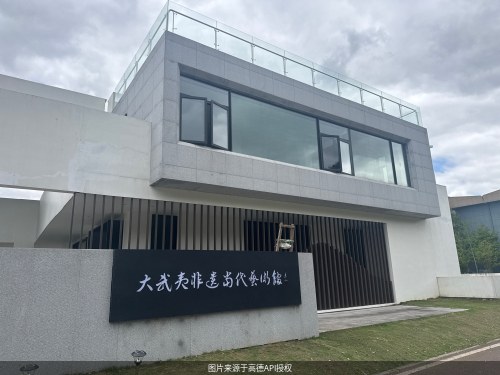
Great Wuyi Intangible Heritage Contemporary Art Museum: A Night Footnote
An evening bonus back at the resort: the heritage contemporary art museum moves tea, bamboo and lacquer into the language of current exhibition, crafts beside new media. The skills seen across three rural days answer here whether they still live.
An hour, evening hours per the day's notice; dinner nearby after, handing the rural line to the city for its close.
| Getting around |
|
| Budget | Small fees mostly, three chartered days RMB 1600-2000, two mountain nights RMB 400-800, roughly RMB 1300-1900 pp. |
| Best time | Apr-May tea season and July lotus are best; Tongmu's hinterland suits spring and autumn, with fog-bound mountain roads in the rains. |
FAQs
What does entering Tongmu require?
Tongmu lies within national park and reserve bounds, checkpoints on some sections usually passable after registration, with peak-season or control periods best confirmed ahead. The safest play is hiring a driver who knows the area to handle checkpoints and village contacts.
Does this route work for non-tea drinkers?
The villages carry it alone: Xiamei's architecture, Chengcun's layered history, Wufu's streets and lotus, Tongmu's valley scenery, none of it depends on tea. Tea is only the narrative thread; landscape and culture stand on their own.
What are mountain stays like?
Tongmu and Xingcun guesthouses are mostly converted farm homes, clean but simple, hot water and Wi-Fi standard, luxury amenities not. The upside is silent nights and mountains at the door; book three or four days ahead for peak weekends, and pack layers for cool nights.
Which is better, tea season or lotus season?
Both have their draw: April-May shows the full tea-making process with roast smoke over every lane, at the cost of rain; July puts Wufu at its most photogenic, hot but with reliable blooms. Early May splits the difference, late tea season plus first lotus, and kinder weather.