
Xiamen's culture runs on two layers: one the thousand years the Minnan people built themselves, with ancestral halls, celadon and sea-god faith; the other the world carried back by Chinese emigrants, remittances, arcades and family letters. This day shows half of each, spent in museums and a temple, closed by a Gaojia Opera performance.
Everything is free or cheap, and the real cost is time: about two hours at the city museum, ninety minutes at the Overseas Chinese Museum, Nanputuo flexible on the way, and the night show the only item needing advance planning, so check the troupe's weekly schedule before deciding which day this occupies.
Itinerary at a glance
| 09:00 | Xiamen Museum: A General History of Minnan |
| 11:30 | Overseas Chinese Museum: Letters and Tickets of the Southern Passage |
| 14:30 | Nanputuo Temple: Incense, Inscriptions and Evening Chant |
| 19:30 | Gaojia Opera: The Night Belongs to the Clowns |
The route, stop by stop
Xiamen Museum: A General History of Minnan
Enter at opening. The permanent exhibition of the Xiamen Museum runs from prehistory to modern times, weighted toward two cores: Minnan's maritime trade, where Song and Yuan celadon, export porcelain and ship models make the phrase sea-as-farmland concrete; and Minnan-Taiwan folk customs, dense with festival objects, ancestral-hall documents and carved woodwork.
Ninety minutes if brisk, half a day if thorough. Work the history gallery first and save the folk-custom hall for last, where the interactive pieces live and fatigue bites least. The final half hour before closing is the quietest and best for photos.
Overseas Chinese Museum: Letters and Tickets of the Southern Passage
Initiated by Tan Kah Kee, the Overseas Chinese Museum is among the few national-level museums devoted to emigrant history. The line opens with boat tickets of the southern passage and the papers of contract laborers, then reaches whole cabinets of qiaopi, emigrant letters bundled with remittance slips, each one carrying sums sent, family weddings and funerals, and prices in Southeast Asia, more concrete than any novel.
Do not miss the old collection's bronzes and natural-history cabinets, the foundation of the veteran institution. Ninety minutes suffices; lunch nearby, then Nanputuo lies straight down the Siming axis for the afternoon.
Nanputuo Temple: Incense, Inscriptions and Evening Chant
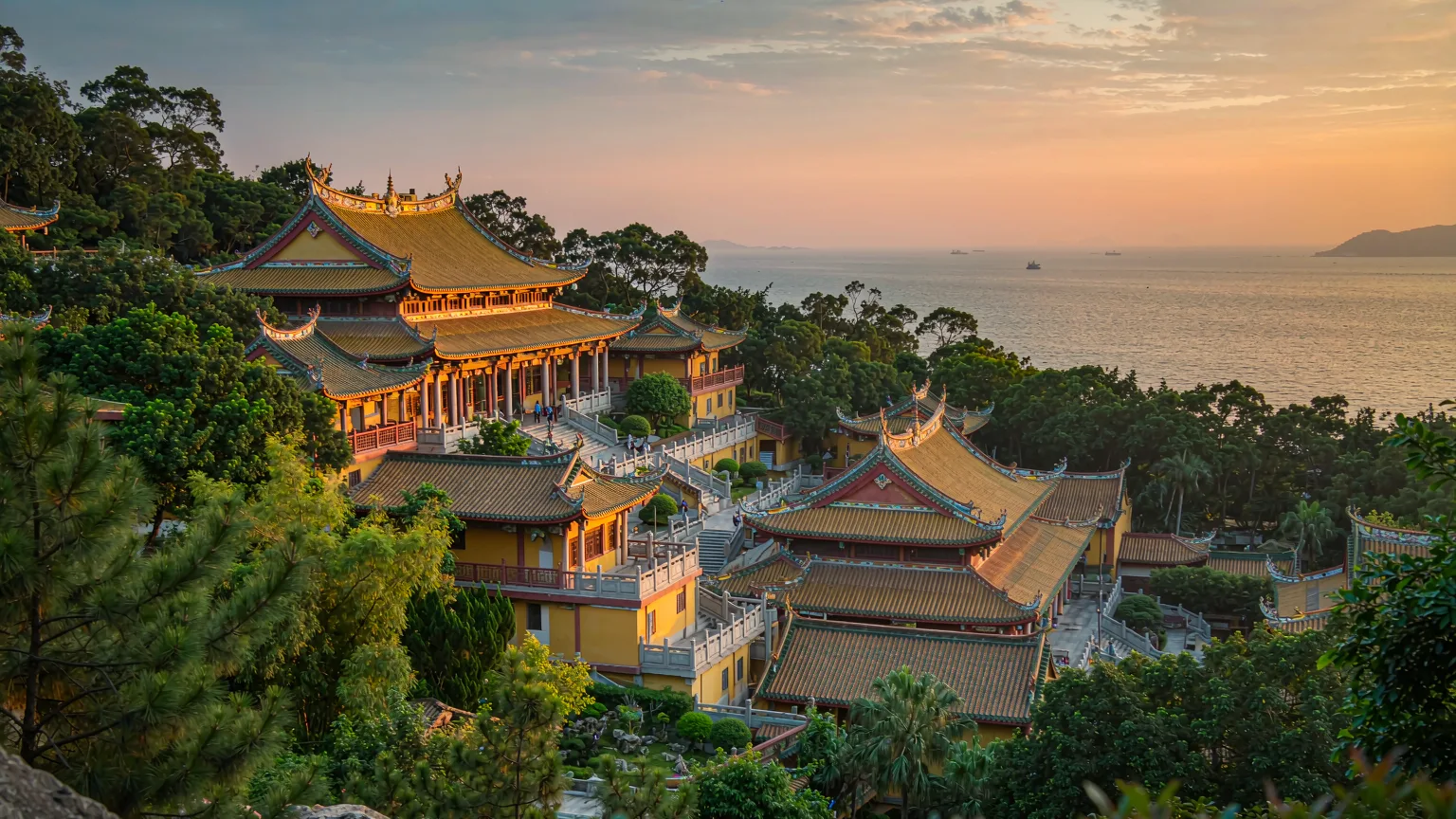
See Nanputuo differently in the afternoon: less incense, more architecture and stone. The octagonal pyramidal roof of the Great Compassion Hall is Minnan craftsmanship at its best, and the cliff inscriptions behind the temple run from the Ming to modern times, the single giant character for Buddha drawing a permanent photo queue. Between the release pond and the bodhi trees, slow down; a culture day needs some stillness.
If evening chant falls in your window, the sutra recitation and wooden fish stand outside the hall are a free performance; listen ten minutes and go. The pastry shop sits on the exit path, two boxes make tomorrow's breakfast.
Gaojia Opera: The Night Belongs to the Clowns
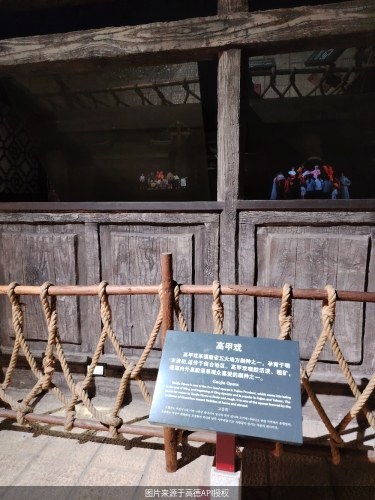
The finale goes to Gaojia Opera. Born in southern Fujian, the form is famous for its clown roles, young-master clowns, ragged clowns, puppet-mimicking clowns, all with exaggerated movement and dense local slang; even without the lyrics you read the repartee across the stage. Local troupes keep irregular schedules, mostly weekend nights.
Fallback if tickets fail: the old theater culture park district occasionally hosts open-air shows and folk-opera pop-ups, and fans of Minnan performing arts can drop to a nanyin tea session instead. The entry barrier is lower than feared, with subtitle screens running and a pace quicker than expected.
| Getting around |
|
| Budget | Both museums and the temple are free with booking; costs are the opera ticket and meals, about RMB 80-200 pp. |
| Best time | Year-round in climate-controlled halls; both museums usually close Mondays, so check notices first, and check the opera schedule ahead. |
FAQs
Do both museums need booking, or can I queue on site?
The city museum runs year-round real-name booking, and the Overseas Chinese Museum is looser but online booking is still wise in season. Both are free, booking just locks an entry window; on-site lanes often close in peak periods, so do not gamble on the door.
Can I enjoy Gaojia Opera without understanding the dialect?
Yes. The pleasure sits in movement, makeup and clown improvisation, and most houses run subtitle screens with the lyrics. Start with combat-heavy shows or classic excerpts; by a second performance you may be hooked, with the dialect as seasoning.
If I cannot spare the whole day, how do I compress this route?
The floor is the city museum plus the night show: history in the morning, free afternoon, opera at night. Fold the Overseas Chinese Museum into the next day with Nanputuo; or keep both museums and drop the opera, since the show is the least controllable piece, cut the riskiest first.
Any photography etiquette in temples and museums?
In museums, flash is banned in special exhibitions and at the original letters; follow the case signage. In temples, avoid photographing interior Buddhas and never disturb monks mid-chant, while outdoor stones and courtyards are fair game. Silence your shutter sound as basic courtesy.