
Yangshuo's shopping map stacks three layers: West Street's tourist design goods and food souvenirs, the craft layer of the heritage museum and the wood museum, and the night-market stalls where your bargaining gets tested. The rule is buying the right thing in each layer: edibles on West Street, silver at the museum, woodwork at Tianyi, and only cheap fun trinkets at the night market.
Budget discipline beats routing. Three iron rules: silver must be gram-priced with a written guarantee; for carvings ask the species and origin, never impulse-buy big pieces without pricing freight; for foods check dates and vacuum seals, with osmanthus cake and osmanthus wine the best-value pair.

Itinerary at a glance
| 09:30 | West Street Design Goods and Edibles: An Unhurried Morning Shop |
| 11:30 | The Silver Workshop at the Heritage Museum: A Bangle Priced by the Gram |
| 14:30 | Tianyi Wood Art Museum: A Buying Lesson in Carving and Root Art |
| 18:30 | West Street Night Market: The Closing Round of the Bargaining Floor |
The route, stop by stop
West Street Design Goods and Edibles: An Unhurried Morning Shop
West Street's shops open around half past nine, the golden hour to buy: shelves fully restocked and staff free to walk you through each item. List three souvenirs: osmanthus cake and honey, in small sealed packs that travel and split well; postcards and canvas bags with landscape motifs, where local designer labels outlast wholesale stock; and painted Li River stones with small bamboo goods.
Chain stores on the main drag run high; the indie shops in the deep lanes win on both design and price, and browsing them is itself proper West Street programming. For all edibles ask two questions: shelf life, and whether vacuum packing or crush-proof transport works, fine once your suitcase is rigid.
The Silver Workshop at the Heritage Museum: A Bangle Priced by the Gram
After the galleries, noon is the hour for the workshop: the advantage of buying here is watching the making, artisans chasing and drawing wire in front of you, pieces priced by the gram with craft fees separate and the rate board on the wall, none of the scenic stall's mouth-pricing. Choose a plain band or a phoenix bangle, have it engraved on the spot, and the gift doubles in feeling.
For thin budgets: small earrings and silver locks are friendly, and the hands-on session counts as shopping, hammer your own silver plate, misfires return to the shop and successes go home with you. Before a big-ticket bangle, compare gram rates elsewhere, then swing the hammer with a scale in your head.
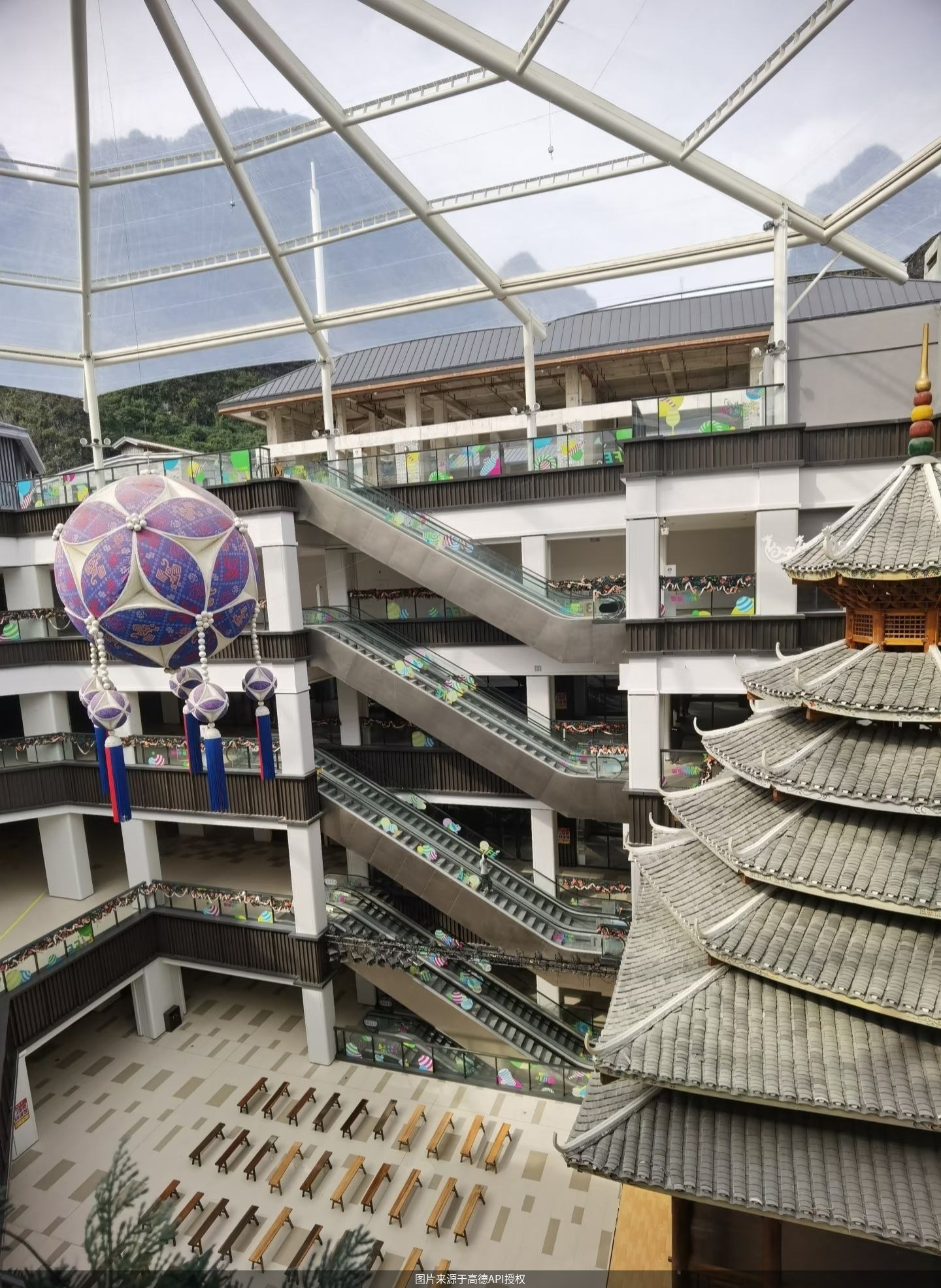
Tianyi Wood Art Museum: A Buying Lesson in Carving and Root Art
The afternoon shop is buying with your eyes open: the sales hall at Tianyi runs from tens of yuan for chopsticks and tea scoops to five-figure root sculptures. Touring the galleries first pays a dividend, once you have seen what master knife work looks like, the goods hall's craft grades itself under your fingers. For entry budgets pick camphor smalls and tea trays, where a few hundred yuan already buys presentable work.
The trap in big root carvings is material and dryness: golden nanmu and buried wood carry famous names and famous fakes, so unless you are an expert, buy small. For a genuine large piece, price logistics and crating first, freight often rivals the goods, and make the shop show you the landed cost before you fall in love.
West Street Night Market: The Closing Round of the Bargaining Floor
After half past six, stalls rise along West Street's flanks selling low-price sundries: bead bracelets, tie-dye, woven bamboo bags, ethnic-style earrings, and small goods that look suspiciously alike to every other night market in China. Set the right mind, you are buying atmosphere and cheapness, not collectibles; below thirty yuan skip the forensics, and deal at your mental price.
The haggling market opens around forty to sixty percent of the quote; if the stallholder won't move, walk away smiling, called back within ten steps is the norm. Keep hold of the serious daytime purchases and use the market for gaps: forgotten postcards, one more pair of earrings, all settled here.
| Getting around |
|
| Budget | Souvenir budgets swing from tens of yuan for osmanthus cake to four figures for a silver bangle; most travelers do it well within RMB 300-800. |
| Best time | Any season; design shops restock fullest by day, while the night market leaves more room to haggle than daytime stores. |
FAQs
Will I buy fake silver on West Street, how do I tell?
Three steps: check the stamps, honest pieces carry a fineness mark; weigh the gram, gram-priced shops beat flat per-piece quotes; and demand paperwork, a guarantee stating content and weight. The museum workshop and veteran silver shops are safest, while night-stall bracelets and earrings are decoration only, priced nowhere near silver value.
Can osmanthus cake and wine ride planes and trains?
Cakes and preserves ride in cabin or hold without trouble, mind dates and intact packaging; osmanthus wine is alcohol, checked baggage only on domestic flights with limits on strength and volume, and trains allow sealed bottles under quantity caps. Check current rail and air rules before travel, and pad vacuum-packed goods with paper or bubbles.
Are large root and wood carvings worth it, and how do I ship one home?
Worth it only if you read materials or trust the shop, otherwise buy small. Two shipping paths: the shop dispatches by freight with volume-and-destination fees, so get crating and insured value written into the waybill; or rail express yourself. Mid-small pieces from hundreds to low thousands carry the best value; five-figure buys without an expert companion are a no.
Any night-market bargaining tactics, how deep should I cut?
Open at forty to sixty percent of the quote, keeping the tone light and never insulting the goods. Two tactics: price the same item at two or three stalls and the floor reveals itself; and confirm whether a quote is single or per pair, earrings and bracelets spark the classic dispute. If the stallholder truly won't move and you still want it, concede the five or ten yuan, the mood is worth more than the coins.