
Yinchuan's culture runs in two layers: one buried below the Helan Mountains, the near two-century base of the Western Xia empire, and one alive on the old-city streets, in mosque domes and the steam of eight-treasure tea. Splitting the day between the layers is the kindest ratio: museums and an old pagoda in the morning, the tombs as the afternoon anchor, the old city at dusk.
The day hinges on booking order: the free Ningxia Museum needs a grabbed slot, the tombs want tickets a day or two ahead in season, and everything else sells on site. Order by booking difficulty and nothing jams; the tombs round trip runs two hours of driving, so an afternoon start also dodges the midday sun.
Itinerary at a glance
| 09:00 | Ningxia Museum: Compressing the Chronology into Two Hours |
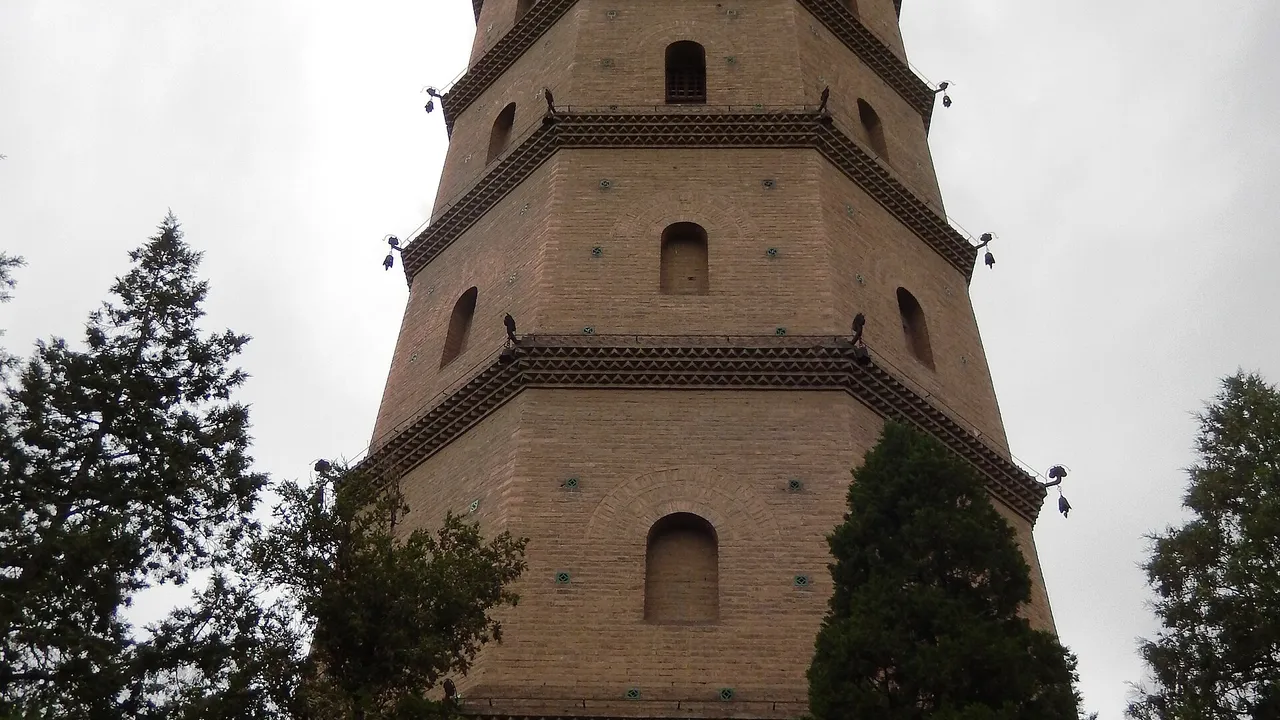
| 12:00 | Chengtian Temple Pagoda: A Western Xia Echo in the Old City |
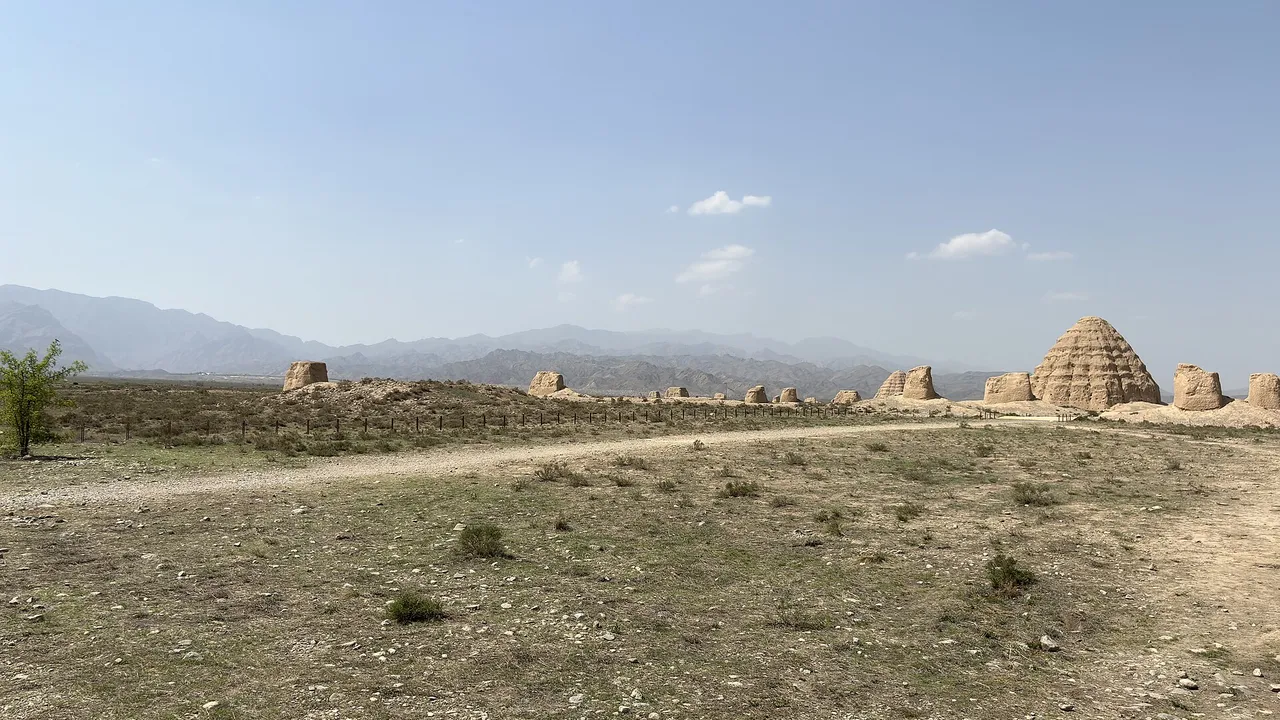
| 14:00 | The Western Xia Tombs and Their Museum: The Day's Main Event |
| 18:30 | Nanguan Grand Mosque: Dusk under the Dome |
The route, stop by stop
Ningxia Museum: Compressing the Chronology into Two Hours
Enter at opening and start with the ground-floor chronology, prehistoric stone tools through Silk Road relics. Three must-sees: the gilded bronze ox from the Western Xia tombs, its musculature crisp as if fresh from the cast; the Sun God zone of Helan rock art, carvings set beside rubbings; and the wall of Western Xia documents, blocky characters that look almost readable and entirely are not, the most direct entry into this dynasty.
The upstairs stone and ceramics halls suit a quick sweep; note the difference between official bronze seals and the carved floral glazes of Xia porcelain. Allow ninety minutes to two hours, then lunch near People's Square to fuel the long afternoon transfer.
Chengtian Temple Pagoda: A Western Xia Echo in the Old City
After lunch return to the old city for Chengtian Temple Pagoda, an eleven-story brick tower of dense eaves commissioned during a Xia empress dowager's regency, the oldest Western Xia structure standing in the city. The walled yard keeps the noise outside with old trees and pigeons, and the exhibit rooms tell of the tower and palace matriarch politics, groundwork for the afternoon at the tombs.
Walk the yard slowly for forty minutes and study the brickwork: original Xia bricks and later patching differ visibly in color, a standing chronology in clay.
The Western Xia Tombs and Their Museum: The Day's Main Event
Give the afternoon to the tombs, and run it museum first: the galleries cover Tangut origins, the invented script, Buddhism and mausoleum systems, with carved dragon columns, kalavinka figures and broken Xia steles as highlights. Then ride the shuttle into the grounds, where the rammed-earth tower of Tomb No. 3 stuns up close.
The grounds are windy and shadeless; museum plus tombs runs about three hours. If time forces a choice, compress the tomb walk and keep both Xia galleries whole, lingering ten minutes over the script comparison chart.
Nanguan Grand Mosque: Dusk under the Dome
Back in the old city, give dusk to the Nanguan Grand Mosque. Its green dome and twin minarets are a city emblem, the current buildings rebuilt in the 1980s continuing the tradition of pairing Chinese hall architecture with an Arab dome. Evening light raking the dome is the most comfortable hour for photographs.
Observe mosque etiquette: dress below the knee and not sheer, keep voices low, and do not linger noisily or shoot photos at prayer times. Finish with dinner around Nanguan, dense with halal shops where beef noodles and mutton come fresh and hot.
| Getting around |
|
| Budget | The museum is free and remaining tickets total about RMB 100-130; with meals and transport plan on RMB 200-320 per person. |
| Best time | Works year-round with climate-controlled halls; in peak season book the tombs a day or two ahead, and rain dims both the tombs and any rock art plans. |
FAQs
What if museum slots are all taken?
Three routes: camp the release and cancellation windows, since slots drip back; shift the museum to a weekday morning; or lead with the pagoda and tombs and try again on an evening return. The museum closes Mondays year-round, so route around it.
Is tomb entry expensive, and what does the ticket cover?
Entry plus shuttle runs in the eighty-to-ninety yuan range, covering the in-site loop bus and the Western Xia museum, solid value by Yinchuan standards. Guiding and audio cost extra; in season buy real-name tickets a day ahead, with passports handled at staffed windows.
If Western Xia history is not my thing, what should I swap?
Compress the tombs to a two-hour museum-only visit and hand the hours to the rock art or a winery; or skip the grounds entirely, take the museum in the morning and Helan rock art in the afternoon, returning for the mosque at dusk, with no loss of cultural density and half the fatigue.
What are the rules at the mosque?
Dress below the knee, not sheer, not tight; keep quiet in the courtyards; prayer times bar visitors and photography, and enter the prayer hall only by invitation. Women may bring a light scarf. The halal eateries nearby carry the same taboos: no outside food, no alcohol.