
Koktokay is not a sea but a mining town on the upper Irtysh. Both of today's threads start here: one downward, into the No. 3 Mine Pit over two hundred meters deep, whose beryllium, lithium, tantalum and niobium once carried the country's foreign repayments in a hard era; one upward, into the Irtysh Grand Canyon where the Bell Peak rises over three hundred meters of granite, the river below running north toward the Arctic Ocean's system.
One mine, one gorge; one heavy, one light, making a day with a center of gravity and a release. Allow about three hours from Altay city via Kekesuli Lake, returning the same way. The town's food and lodging are plain but complete, and one extra night suits those going deeper.
Itinerary at a glance
| 08:30 | Kekesuli Lake: A Duck Lake before the Mountains |
| 10:30 | The No. 3 Mine Pit: A Nation's Ledger inside a World-Class Pit |
| 13:30 | The Koktokay Geological Museum: Writing Down What the Morning Taught |
| 15:00 | The Irtysh Grand Canyon: Water Sound beneath the Bell Peak |
The route, stop by stop
Kekesuli Lake: A Duck Lake before the Mountains
Kekesuli is the first surprise on the road in: some twenty reed islets float on the surface, waterfowl crowd the shallows, herds drink at the shore, and locals call it the Duck Lake. Morning light lies flat and the water reads like a spread mirror, wrinkling only when the wind arrives.
Half an hour suffices along the lakeshore boardwalk. This is the transition from steppe to mining town; see this water first and the pit and canyon after land with more weight.
The No. 3 Mine Pit: A Nation's Ledger inside a World-Class Pit
The No. 3 Mine Pit is Koktokay's heart. This giant pit yielded beryllium, lithium, tantalum and niobium, and in the hard years of the 1960s its ores accounted for a large share of the country's foreign repayments, miners hand-cutting rock through winters of minus forty; the town earned the name of hero mine and merit mine.
From the rim the spiral walls step down to the floor, a depth and scale that photographs cannot hold. The old buildings and machines nearby keep their era's face; match the dates on the boards to the pit in front of you and history stops being a noun.
The Koktokay Geological Museum: Writing Down What the Morning Taught
The museum annotates the pit: ore specimens arranged by element from beryllium to mica, old photographs and documents restoring decades of the town's population, quotas and daily life. Whatever the rim left unclear, this room answers.
Give the relief map real time: the ore veins' run, the town site's logic, the tie between roads and river, ten minutes here lifts your grasp of the whole area a level.
The Irtysh Grand Canyon: Water Sound beneath the Bell Peak
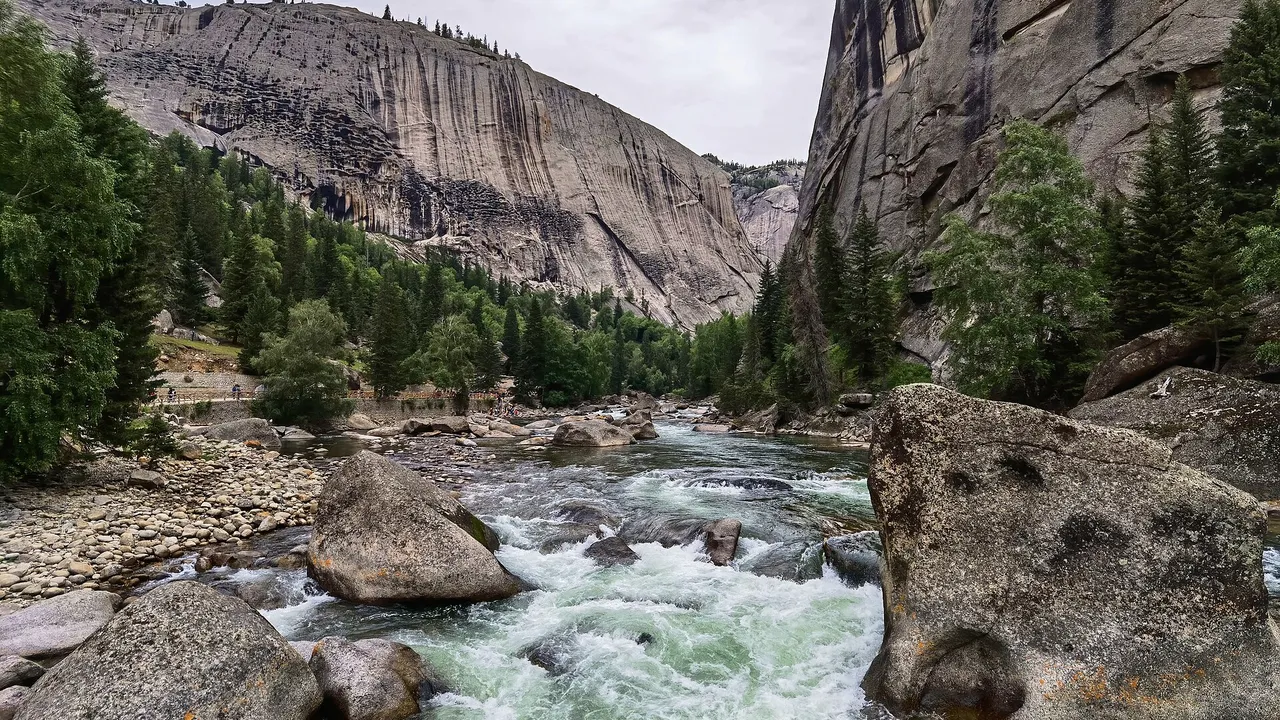
The afternoon climbs the canyon. The shuttle follows the Irtysh upstream past granite peaks of every shape, and at the end the Bell Peak drops like a vast bell, over three hundred meters of relative height, the landmark of the whole area. Boardwalks track the river with its sound the entire way.
Turn back at the Bell Peak viewpoint, about two hours round trip. Birch and pine interleave through the gorge, and September's gold against granite gray is Koktokay's most photogenic pairing.
| Getting around |
|
| Budget | Entry plus shuttles total about RMB 150-250 pp; a day car runs RMB 600-900, meals RMB 50-80. |
| Best time | June to September is the safe stretch; the canyon runs some five degrees cooler than town, so carry a jacket in any month, and September's canyon autumn is outstanding. |
FAQs
Is one day enough for Koktokay?
For the pit, museum and canyon spine, yes; for deeper mining history or long canyon hikes, stay a night. A same-day return from Altay works but six hours go to driving, so an early start is mandatory.
How do tickets work for the pit and the canyon?
The area runs a base entry plus shuttle system with the pit and canyon usually inside the combo, about RMB 150-250 in season per posted notice. The museum sometimes tickets separately, so ask what the ticket covers before paying.
What if kids have no interest in mining history?
Flip the order: canyon first for peaks and water, the pit trimmed to twenty minutes at the rim, the museum turned into a treasure hunt over ore samples. The boardwalks and river are child-friendly, and history can wait for older years.
Is this route worth it in winter?
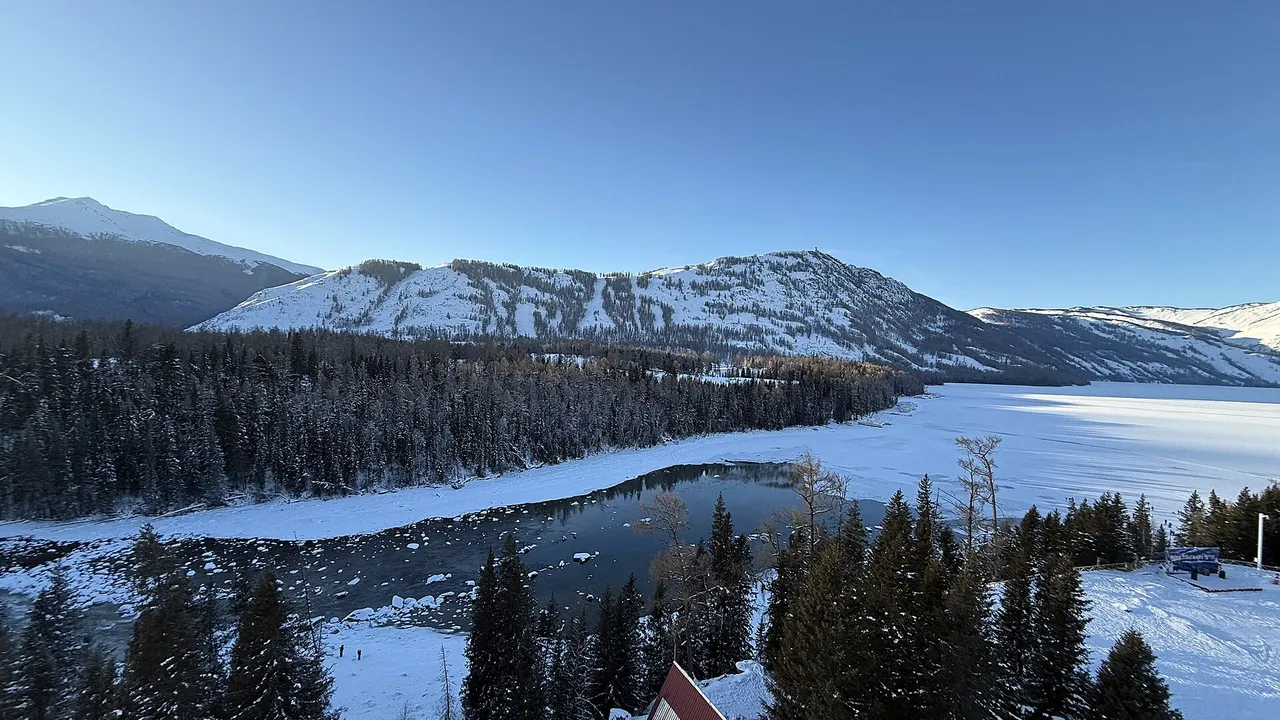
Worth it, with different content: canyon boardwalks restrict, the program pivots to skiing and ice events, and the pit rim turns bitterly windy, so the museum carries the visit. The snowed-in mining town has a singular mood, right for those who have already skied and want a different angle.