
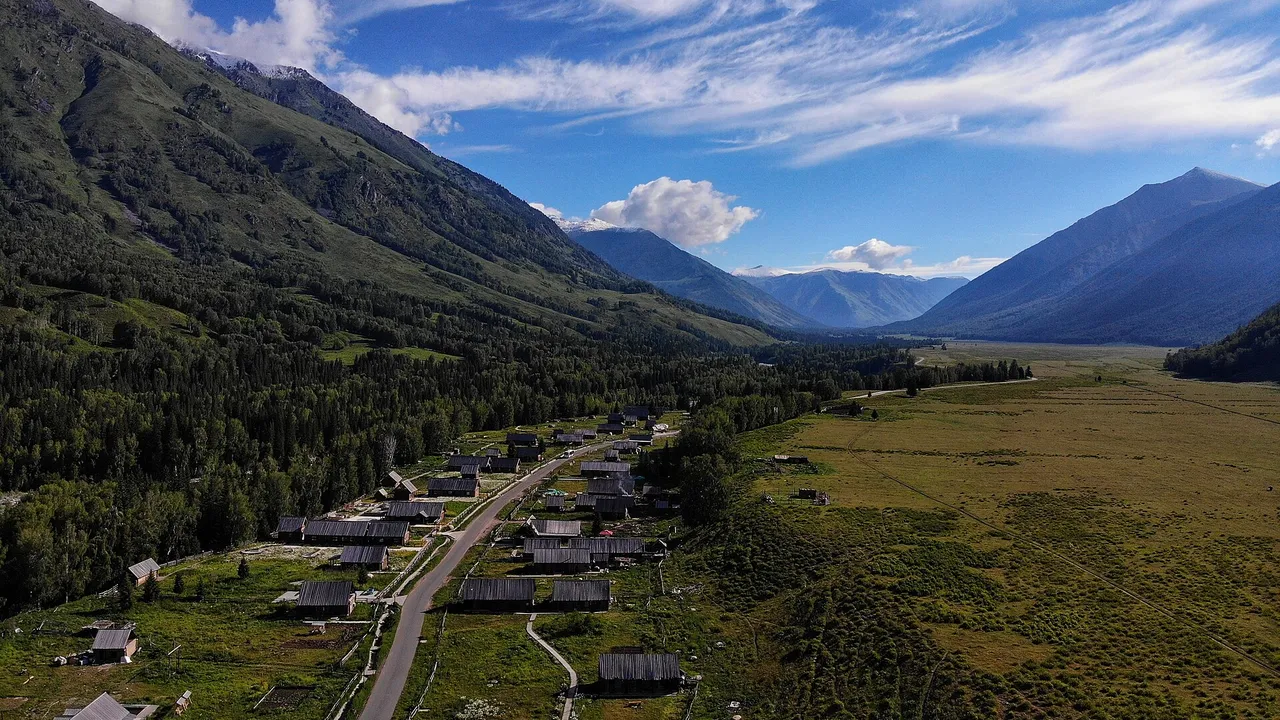
Hemu is Kanas at village scale: Tuva log cabins strung along the Hemu River, birch crowding the village, and the Hadeng ridge holding both morning mist and sunset in trust. The word for these three days is staying: settle in on the first afternoon with the bridge, the river and the sunset; start day two from the mist, ride up to Meili Peak's pastures before noon, and stroll the lanes at dusk; leave on day three through Burqin's night market.
The slow route's discipline is two things a day. Day-night swings run wide, cabins light their stoves at night and mornings demand fleece; village hours run two behind the city, and every benefit of rising early lands on the mist.
Itinerary at a glance
| 12:30 | Hemu Village: Arriving among the Tuva Log Cabins |
| 17:00 | Hemu Bridge and the Hemu River: The Village's Front Door |
| 20:00 | The Hadeng Viewing Platform: Sunset over Hemu in Full |
| 07:30 | Hemu Morning Mist: Day Two's Feature Presentation |
| 10:30 | Riding toward Meili Peak: Half a Day in the Pastures |
| 16:30 | Birch Wood and Village Lanes: Giving the Afternoon to Walking |
| 11:00 | The Old Wharf Street: Lunch on the Way Out |
| 17:30 | Wucaitan: The Return's Sunset |
| 20:30 | The Burqin Riverside Night Market: The Rural Three Days' Curtain |
The route, stop by stop
Hemu Village: Arriving among the Tuva Log Cabins
Transfer from Jiadengyu and wind up the mountain road for over an hour, then deliver luggage to the cabin first. The Tuva build from whole logs with moss packed into the seams, warm in winter and cool in summer; courtyards stack winter firewood, and dried grass and chili hang under the eaves.
Settled, take the first lap of the village: the post office, the shop, the crossroads where the horse teams gather, fixing the village's size in your mind. Lunch at a home-style kitchen on laghman and kebab, the base layer.
Hemu Bridge and the Hemu River: The Village's Front Door
The bridge is the village's gate to pasture and birch, timber over the Hemu River, the water running deep teal by evening. The birch wood at this end is the village's easiest gallery, trunks whitening and leaves turning translucent against the light.
Walk the river ten-odd minutes downstream, where pebbles and fallen trunks give foregrounds to every frame. Riding parties keep crossing home over the bridge, hoofbeats mixing with water, the frequency of a Hemu evening.
The Hadeng Viewing Platform: Sunset over Hemu in Full
Climb to the Hadeng platform at dusk, twenty minutes of boardwalk handing you all of Hemu: chimney smoke rising from the roofs, the river bending past the village, birch thinning into gold thread. Sunset reads mountains first, then village, the last light landing on the river.
Do not rush down; wait five minutes for the blue hour as cabin lights come on in sequence and the village turns from scenery into home. The descent runs dark, so keep a phone torch ready.
Hemu Morning Mist: Day Two's Feature Presentation
Climb Hadeng again at half past six. Night moisture gathers into a fog belt in the valley, cabins and birch developing out of it layer by layer, sunrise gilding the fog's crown before it drifts and thins, the village looking freshly washed.
Mist density follows the night's humidity and the morning temperature drop, steadiest in autumn. After the fog, breakfast back at the cabin on milk tea, boorsak and hot porridge.
Riding toward Meili Peak: Half a Day in the Pastures
The morning's anchor is riding into the valley pastures toward Meili Peak. The string follows the Hemu upstream over bridge, wood and meadow, two hours of gentle climbing leaving the village behind, summer pastures opening in the valley with milk-steam rising from yurt tops.
Calling at the pasture is the point of the ride: milk tea inside the yurt, herders roping horses and milking, children charging about on ponies. The return rides with the light behind you, mountain and forest more saturated than on the way in.
Birch Wood and Village Lanes: Giving the Afternoon to Walking
Back from the pastures, the afternoon runs at low speed. Circle the village-edge birch, gold and translucent in September; the lanes have no names, but navigating by the post office and the bridge never loses you, and each gateway offers its own pattern of stacked firewood.
The shop at the village mouth sells yogurt and curds; eat at the doorstep watching horse teams and travelers cross. Before dinner, confirm tomorrow's departure with your driver, since Hemu's signal comes and goes and this is no task to leave late.
The Old Wharf Street: Lunch on the Way Out
Day three exits the mountains, landing in Burqin right at lunch. The old wharf street offers the widest choice: grilled fish, laghman and Russian-style kitchens side by side, then digest with a stroll past the Russian goods shops, souvenirs always cheaper in town than at the sights.
The street's Russian facades photograph well in afternoon light. Stock road food and water here, since Burqin is the last major supply stop before the mountains.
Wucaitan: The Return's Sunset
After three days of forest and log cabins, Wucaitan flips the register to dry heat: yardangs striped red, yellow and violet by the setting sun, the Irtysh bending below, birches gilded across the water. The rural three days close on this sunset.
Keep an hour on each side of sunset, watching the yardangs change first, then turning for the birches. The wind runs strong, so fix hat and camera strap.
The Burqin Riverside Night Market: The Rural Three Days' Curtain
The night market is the rural line's last scene. Skewers arrive by the handful, fish by the piece, with an iced kvass; the mist, the saddles and the cabin stove of three days turn into stories worth retelling in the charcoal smoke.
Sleep early if Kanas comes tomorrow; if flying out, the market's timing sits perfectly before the airport or station run. The river wind carries the grill's smell a long way, and this curtain falls unhurried.
| Getting around |
|
| Budget | Entry and shuttle about RMB 150-200 pp, two cabin nights RMB 300-800, riding RMB 80-150 an hour. |
| Best time | June to September brings the best grass, while mist runs all year and thickens in autumn; from November Hemu turns a snow village with roads often controlled. |
FAQs
How should time split between Hemu and Kanas?
They have different characters: Kanas is lake and bays, Hemu is staying and village life. With three or four days, go deep on one; with five or more, sleep in both. Squeezing Hemu into a half-day photo stop is this area's commonest waste.
What are the cabins actually like?
Log structure, shared or private baths depending on the house, clean bedding, night stoves, thin walls. The value is location and atmosphere, opening the door straight into mist and chimney smoke. The sensitive bring a sleeping-bag liner and earplugs.
Can non-riders join the pasture ride?
Yes: pasture horses are docile and led throughout by the handler, and walking-pace routes are fully beginner-safe. The horse-shy can shuttle or walk to the pasture's edge and rejoin the riders at the yurt, losing none of the experience.
Is Hemu worth a dedicated winter trip?
Worth it, as a different game: the snow village, rime and horse sleds lead, and the Jikepulin ski field at Hemu is the snow season's new ace. Mind closure risk and cold-weather kit, build weather slack into the plan, and come as a snow traveler, not a box-ticker.