
Five days is the standard Altay loop: the city on day one, south to Koktokay for pit and canyon on day two, back through Burqin and Wucaitan on day three, into Kanas for bays and lake on day four, and out to Hemu for the mist before returning on day five. One great ring with no backtracking, gathering Altay's three faces, city, mining town and mountain waters, in a single pass.
Daily drives run two to four hours, with the physical demand concentrated on the pavilion stairs and canyon boardwalks. Lodge in Altay city, Koktokay town and Burqin, plain but correctly placed; budget concentrates in car and tickets, cheapest split between two.
Itinerary at a glance
| 09:30 | Jiangjun Mountain Ski Field: The Loop Opens on the City's Mountain |
| 14:00 | The Birch Forest Park: A Birch Afternoon inside the City |
| 10:30 | Kekesuli Lake: The Breathing Point toward the Mining Town |
| 14:00 | The No. 3 Mine Pit: The Merit Mine's Scale |
| 09:00 | The Irtysh Grand Canyon: Morning beneath the Bell Peak |
| 16:30 | Wucaitan: The First Sunset after Reaching Burqin |
| 11:00 | The Old Wharf Street: The Morning before the Mountains |
| 15:00 | The Kanas Bays: From Wolong to Shenxian |
| 08:30 | Kanas Lake and the Fish Watching Pavilion: The Whole and the Near |
| 12:30 | Hemu Village: The Last Day's Mist and Log Cabins |
The route, stop by stop
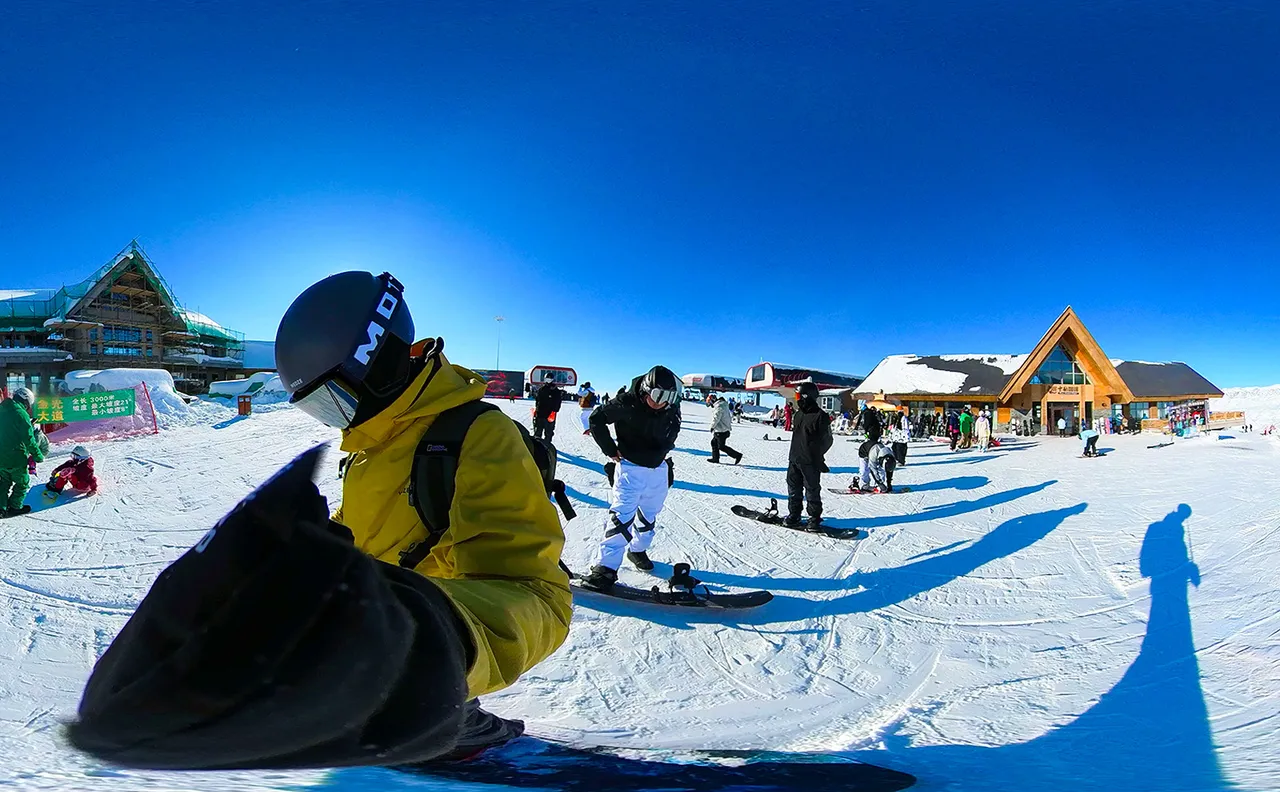
Jiangjun Mountain Ski Field: The Loop Opens on the City's Mountain
First stop after landing. In snow season, three morning hours on dry light snow with lifts straight from town's edge; in summer, a summit over the whole town with the Kelan and the Altai range in one frame. The cradle-of-skiing display at the base earns twenty minutes first.
The loop's first day carries no heavyweight, buffering arrival fatigue; the birch park and the evening Kelan both run light, and early sleep banks tomorrow.
The Birch Forest Park: A Birch Afternoon inside the City
The birch wood on the Kelan's flats is the city's base tone. Boardwalks thread the stands, gold in September and deep-shaded in summer, the main loop an hour; for photographers, backlit white trunks are the required course.
The park is free, the easiest outdoor arrangement on arrival day; return riverside by evening and close day one on city time.
Kekesuli Lake: The Breathing Point toward the Mining Town
Day two runs south with Kekesuli en route. Reed islets float on a morning lake flat as a mirror, waterfowl and herds in one frame. Half an hour on the boardwalk suffices.
The stop shifts you from city pace to mining-town pace: wetland first, pit after, loosening before tightening.
The No. 3 Mine Pit: The Merit Mine's Scale
Reach Koktokay town in the afternoon and the pit first. Spiral walls winding two hundred meters down, the story of beryllium, lithium, tantalum and niobium, of hand-cut rock at minus forty, written on the rim boards; standing at the edge gives a scale no photograph can.
Buy the pit-and-canyon combo here, asking what it covers and the shuttle's last run. Overnight in town, where the mining night is quiet enough to hear only wind.
The Irtysh Grand Canyon: Morning beneath the Bell Peak
Day three climbs the canyon, the shuttle upstream between granite walls to the Bell Peak dropping like a vast bell. Boardwalks follow the river, the viewpoint round trip about two hours, September's birch against granite the most photogenic frame.
Exit by noon, lunch in town, then run north to Burqin, about four hours, arriving by evening. Tonight's sleep decides tomorrow's state entering Kanas, so keep it early.
Wucaitan: The First Sunset after Reaching Burqin
Reach Burqin by evening just as Wucaitan's sunset begins: yardangs striped red, yellow and violet, the Irtysh bending below, birches gilded across the water, one of northern Xinjiang's famous sunset posts.
Twenty minutes back to town after sunset, dinner at the riverside market on grilled fish, skewers and kvass, trading three mountain days' coolness for riverside warmth.
The Old Wharf Street: The Morning before the Mountains
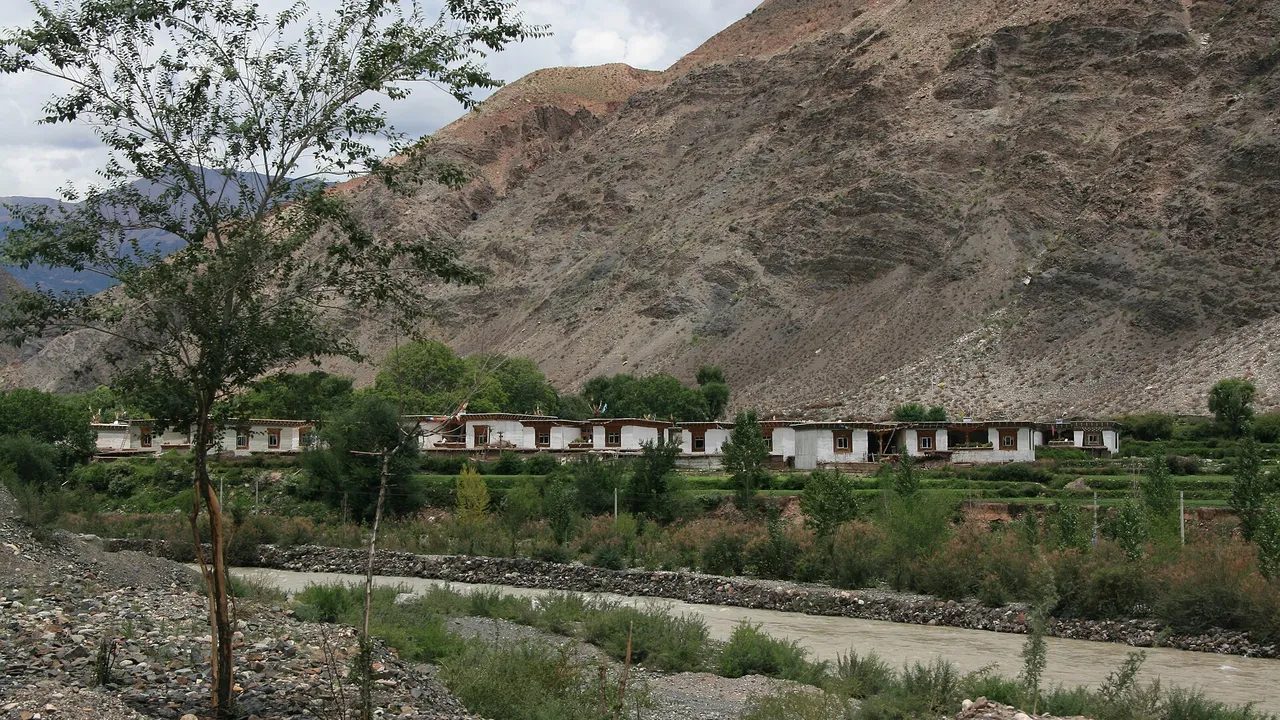
Day four morning in Burqin is mountain preparation. Walk the old wharf street once through, the Russian shops' big loaves, kvass and honey serving as trail food and gifts, the facades photogenic in the light.
Buy water and snacks, store big luggage at the hotel, and enter Kanas light. Lunch downtown, then straight to Jiadengyu for the afternoon.
The Kanas Bays: From Wolong to Shenxian
Enter Kanas in the afternoon as the shuttle delivers the bays in order: Wolong's shoe-shaped shoal, Moon Bay's flawless arc, Shenxian's midstream islet. The slanting afternoon light reads the water's layers better than noon.
All three bays take about three hours on the shuttle's clock. Reach the lake country by evening and lodge there; tomorrow's pavilion climb wants an early riser's legs.
Kanas Lake and the Fish Watching Pavilion: The Whole and the Near
Climb the pavilion first: a mountain transfer and a stairway stretch put the lake whole beneath you, bay curves against snow peaks, the only angle that teaches Kanas' scale. Descend to the lakeside boardwalk, where the milky teal shows its suspended mineral grains up close.
The afternoon exits toward Burqin or Jiadengyu to shorten day five's Hemu transfer. With legs to spare, add a Tuva old-village visit by the lake.
Hemu Village: The Last Day's Mist and Log Cabins
Day five transfers from Jiadengyu into Hemu, over an hour of winding road. In the village, take the bridge and the birch, then climb the Hadeng platform for the full scene, cabin smoke and the river bend closing the loop's frame.
If you can stay the night, tomorrow's mist is Altay's most rewarding early alarm; on a day trip, exit after sunset and drive the dark road slow.
| Getting around |
|
| Budget | Entry and shuttles total about RMB 600-800 pp; a five-day car runs RMB 3,000-4,000, four nights RMB 600-1,500 per head. |
| Best time | June to September runs scenery at full tilt, best in mid-September gold; from November the route switches to its skiing version with Hemu and Jiangjun Mountain in the lead. |
FAQs
Are five days enough to cover Altay?
For the spine, yes: city, mining town, Kanas and Hemu all reach, with depth trading against coverage. Adding Baihaba or serious skiing needs two or three more days. The five-day version's value is the complete first-timer frame.
Does the loop work in reverse order?
Yes, with different merits: Kanas first puts the physical cost early and eases the return, while this order gives the longest drive to your freshest day. The one rule is never scheduling Hemu's mist on the eve of a flight.
What is the rough total budget?
Per two sharing: charter RMB 3,000-4,000 for five days, tickets and shuttles RMB 600-800 per head, four nights RMB 600-1,500 per head, meals RMB 80-120 per head daily, roughly RMB 5,500-8,000 per person, ski gear extra in winter.
Does this loop suit a first visit to Xinjiang?
Highly: it packs northern Xinjiang's classics with manageable drives and mature lodging, needing only the usual ID and safety discipline. After it, choosing between Yili and the south for the next trip becomes a far better-informed call.