
Altay's table carries two rivers: mountain pastures give the milk foods and the meat, while the Irtysh gives cold-water fish. Eat along the water today: cheese and milk tea at the morning market, grilled pike in Burqin at noon, the yardang cliffs turning red at Wucaitan by dusk, then the Burqin riverside market closing the night on skewers and kvass.
Note the hour between Altay city and Burqin, best bridged by chartered car or self-drive. The pike is the Irtysh's signature cold-water fish, few bones and springy flesh, eaten charcoal-grilled or gently stewed, and the market's fish stalls are the locals' late canteen.
Itinerary at a glance
| 08:30 | Cheese: The Market's First Mouthful of Milk |
| 12:30 | Burqin Grilled Pike: Noon on the Irtysh |
| 17:30 | Wucaitan: Sunset as the Meal's Dessert |
| 20:30 | The Burqin Riverside Night Market: Closing on Skewers and Kvass |
The route, stop by stop
Cheese: The Market's First Mouthful of Milk
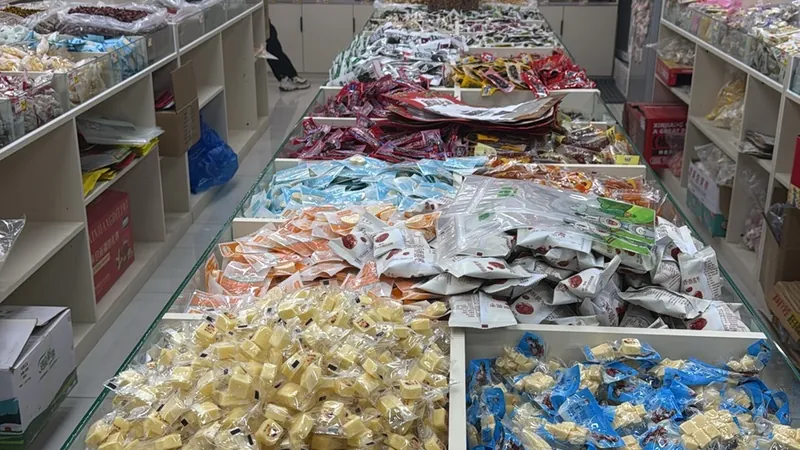
The milk stalls open six or seven. Fresh cheese sits in basins still cool, curds piled into hills, milk skin rolled in rows, and a cut piece to taste is standard practice. A bowl of freshly churned salty milk tea sets the stomach to pasture mode.
Beyond dairy, take a portion of boorsak fried dough with jam, the other half of the local breakfast. Circle the market afterward to settle the meal and watch herders buying milk foods and meat by the sackful.
Burqin Grilled Pike: Noon on the Irtysh
Reach Burqin at noon and head straight to a fish house. The pike is the Irtysh's signature cold-water fish, firm and few-boned; charcoal-grilled, the skin crisps and the flesh splits into flakes under cumin and chili, while the milk-white stew with tofu delivers a cleaner, more direct freshness.
Order from the tank: live fish, caught and killed to order, is the floor, priced by weight and asked before weighing. Two preparations of one fish is the connoisseur's play, half grilled, half stewed, with rice or steamed rolls to finish the river's flavor.
Wucaitan: Sunset as the Meal's Dessert
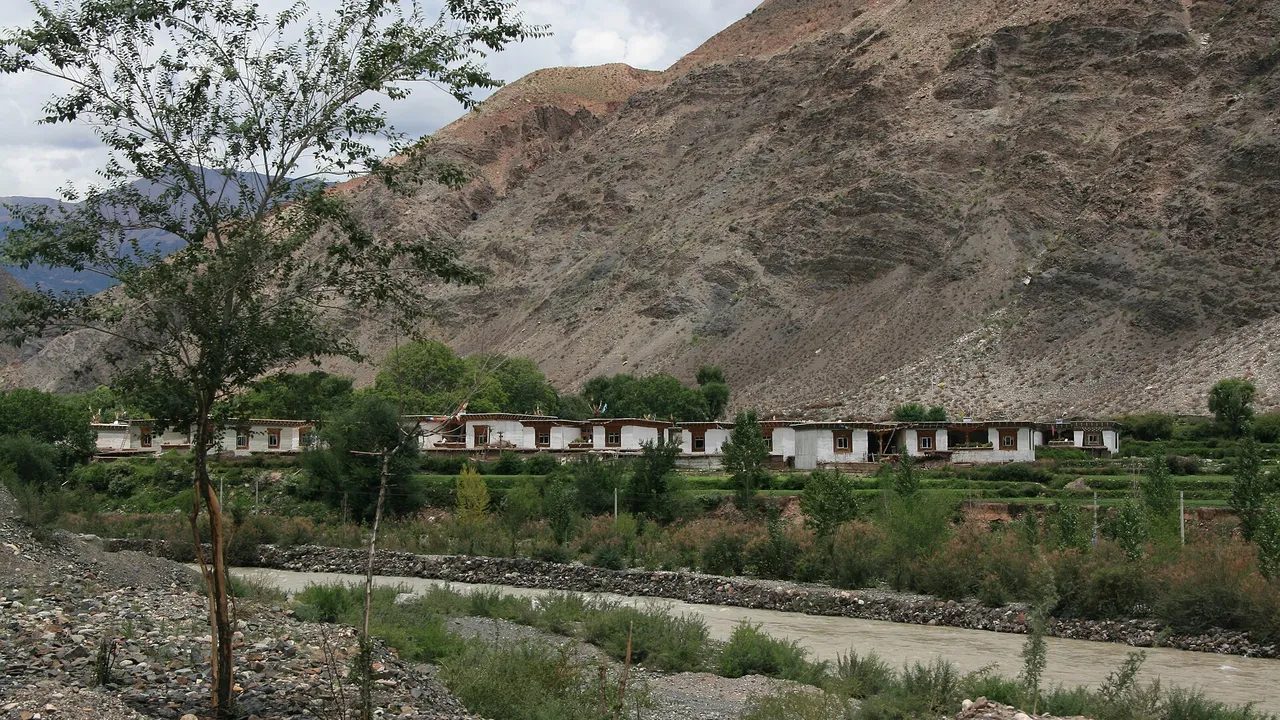
Wucaitan sits on the Irtysh's north bank northwest of Burqin, yardang formations striped red, yellow and violet under the setting sun, birch forest across the river, two landscapes sharing one waterway. It ranks among northern Xinjiang's famous sunset posts, and the evening boardwalk fills with people waiting for the light.
The hour around sunset is the entire point: watch the yardangs change color on the north bank, then turn as the birches gild across the water. The wind runs strong, so mind your hat on the boardwalk, and never step off it onto the soft banks.
The Burqin Riverside Night Market: Closing on Skewers and Kvass
Along the embankment, grills burn from dusk deep into the night. Order skewers by the handful, fish by the piece, baked buns and tandoor meat for starch, with a glass of local kvass, faintly sweet and fizzy, the canonical partner to grilled meat. The river wind carries charcoal smoke the length of the bank.
Locals treat the market as supper and social club; plastic stools are the correct seating. Pay by counting sticks and watching the scale; prices are mostly unwritten, so asking first is more dignified than disputing after.
| Getting around |
|
| Budget | About RMB 120-220 pp for the day including one fish dinner and night-market grazing; fuel for the drive extra. |
| Best time | Year-round, with the pike fattest after ice-out and before freeze-up; in summer the late sunset lets Wucaitan and the night market chain seamlessly. |
FAQs
What is pike, and is it risky for first-timers?
The northern pike is the Irtysh's cold-water predator, few bones and firm flesh, with mature preparations: grilled crisp outside and tender within, or stewed to a white, fresh soup. If muddy freshwater notes bother you, order the stew with tofu; ginger and the local method handle most of it.
Can one day really fit Wucaitan and the night market?
Yes, and the order is fixed: sunset at Wucaitan falls near eight or nine in summer and earlier otherwise, then twenty minutes back to town lands you just as the grills hit their stride. The short distance between them is the route's built-in advantage.
Do the morning dairy and night skewers clash in one day?
No, their oils and sweetness run on offset clocks: the market lives on milk and fermented sour, the night on charcoal and cumin, with the noon fish bridging the two, so the palate climbs all day, provided everything starts at half portions and stop one does not fill you.
Does this route work in winter?
It runs, in another texture: the market moves into indoor shops, fish houses carry on, and Wucaitan's snow-dusted yardangs over the frozen river have their own flavor, while the market shrinks into indoor food streets. Mind ice on the roads and the earlier sunset, and pick a driver with winter experience.