
Emeishan shopping concentrates on two jobs: provisioning before the climb and gifting after. The provisioning list is short: grippy shoes or trekking poles, rain shells, a thermos, dense snacks and cold medicine; the honest gift list is tea, vacuum-packed sweet-skin duck and heritage crafts, with most else assembly-line souvenirs.
The day orders by utility: supermarket for the hard goods, mall for meals and fitting, the heritage hall for crafts, and Huadi plaza at dusk for gaps. Three rules: tea needs posted prices and graded labels; check vacuum seals on the spot; and with no eye for nanmu or gems, not buying is the win.
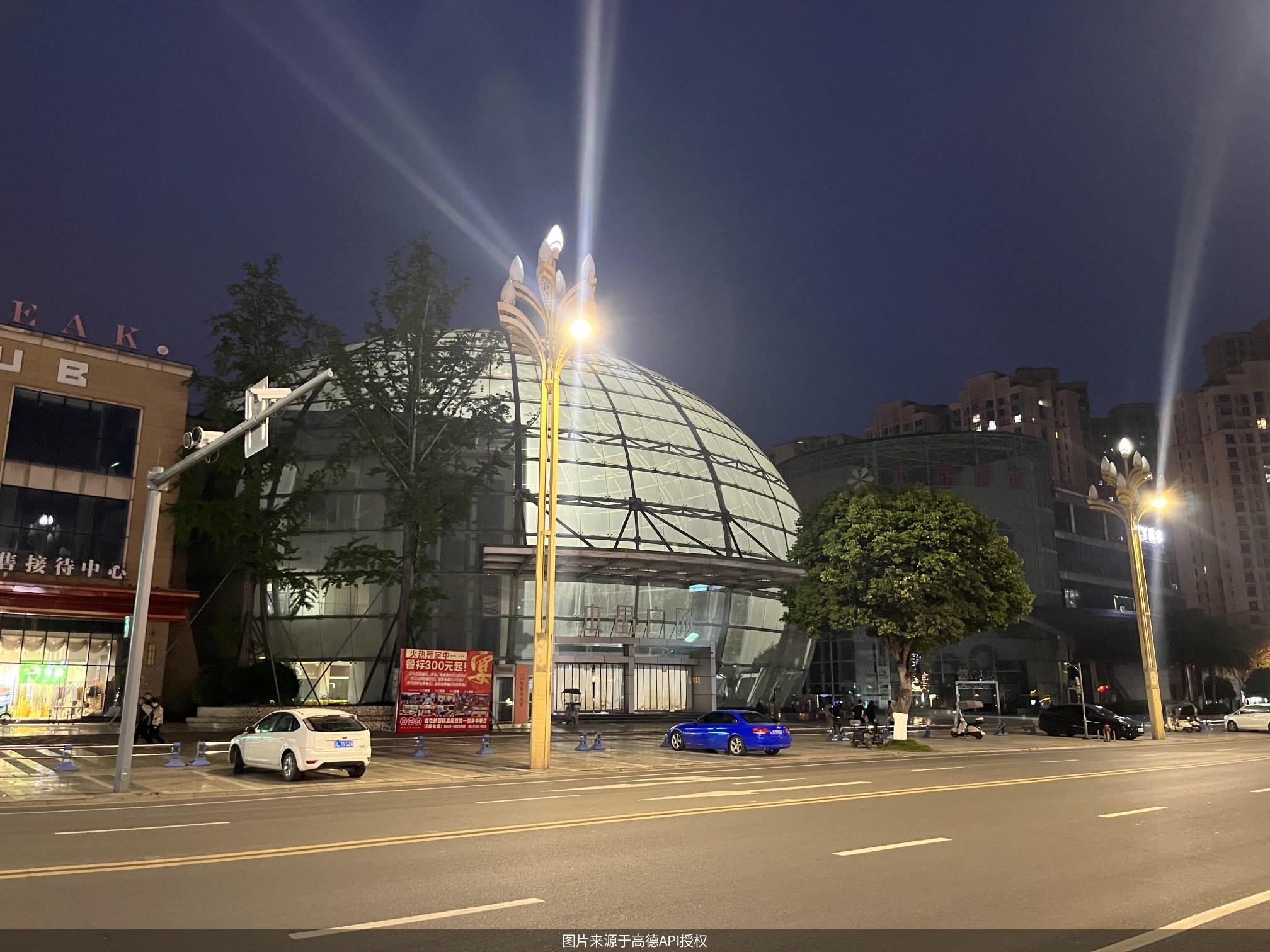
Itinerary at a glance
| 09:30 | Womei Shopping Plaza: The Hard-Goods Stock-Up |
| 11:30 | Crystal Plaza Zone A: Meals and Fitting |
| 14:30 | The Emeishan Intangible Heritage Exhibition Hall: Gifts with Provenance |
| 17:00 | Wannian Huadi Fortune Plaza: Filling Gaps and Closing |
The route, stop by stop
Womei Shopping Plaza: The Hard-Goods Stock-Up
On Mingshan East Road, Womei is where locals actually shop: supermarket, pharmacy, outdoor and clothing floors together. The mountain list resolves here: rain shells (double the price at the gate), a thermos, calorie-dense snacks like chocolate and braised eggs, sunscreen and standard medicine, all at town prices thirty to fifty percent under the scenic area.
Buy water and bread for two mountain days; for a last-minute trekking pole, a telescoping aluminum model at thirty to sixty yuan suffices, no need to overpay at the gate.
Crystal Plaza Zone A: Meals and Fitting
Crystal Plaza is downtown's larger complex, its dining floor wider and fairly priced than the scenic area, so eat a proper lunch here to power the afternoon. Outdoor lines of sportswear brands can be tried on in person; mountain shoes must be bought this afternoon with a night to break in.
The rule: never take new shoes up the mountain, wear them at least half to a full day on flat ground; if the fit fails, prefer old shoes plus grip covers over gambling an unbroken pair on 3,000 meters of steps.
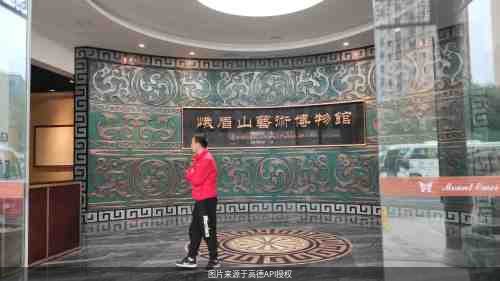
The Emeishan Intangible Heritage Exhibition Hall: Gifts with Provenance
The hall gathers Emei-related crafts: bamboo weaving, cloisonne, graded samples of Xueya tea and Zen-leaning design goods. The difference from gate-standard items is traceability, with makers and processes labeled beside the works and one notch more price transparency.
Three buys earn their keep: boxed Emei Xueya tea (check grade and date), bamboo tea scoops and coasters, and small cloisonne pieces themed on Puxian and the monkeys. Good gifts carry a story, keep long and travel light, and all three qualify.
Wannian Huadi Fortune Plaza: Filling Gaps and Closing
The last stop is Huadi plaza, the Wannian district's commercial center, built for gap-filling: mountain dry rations from the supermarket, sunscreen from the beauty store, and any missed power bank or heat packs. Staying in Wannian, dinner resolves here on the way.
Audit the day's haul: food dates, vacuum seals, the shoe break-in plan. Pack tomorrow's mountain bag tonight, the shopping day's last act being a morning where you just pick up and go.
| Getting around |
|
| Budget | Gift and gear budgets swing from RMB 50 tea to nanmu in the thousands; most travelers do well within RMB 300-600. |
| Best time | Any season; weekday mornings are calm while weekends stock newest and fullest. |
FAQs
How do I buy Emei Xueya tea without getting burned?
Three checks: graded labels, since top grades command several hundred yuan per 500 g loose and the tiers diverge sharply; the date, spring tea bought from April of the harvest year; and taste before buying the box, the liquor clear with a chestnut aroma. Gate-side farmer-seller stalls are mostly channel stock priced above mall counters.
What is the minimum gear list for the mountain?
Four: grippy shoes (or old sneakers plus grip covers), a light rain shell, a thermos and one windproof layer. Poles, knee braces and heat packs add by season and stamina. Shuttles and cableways absorb most climbing, so gear means handling slick steps and temperature swings, not mountaineering cosplay.
How big is the price gap between the gate and town?
Consumables, water, rain shells, snacks, run thirty to fifty percent apart, priciest near Leidongping and the summit; tea and crafts differ little since counter pricing is uniform. The sensible split: consumables from town supermarkets, tea gifts from proper counters and the heritage hall, and on the mountain only emergencies.
Do duck and tea pass rail security?
Tea passes freely; vacuum-sealed duck counts as sealed food and travels, about two days at room temperature, with courier shipping better for long hauls. Loose braised meats and soups face limits, so skip them. For two mountain days, sliced duck makes tomorrow's lunch, a full class above boxed meals up there.