
Five days is Fenghuang's comfortable solve: two unhurried days covering the lanes, famous houses and the river from the water; day three for South Phoenix Hill and Qiliang Cave; day four out to the wall and stone city; day five into Miao country, half a day at Shanjiang and half at Dehang to close.
Nights anchor in an old-town inn throughout, with only Dehang running far as a day trip. Tickets split into the old-town pass and rural singles per each site's same-day postings; charter demand clusters on days four and five, so settle the driver a day ahead.
Itinerary at a glance
| 第1天 09:00 | The Shen Congwen Residence: Putting Border Town Back in Its Courtyard |
| 第1天 14:00 | The East Gate Tower and the Stepping Stones: Wall plus Stone Piers |
| 第1天 19:30 | Hongqiao and the Night View: First Night's Lamps |
| 第2天 09:00 | The Xiong Xiling Residence and the Yang Ancestral Hall: A Humanist Morning |
| 第2天 14:00 | Tuo River Boating and the North Gate Wharf: Reading the Town from the Water |
| 第3天 08:30 | South Phoenix Hill National Forest Park: The High Look |
| 第3天 14:00 | Qiliang Cave: Ninety Minutes Underground |
| 第4天 09:00 | The Southern Great Wall: Four Centuries on the Rampart |
| 第4天 13:30 | Huangsiqiao Ancient City: A Tang Stone Town in the Afternoon |
| 第5天 08:30 | Shanjiang Miao Village and the Miao Museum: Half a Day in Miao Country |
| 第5天 14:00 | Dehang Miao Village: The Finale inside the Gorge |
The route, stop by stop
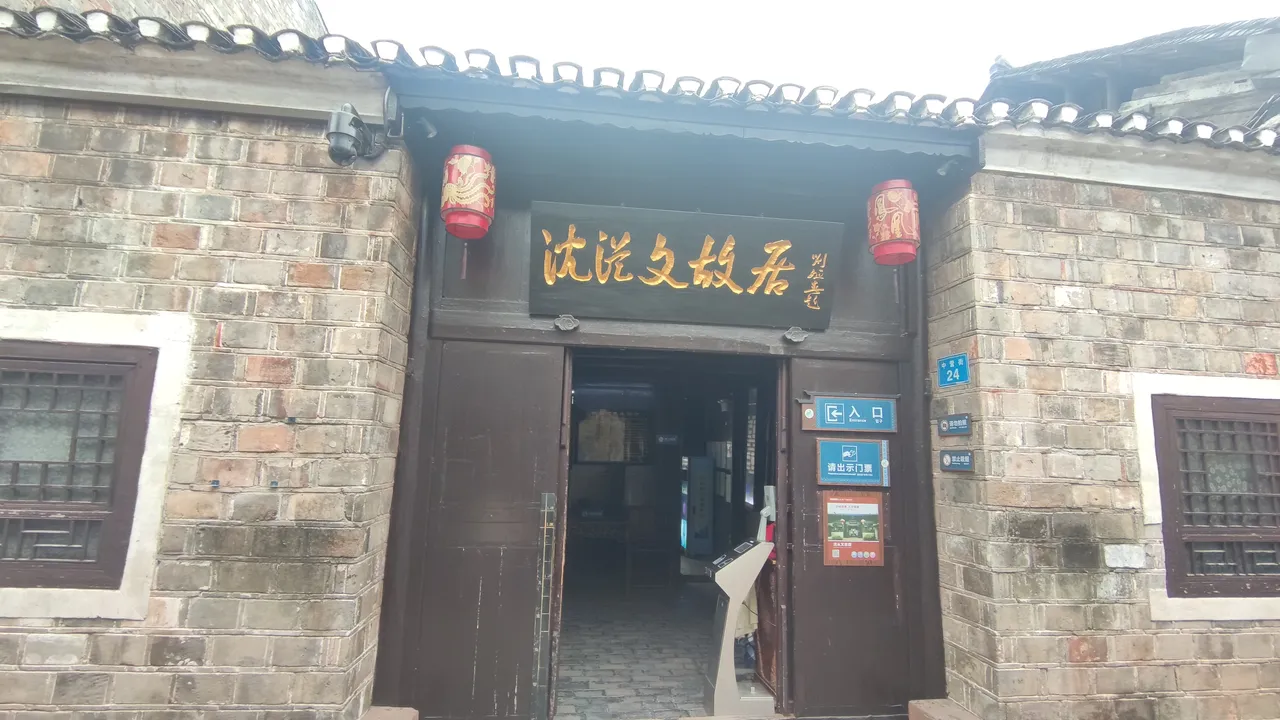
The Shen Congwen Residence: Putting Border Town Back in Its Courtyard
Five days open at Shen Congwen's house, manuscripts, first editions and life photographs in the timber courtyard, viewed courtyard first then rooms, the sunwell light falling on the desk, one passage of Border Town read in place, the town's literary base laid.
Leave the house into Zhongying Street and the lanes for an aimless hour, lunch in the lanes, and turn the afternoon toward the river.
The East Gate Tower and the Stepping Stones: Wall plus Stone Piers
The afternoon climbs the East Gate Tower for the town overview, then drops to the North Gate wharf for the stepping stones, two offset rows of piers with the river at your ankles, across and back, the first bodily memory of Fenghuang banked.
Sit the bank steps at dusk watching the far stilt rows light up. Leave boating out of day one, saving the water view for tomorrow's kinder morning light.
Hongqiao and the Night View: First Night's Lamps
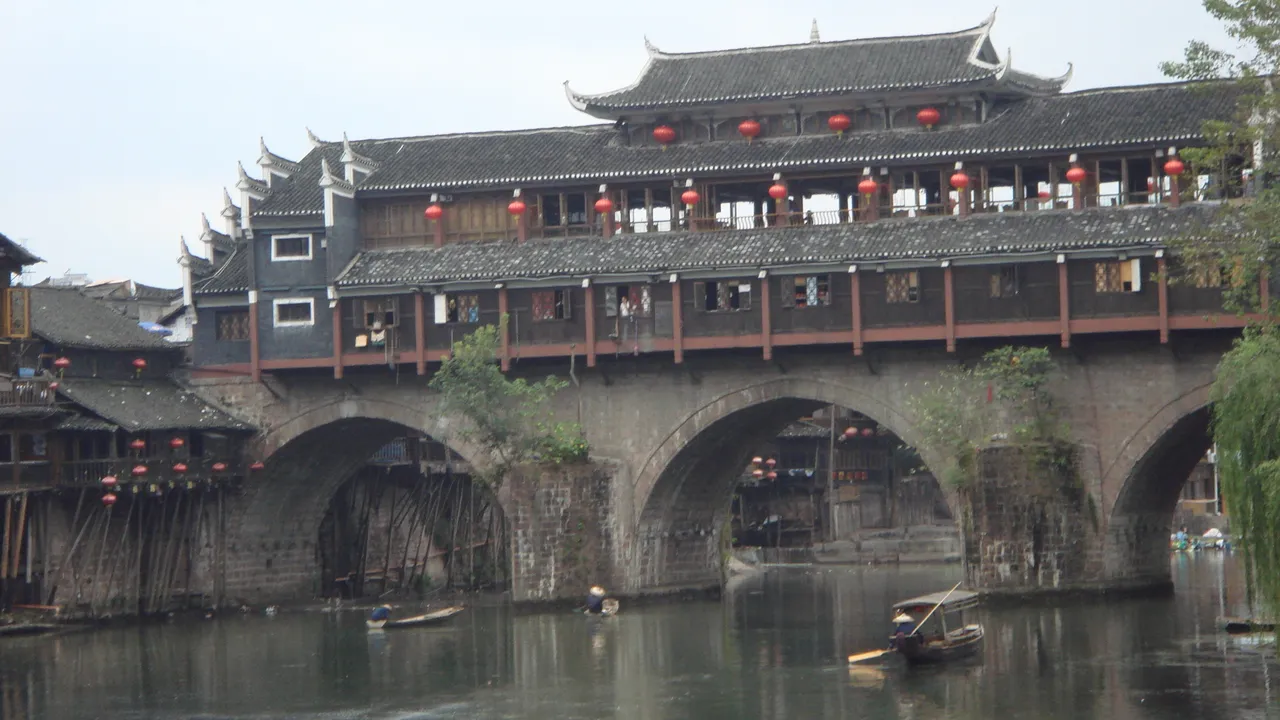
The first night belongs to Hongqiao: walk the bridge both ways, lamps and reflections lining the water, then take a stretch of bank steps. The town at night is Fenghuang's signature, and night one needs no schedule, lamps and current suffice.
Sup on a bowl of rice noodles riverside or in the lanes and rest early, for tomorrow morning chases the boating golden hour.
The Xiong Xiling Residence and the Yang Ancestral Hall: A Humanist Morning
Day two's morning completes the humanist list: Xiong Xiling's house for the premier's chronology, the Yang ancestral hall for a Qing military family's stage and carving, adjacent venues, two hours together, and a hall performance extends the stay ten worthwhile minutes.
Lunch on a simple Miao meal in town and bank energy for the afternoon's boat and night lights.
Tuo River Boating and the North Gate Wharf: Reading the Town from the Water
The afternoon's golden slot goes to the boats. Board at the North Gate wharf and let the punters row the town toward you from the water: stilt-house columns, washing steps, the bridge arches, every angle renewed. Twenty to thirty minutes earns its fare.
Walk the bank to Shawan after landing and sit the steps until the lamps come on; night two can add the night cruise, pairing with the daylight run.
South Phoenix Hill National Forest Park: The High Look
Day three climbs South Phoenix Hill, the forest park hugging the town's south edge, early trails cool and quiet, the mid-hill deck already framing gray roofs and the Tuo in one shot, the summit adding the whole western Hunan roll of hills.
Two to three hours round trip on steps and dirt, grip soles against the dew. Lunch down the hill, cave in the afternoon.
Qiliang Cave: Ninety Minutes Underground
The afternoon at Qiliang is the trip's coolest stretch, multi-level caverns spreading underground rivers and columns under lights, garrison history layered over karst, the cave's constant climate indifferent to weather outside.
Return to town afterward for an open evening, cruise, teahouse or lanes, since a five-day arc deserves one blank night at its midpoint.
The Southern Great Wall: Four Centuries on the Rampart
Day four leaves town. The Southern Great Wall is the Ming-Qing rampart dividing the Miao frontier, its climbable stretch looking over the line between Han farmland and Miao ridges, battlements and beacons a pared version of the northern wall. Two hours.
About twenty minutes by taxi from town, morning light modeling the masonry best; descend and continue southwest.
Huangsiqiao Ancient City: A Tang Stone Town in the Afternoon
The afternoon reaches Huangsiqiao, the Tang-founded garrison stone town intact, bluestone walls boxing a square city still inhabited, a forty-minute circuit with the interlocking masonry readable from below the wall.
Farmhouse lunch on the way back; into the old town by evening, bags still at the inn, Miao country waiting tomorrow.
Shanjiang Miao Village and the Miao Museum: Half a Day in Miao Country
The last day climbs into the hills. The morning takes Shanjiang village, stilt houses, stone lanes and elders in festival dress, then the town's Miao museum for migration and dress lineages, three hours for both, village first, museum second.
On a market day browse the Shanjiang market en route, and without one, no loss, the village itself carries. Miao lunch in Shanjiang at noon.
Dehang Miao Village: The Finale inside the Gorge
The five-day finale is Dehang, the village seated at the canyon floor where cliffs, streams and falls act out its Miao name, beautiful gorge, to the limit, folk shows and gate wine running by session, pure bonus when timing lands.
About ninety minutes back to Fenghuang, then the riverbank for one last set of lamps. Five days close their loop here: old town, river, wall and Miao country, every side of a small town.
| Getting around |
|
| Budget | Old-town passes plus rural singles total some RMB 300-400 pp, with Dehang and Shanjiang transport extra, meals RMB 80-120 a day. |
| Best time | Spring and autumn steadiest, summer crowded and dear; boat and night runs want clear skies, wet days swap wall and gorge for cave and town. |
FAQs
Will five days exhaust the old town's charm?
No, provided the country days interleave as planned: two in town, then landscape, then the wall, then Miao country, the old town carrying only part of each day. Night is the town's variable, five evenings of shifting lamps and river states, never a repeat.
How do I plan the old-town pass and rural tickets to spend least?
First count the core sights you will enter: three or more favors the pass, one or two means asking single-ticket rules. Rural wall, stone city, cave and villages mostly run singles bought by taste; all terms per each site's same-day postings, so recheck the day's plan before paying.
Does the Dehang day trip feel rushed, and how to fix it?
Two fixes: compress Shanjiang to two hours and leave by noon, buying Dehang a full four; or overnight in Jishou after Dehang, returning via the Aizhai Bridge next day, half a day extra for real ease. Dehang lodging runs tight in season, book ahead if staying.
Who suits this five-day plan?
It suits travelers treating Fenghuang as a destination, not a stopover: slow walkers, gallery goers, boaters, market hunters and shooters. Box-tickers need two days, with the remaining three better spent on the Aizhai and Furong landscape line. The five-day version pays in rhythm and depth, not counts.