
Seven days gives Fuzhou its full stretch: five urban days for the lanes, hills, shipyard and river, day six overnight in Songkou old town in Yongtai's hills, day seven across the sea bridge by rail to Pingtan for stone houses and coast. The first five run dense, the last two open, the effort curve rising then easing.
Two decisions matter: lodging in three blocks, four city nights, one old-town night, one island night, luggage trimmed per block; and the Pingtan leg rides entirely on weather, swapping to the city backup when wind and swell rise, never forcing an island day.
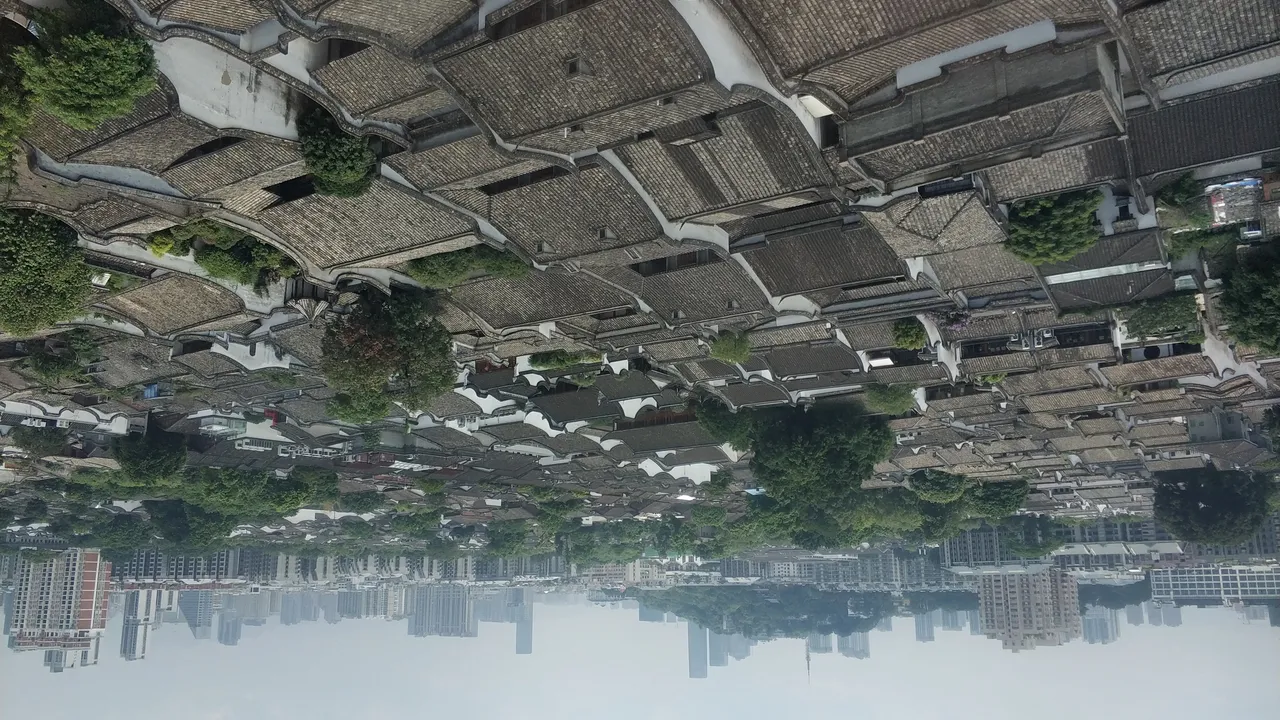
Itinerary at a glance
| 08:30 | Sanfang Qixiang with Yan Fu's Residence: Day One's Double Feature |
| 14:00 | Lin Zexu Memorial: The Modern Line, Stop Two |
| 09:00 | Hualin Temple: Day Two Starts in the Northern Song |
| 11:00 | Zhenhai Tower: Loading the Map into Your Eyes |
| 14:30 | West Lake Park and the Fujian Museum: A Lakeside Afternoon |
| 08:30 | Yongquan Temple on Gushan: Day Three's Hill |
| 14:00 | Guling: Old Villas and the Century-Old Pool |
| 09:30 | Shangxiahang: Day Four's Port Quarter |
| 14:00 | Yantai Shan and the River Dusk: Closing the Treaty-Port Line |
| 09:00 | The Mawei Shipbuilding Museum: Day Five Enters the Modern Era |
| 13:30 | Luoxing Pagoda: Beacon at the River Mouth |
| 09:30 | Songkou Ancient Town: Day Six into the Hills |
| 14:00 | Yuezhou Village: The Poet's Village Afternoon |
| 10:00 | Beigang Village, Pingtan: Day Seven Sees the Sea |
| 15:00 | Tannan Bay: The Finale on the Sand |
The route, stop by stop
Sanfang Qixiang with Yan Fu's Residence: Day One's Double Feature
Day one lives in the lanes: the main street and Water Pavilion in the morning, Yan Fu's residence in Langguan Lane after lunch, connecting the modern-thought thread in one pass. The remaining six days will keep echoing today's names.
Watch Nanhou light up at dusk, eat down the Daming street, and with lodging around Dongjiekou the hotel is a ten-minute walk away.
Lin Zexu Memorial: The Modern Line, Stop Two
The afternoon belongs to the Aomen Road memorial, from the opium destruction to the Ili reclamation. Its coastal-defense hall interlocks with tomorrow's Hualin Temple and day five's Mawei, making today the week's thought foundation.
Climb Wushan next door for the lanes panorama on the way out, then protect the evening for rest, a seven-day plan budgets energy by the week.
Hualin Temple: Day Two Starts in the Northern Song
Day two opens with the oldest thing on the menu: Hualin Temple's hall of 964, unmatched south of the Yangtze. Thirty quiet minutes set the tone for a full old-city day.
Walk or ride one stop to Pingshan, climb Zhenhai Tower, and re-recognize yesterday's lanes from the north along the city axis.
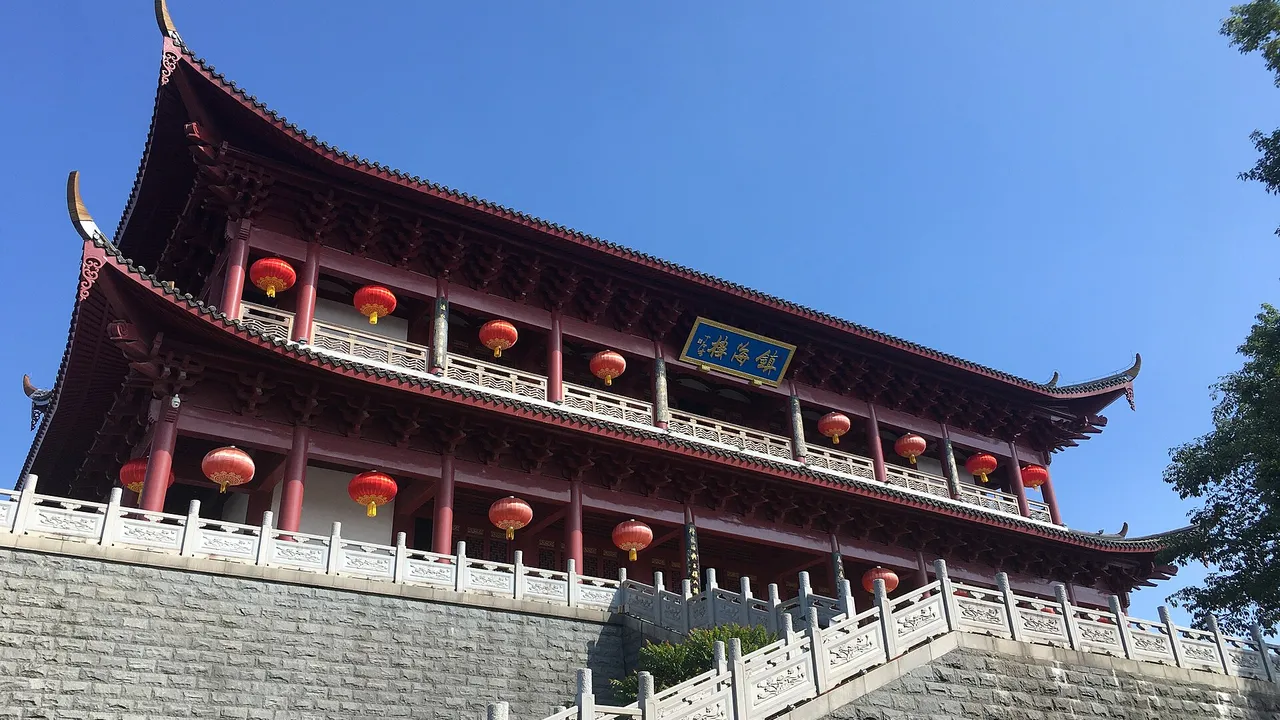
Zhenhai Tower: Loading the Map into Your Eyes
Zhenhai Tower's bonus is orientation: one sweep from the top places West Lake, the lanes and the Min River in their true relations, and the rest of the week never loses its bearings. The old city's due-north gate tower, its fengshui and military logic both written along this axis.
Descend and aim the afternoon at West Lake and the museum.
West Lake Park and the Fujian Museum: A Lakeside Afternoon
The afternoon pairs museum and lake in either order: two hours of maritime trade and Fujian chronology inside, then a three-kilometer lakeside walk to digest the galleries. A Jin-dynasty lake spreads seventeen centuries of routine along its banks.
Back to Dongjiekou by evening; after dinner add a Nanhou night stroll to bank the lanes' nocturnal look.
Yongquan Temple on Gushan: Day Three's Hill
Day three climbs Gushan in the morning: an hour on the pilgrim path, two hours for the temple and Heshuiyan inscriptions. The week's first exit from the city, the hill's coolness and river views reset the lungs.
Descend for a midday rest, then ride up to Guling, where ridge villas and clouds set the afternoon-tea scene.
Guling: Old Villas and the Century-Old Pool
Guling's subject is summer life a century ago: the international clubhouse, old church and stone-built pool, all actual relics of the late Qing and early Republic. The millennium cryptomeria in Liushanwang Park is the landmark, and half an hour on its stone bench clears two days of city noise.
Descend by dusk and keep the evening empty, banking leg strength for day four's walking.
Shangxiahang: Day Four's Port Quarter
Day four's theme is modern commerce: the morning through Shangxiahang's guild halls and the Sanjie River, understanding Fuzhou's port-town routine. New cafes and small kitchens interleave the red-brick halls, pace entirely yours.
Lunch in the quarter; Yantai Shan follows on foot or one bus stop.
Yantai Shan and the River Dusk: Closing the Treaty-Port Line
The afternoon climbs Yantai Shan, consulates and trading houses across the slopes; at dusk walk down to the Min and watch the far bank ignite. The night cruise is optional: a seven-day plan already owns enough waterside hours, ride only if legs agree.
The alternative is a riverside walk plus late supper, Fuzhou's river night matching any cruise.
The Mawei Shipbuilding Museum: Day Five Enters the Modern Era
Day five's morning goes to Mawei: three hours through the shipyard museum and academy campus, ship models, blueprints, old workshops, the modern navy's origin in plain sight. Yan Fu and Zhan Tianyou formally merge with day one's lanes thread here.
Heavy walking inside, sneakers on; take the guide, the yard's history is detail-dense.
Luoxing Pagoda: Beacon at the River Mouth
The afternoon's Luoxing Pagoda is the shipyard line's geographic footnote: the Mawei naval battle fought below it, the pagoda overlooking the broad confluence. Stand a quarter hour in the river wind and five urban days tie off.
Back in town, pack for the hills: one night's worth only, big bags stay at the city hotel.
Songkou Ancient Town: Day Six into the Hills
Day six leaves the city, reaching Songkou in Yongtai by late morning: arcade street, crane lane, old ferry steps, a town preserving Ming-Qing wharf life as-is. No checklist today, the assignment is to settle in and slow down.
Lunch in town; the afternoon offers teahouses or a chartered run to Yuezhou Village, creek bend and fortified manor in a half-day return.
Yuezhou Village: The Poet's Village Afternoon
Yuezhou in the afternoon is quiet down to the creek sound: Zhang Yuanqian's house, the Ningyuan manor walls, the peach-creek bend, an hour's walk through it all. Village time runs slow, ideal for digesting six days of accumulated input.
Return to Songkou by dusk, dinner on the straight street, and the heritage-house silence at night is something no city budget can buy.
Beigang Village, Pingtan: Day Seven Sees the Sea
Day seven switches channels: rail from Fuzhou or Fuzhou South stations crosses the sea to Pingtan in about thirty-five minutes, then onward to Beigang. Stone houses climb the hill facing the water, the fishing village gray but never dull, sea wind and surf taking over the day.
Design guesthouses have multiplied in Beigang; sip coffee staring at the water, or take the lane behind the village uphill for the panorama.
Tannan Bay: The Finale on the Sand
Tannan Bay closes the week: a long bay of fine sand with fewer visitors than the island's north, evening light gilding the water. July to September nights hold a chance of blue tears, bioluminescent surf as a luck-based bonus.
After sunset ride to Pingtan station, rail back to Fuzhou, and the week closes on the sound of waves.
| Getting around |
|
| Budget | Tickets about RMB 250, six nights RMB 800-2000, plus meals and transit; roughly RMB 2500-4500 pp overall. |
| Best time | Apr-Jun and Sep-Nov are best; July-Sep adds a chance of the blue tears on Pingtan, but watch typhoon forecasts. |
FAQs
Can seven days hold up physically?
Yes, pacing decides it: alternate heavy and light days through five, a pure rest day in the old town, stroller-grade effort on the island. Cap daily steps around twenty thousand and cut sights before cutting sleep or the midday pause, and the week reads more like maintenance than a march.
What is the safest way to schedule the Pingtan trains?
Go out on a morning departure for a full island day; return on a train after 19:00 to keep sunset and blue-tears odds alive at Tannan Bay. Lock tickets days ahead in season, pad forty minutes for station transfers, and never hard-pin island timing.
How does the week flex for rain or typhoons?
Three layers: city rain swaps in museum days, shipyard included; heavy hill rain cuts the Songkou leg, moving old-town nights to Guling lodging; under typhoon warning, cancel Pingtan outright, train suspensions are routine. Seven days absorbs a day or two of bad weather with room to spare.
What does the whole week cost?
RMB 2500-4500 pp covers most styles: tickets about RMB 250, transit including the island rail RMB 300-500, meals RMB 100-150 daily, six nights the most elastic line from heritage guesthouses to city hotels. Shopping and experiences extra, and earlier room bookings save the most.