
One day in Hefei holds three words: Bao Gong, the Three Kingdoms and Chu culture. Walk the shrine and tomb along Bao Creek in the morning, recall Zhang Liao's eight hundred at Xiaoyaojin at noon, see the late-Qing statesman's house on Huaihe Road in the afternoon, and end at the Anhui Museum before the four-hundred-kilogram Chu ding. Four stops, three thousand years.
The route runs old town to new: Bao Park, Xiaoyaojin and Huaihe Road crowd the old city, chained on foot and metro, while the museum sits in the government district twenty minutes by rail. Hefei paces slower than the first-tier cities, so four stops fit easily, and save stomach room for the duck-fat biscuits at the Luzhou roast duck house.
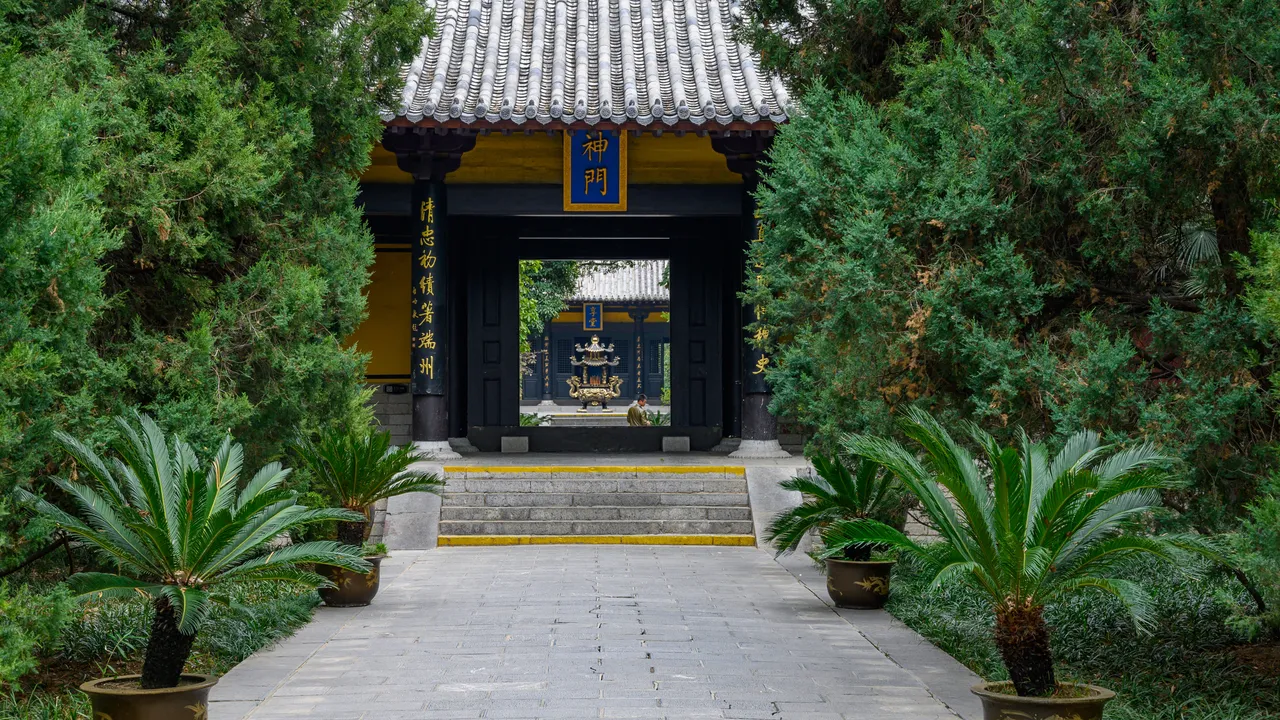
Itinerary at a glance
| 08:30 | Bao Park: A Garden Complex to an Incorruptible Judge |
| 10:30 | Xiaoyaojin: Where Zhang Liao Struck Terror |
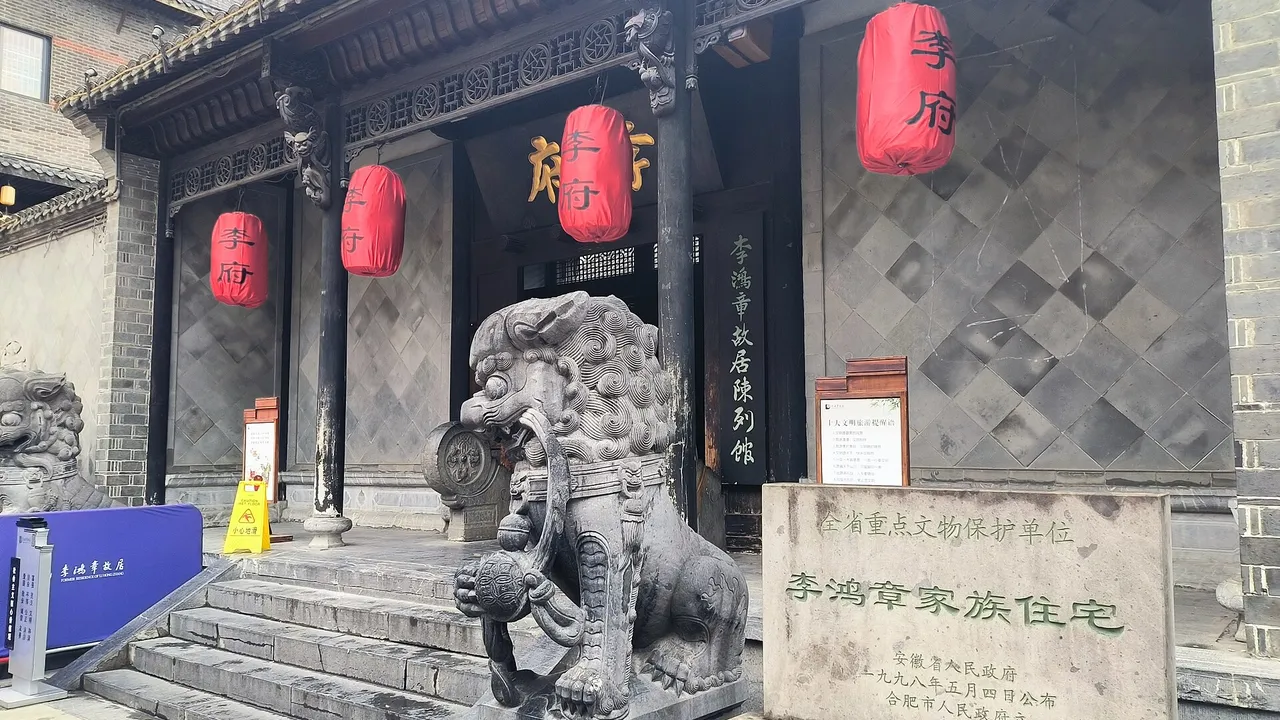
| 12:00 | Huaihe Road and Li Hongzhang's Former Residence |
| 14:30 | The Anhui Museum: The Chu Ding and the Hui Lineage |
The route, stop by stop
Bao Park: A Garden Complex to an Incorruptible Judge
Bao Park spreads along Bao Creek, four sights, the shrine, the tomb, the Qingfeng Pavilion and Fuzhuang islet, composing a garden complex to Bao Zheng, the Northern Song's famous incorruptible official. The shrine's plaques and the waxwork court scenes are the wellspring of folk imagination about honest judges; the creek's lotus roots are said to be threadless, a pun on selflessness.
Enter at the shrine, walk west along the creek to the tomb, climb Qingfeng Pavilion for the whole park, and close at Fuzhuang's little Jiangnan garden. Two hours on shaded paths, walkable even in summer.
Xiaoyaojin: Where Zhang Liao Struck Terror
Xiaoyaojin Park stands on a Three Kingdoms battlefield, Hefei being the front line in the Wei-Wu seesaw, where the tale of Zhang Liao striking terror unfolded: eight hundred raiders shattered a hundred-thousand-strong Wu army and nearly captured Sun Quan himself. Today it is a free civic park, the old ford's martial air traded for water and shade.
A statue of Zhang Liao and related memorials stand inside, where history fans can sort out the campaign by the lake. The park is compact, an hour enough, exiting straight onto Huaihe Road.
Huaihe Road and Li Hongzhang's Former Residence
Huaihe Road is the old city's commercial spine, and mid-street sits Li Hongzhang's former residence, the late-Qing statesman's Hefei house, its Hui-style gate tower holding exhibits on the Li family and the Self-Strengthening Movement. A life of youth in the exams, prime in arms, middle age as governor, and late years in foreign affairs compresses into a few halls.
An hour covers the house; lunch happens on the street, where the Luzhou roast duck house serves duck-fat biscuits crisp outside and soft within with red-bean pudding, the local standard, well fed on RMB 30.
The Anhui Museum: The Chu Ding and the Hui Lineage
Give the day's finale to the Anhui Museum. The treasure Chu ding, the Zhuke great cauldron, weighs about four hundred kilograms, among the largest surviving Eastern Zhou bronze round tripods, its rim inscription and long legs compressing late Chu grandeur into one vessel; the Ejun Qi gold tallies, travel permits issued by the Chu king, carry gold-inlaid inscriptions still legible.
Among the permanent displays, the Hui architecture and the scholar's four treasures galleries are quintessentially Anhui: physical components of Hui houses plus the craft history of Xuan paper, Hui ink, She inkstones and Xuan brushes, lifting your grasp of the word Hui a full level.
| Getting around |
|
| Budget | The Bao Park combo runs about RMB 50, the museum is free with booking, meals around RMB 80, roughly RMB 150-200 pp for the day. |
| Best time | Mar-May and Sep-Oct suit best; summers turn muggy in the gardens, so start early and finish early. |
FAQs
Is one day enough for Hefei? Will it be dull?
Yes, and not dull. The day's spine is clear: Bao Park, Xiaoyaojin, Li Hongzhang's residence and the museum each hold independent interest at a looser pace than trendier cities. Lukewarm on museums, swap the Anhui Museum for a dusk walk around Swan Lake in the government district, an easier garden-and-dinner close.
How do I book the Anhui Museum, and when does it close?
Free with real-name booking on the official platform; in season lock a slot one or two days ahead. It closes Mondays, with holiday arrangements per official notices. Foreign passports book by passport number and enter with the original. The Chu ding and gold tally galleries sit on the main floor, so read the floor plan first.
Must I see all four Bao Park sights, and is the combo ticket worth it?
The combo runs about RMB 50 for four sights, and worth depends on time: the shrine and tomb are the core, Qingfeng Pavilion gives the park overview, Fuzhuang is leisure. Short on time, take shrine plus tomb plus the pavilion climb, about ninety minutes; the combo costs little more than singles and spares all decisions.
How tiring is the day, and does it suit seniors and kids?
Around 12,000 to 13,000 steps, gentler than most cities' classic lines, with gardens and museums carrying the day. For seniors, use the rest seats inside the museum and residence; for kids, the battlefield story and park facilities at Xiaoyaojin hook best, so stretch that stop to ninety minutes.