
Hefei's cultural identity stacks three layers: Judge Bao's tradition of integrity, battlefield memory of the Three Kingdoms, and today's city of science and education. The day follows that arc: the Chu ding and Hui lineage at the museum in the morning, Bao Zheng's story at the park by noon, Zhang Liao's stand at Xiaoyaojin in the afternoon, and at dusk a walk around the science university's edge to feel the city's modern confidence.
Booking is the pivot: the museum is free with real-name reservation and closes Mondays; the park combo sells on site; campus visits follow the university's current notice, and the perimeter streets alone convey the atmosphere, no need to insist on entering.
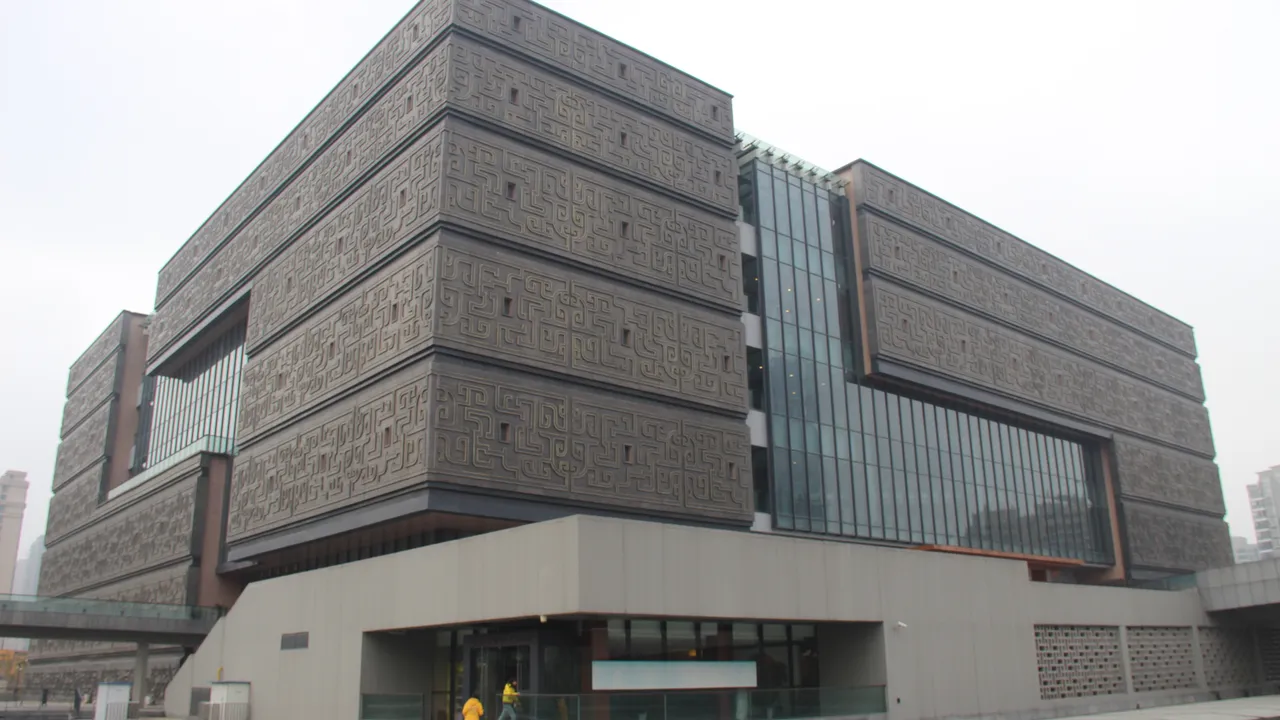
Itinerary at a glance
| 09:00 | The Anhui Museum: The Chu Ding and the Scholar's Four Treasures |
| 12:30 | Three Sights of Bao Park: The Shrine, Qingfeng Pavilion and Fuzhuang |
| 15:00 | Xiaoyaojin: A Field Lesson in Three Kingdoms Hefei |
| 17:30 | Around the Science University: Dusk in a City of Learning |
The route, stop by stop
The Anhui Museum: The Chu Ding and the Scholar's Four Treasures
Meet the Chu ding at opening, a bronze cauldron of about four hundred kilograms standing center-hall, its belly inscription Zhuke recording the casting artisans, among the mass peaks of Eastern Zhou bronze. The Ejun Qi gold tallies spell out Chu's river and land trade routes in legible gold inlay, actual Warring States travel permits.
The second half turns Anhui: the Hui architecture gallery rebuilds the structural logic of Hui houses from real components, and the scholar's-treasures gallery traces the craft chain of Xuan paper, Hui ink, She inkstones and Xuan brushes. Two and a half hours covers all three layers, an audio guide raising the yield.
Three Sights of Bao Park: The Shrine, Qingfeng Pavilion and Fuzhuang
Shift to Bao Park at noon, where the culture day focuses on three stops: the shrine, reading the plaque and waxwork court scenes to see how the honest-judge narrative formed; the Qingfeng Pavilion, climbing for the full creek view while its exhibits fill in Bao Zheng's life; and Fuzhuang, a small Jiangnan garden on the east bank, the right place to rest tired feet.
The tomb lies west of the shrine, skippable when pressed or saluted in a brisk fifteen minutes. Three sights chain in about two hours; dining inside is thin, so eat early in the old town or carry a simple lunch.
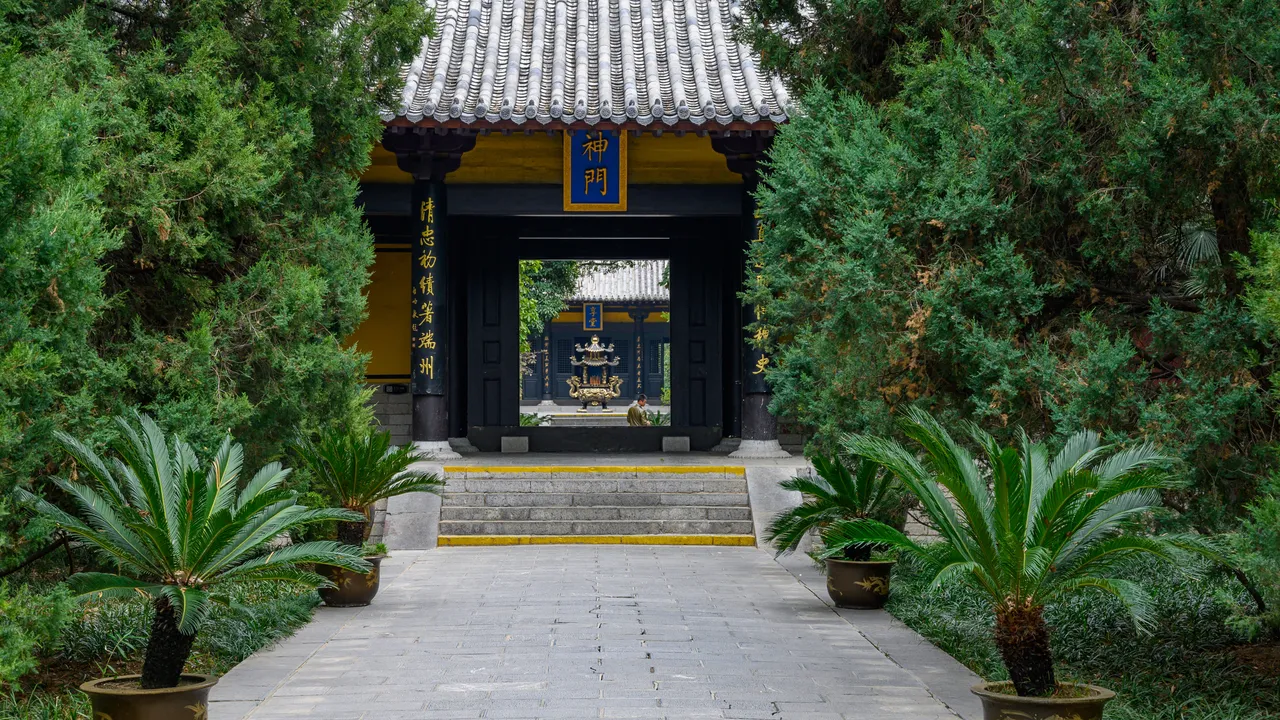
Xiaoyaojin: A Field Lesson in Three Kingdoms Hefei
Xiaoyaojin Park sits on the contested ground of the Wei-Wu seesaw, and Zhang Liao's strike here is the origin point of Hefei's historical memory: eight hundred raiders smashing a hundred-thousand-strong camp, nearly seizing Sun Quan alive. The statue and displays tell it in full, and the lakeside quiet helps it settle.
A quarter hour by metro or cab from Bao Park, an hour inside, and exiting along Huaihe Road you can glance at the facade of Li Hongzhang's residence, closing the day's history loop.
Around the Science University: Dusk in a City of Learning
Give the culture day's close to the perimeter of the University of Science and Technology, the core of Hefei's science-city identity: the gifted youth program, quantum communication, the artificial sun, keywords that lifted this city out of the ordinary provincial-capital list. Walk the surrounding blocks of plane trees, used bookshops and student canteens, another Hefei altogether.
Campus entry follows the university's current notice, and skipping it costs nothing: from outside, the density between campus and city reads clearly. Dine nearby at student-honest prices, genuinely honest.
| Getting around |
|
| Budget | Museum and parks run free or cheap, about RMB 60-100 pp before meals. |
| Best time | Year-round with climate-controlled halls; the museum closes Mondays, so dodge that day or reorder. |
FAQs
Which deserves more time, the museum or Bao Park?
Allocate by taste: for artifacts and historical systems give the museum three full hours; for a person's story and garden mood, the park's shrine, pavilion and islet immerse better. Both fit in one day at the standard ratio, two hours each, half a day apiece.
Can I enter the science university campus, and what if not?
Entry policy shifts with seasons and management, so trust only the university's official channels for the current rule, with no promise of open access. No entry is no loss: the stop exists to feel the science-city atmosphere, and the streets, bookshops and cafes outside suffice, freeing time better spent on Xiaoyaojin's campaign displays.
Is this route workable with a primary-school kid?
Workable, with educational dividends: the battlefield tale, the honest-judge narrative and the giant bronze ding are textbook pages made solid. Cap the museum at two hours, leave lake-side free time at Xiaoyaojin, schedule the nap break under Fuzhuang's shade, and a child's battery lasts the day.
After a day of culture stops, what exactly is Hefei's culture?
Three layers stacked: ancient Chu culture and the Bao tradition of integrity, Three Kingdoms military memory, and the modern science-and-education temperament. Hefei's culture is less static display than a modern narrative of short history and explosive force, and this day, from the Chu ding to the streets below the campus flagpole, touches each layer once.