
Hefei's shopping map draws two lines: the old-city line buys memory, heritage names on Huaihe Road, small goods at the temple market, pastry shops of the four famous points; the new-district line buys modernity, the museum turning the Chu ding into fridge magnets, government-district malls as standard urban retail. Both fit one day, and the luggage agrees.
Three rules for shopping day: concentrate souvenirs at the final stop rather than hauling all day; buy design goods only at the museum and Lei Street's proper stores; and for tea or scholar's supplies you cannot authenticate, choose brand stores over street stalls. Prices run low, front-rank friendly among provincial capitals.
Itinerary at a glance
| 10:00 | Huaihe Road and the Temple Market: The Old City's Shelves |
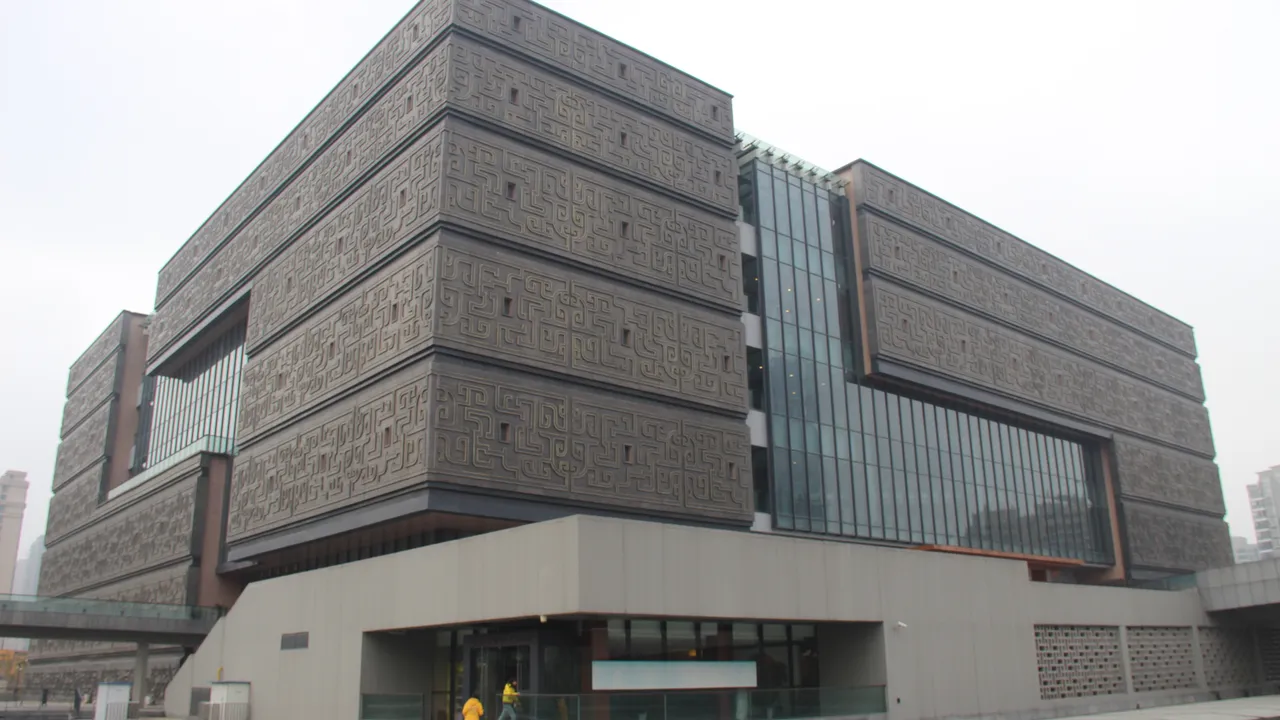
| 13:30 | Anhui Museum Design Goods: Taking the Chu Ding Home |
| 15:30 | The Swan Lake District: Modern Retail in the Government Quarter |
| 18:00 | Lei Street's Design Goods and Night Market: The Shopping Close |
The route, stop by stop
Huaihe Road and the Temple Market: The Old City's Shelves
Shopping opens in the old city. Huaihe Road is the veteran commercial street, clothing, bags and heritage names mixed; the temple market west of it rewards more browsing, small goods, tea, dried foods and local snacks packed tight, haggling and street life intact.
This stop's goal is reconnaissance: note baseline prices for the four pastries and tea, for comparison later. To buy now, the heritage pastry shops at the temple market far outtrust scenic stalls.
Anhui Museum Design Goods: Taking the Chu Ding Home
The museum's design counters source Hefei's most recognizable souvenirs: Chu ding figures and fridge magnets, Ejun Qi tally bookmarks, silk scarves and stationery in Hui-lattice patterns, well designed and priced with restraint, ample choice from RMB 30 to 200.
Settle the scholar's-treasures gift boxes here too: Xuan paper, Hui ink and She inkstone combos in starter and advanced grades, right for gifting or keeping. Buying inside guarantees quality control, steadier than the old city's curio stalls.
The Swan Lake District: Modern Retail in the Government Quarter
Give late afternoon to the large malls around Swan Lake in the government district, Hefei's new-district retail home ground: brand fashion, beauty, homeware and supermarkets complete, basement and rooftop dining for rests. Even buying nothing, a lap of the lake greenway earns its keep, lake and towers framed together, the new district's standard portrait.
Practically, this is the resupply stop: daily necessities and kid snacks in one pass at near-online prices, the win being immediacy.
Lei Street's Design Goods and Night Market: The Shopping Close
Place the final souvenir stop at Lei Street: the quarter's small design shops sell handmade jewelry, local-illustration postcards and pouring-vessel sets themed on the lei rite, more character than scenic trinkets, while the night market's fresh snacks double as tasting and dinner in one.
Run a final check before paying: pastry shelf life, padding on scholar's goods, shock protection on breakables. Luggage room left, add a box of mah cake; none left, raise a glass and close the day.
| Getting around |
|
| Budget | Souvenir budgets swing from RMB 50 pastry boxes to gift sets in the hundreds; most travelers finish within RMB 200-500. |
| Best time | Any season; weekends stock the design shops fullest though malls crowd, while the temple market rewards weekdays. |
FAQs
What souvenirs from Hefei are worth buying?
Four safe lanes: boxes of the four famous pastries, long-keeping and crowd-pleasing; museum design goods with Chu ding and Hui motifs, genuinely designed; starter scholar's-treasure boxes of Xuan paper, Hui ink and She inkstone; and handmade or local-illustration pieces at Lei Street. Tea runs deep and risky, so the tea-blind should buy small brand-store packs.
Can the temple market still yield genuine finds?
What you hunt is street and sundries, not antiques: dried foods, teas, bamboo and wooden ware, sewing supplies, the practical strongholds, with inflated asking prices open to haggling. Antique-and-painting seekers should walk past, since the old objects treat visitors roughly; practical shoppers take home pleasing daily goods at half the first price.
How do mall prices compare with online?
Standard goods price at par or a few percent up, bought in person for immediacy and inspection; local specialties and design goods have thin online choice, so offline wins there. Skip per-item comparisons, set a souvenir budget, and drop the priciest piece when it breaks.
How do I buy scholar's treasures without getting burned?
Three rules: buy at the museum counters or brand stores, where channel beats connoisseurship; choose combo boxes over loose ink sticks for transparent information, starter grades at RMB 100-300 plenty; and demand a test write and grind, walking away from any seller who refuses. Deeper study of inkstone eye-patterns and ink glue ratios can wait; beginners need none of it.