
Yili's cultural depth sits not in faux-old streets but in museum cases and on craftsmen's benches. Four stops today: the prefecture museum builds the frame of steppe civilization and frontier history, the bow museum and the horse-gear workshop show two living heritage crafts, and the night's muqam performance turns every pattern you saw by day into sound and movement.
The trick is alternating stillness and motion: both morning venues are indoors, low on walking and high on information; the afternoon workshop lets you watch the master work and chat; the evening show digests the day. All four sit in or near the city, each ride under fifteen minutes, and the day stays light.
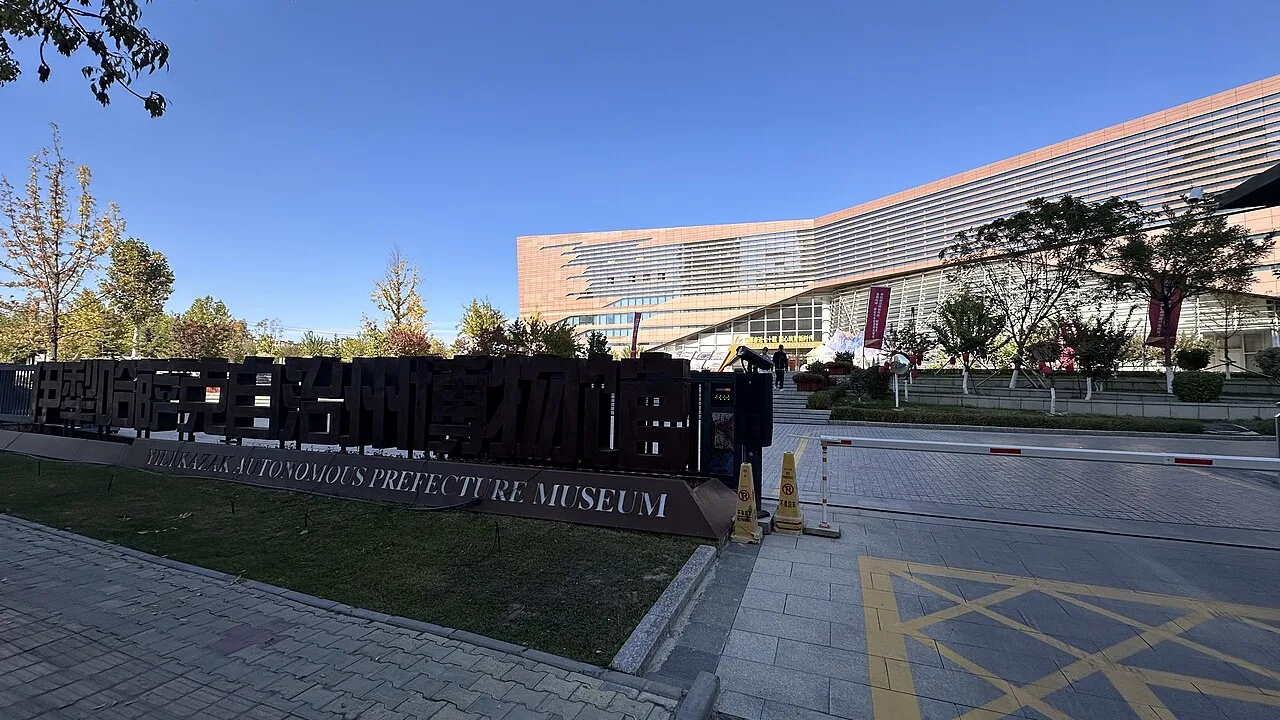
Itinerary at a glance
| 09:00 | Yili Kazakh Autonomous Prefecture Museum: Building the Frame First |
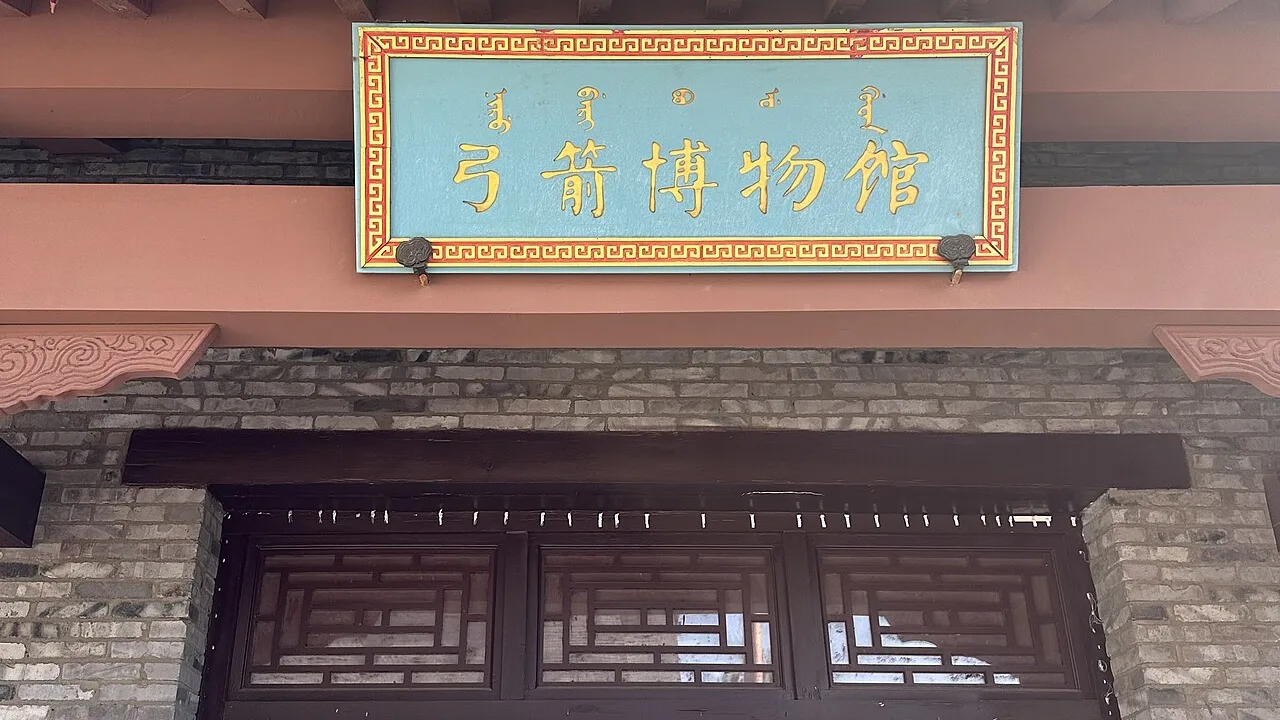
| 11:00 | The Bow and Arrow Museum: A Craft Still Breathing |
| 14:30 | The Arsilan Horse-Gear Heritage Workshop: Nomad History on a Saddle |
| 20:00 | The Tianshan Muqam Grand Theatre: Singing Back Everything You Saw |
The route, stop by stop
Yili Kazakh Autonomous Prefecture Museum: Building the Frame First
This stop fits the rest of the day with context: Mesolithic and Bronze Age finds show how ancient the nomadic tradition runs, the Wusun and Han galleries carry the story of the princess marriages, and the Qing room explains the Yili General's founding and Huiyuan's rise and fall. With these in hand, the crafts later in the day read on another level.
Watch three things: the faces and adornments of the steppe stone men, the structural model of a Kazakh yurt, and the route map of the Xibe westward migration. The embroidery motifs and saddle ornamentation in the ethnography hall reappear that night as stage costumes, and the echo is the pleasure of this line.
The Bow and Arrow Museum: A Craft Still Breathing
On the steppe the bow was never just a weapon; it marked coming of age and fed the sport of shooting. The displays run from traditional horn bows to modern competition recurves, making the wood-horn-sinew sandwich of a bow legible; the Xibe, famed archers, and the shooting tradition of Qapqal get a full section.
If a craftsman is working when you visit, stay an extra half hour: gluing horn, laying sinew, stringing up, a traditional bow takes seasons to finish. The thumb rings and arrowheads each carry their own lore; understanding one piece beats skimming the lot.
The Arsilan Horse-Gear Heritage Workshop: Nomad History on a Saddle
Yili is horse country, and horse gear is therefore a craft with dignity. The workshop walls hang with saddles, harnesses, leatherwork and brass fittings; the master's handmade saddles run from hide selection through cutting to stitching on experience alone, and a good saddle serves twenty years, growing shinier with use.
The difference from factory goods lives in details: tooled leather, chased brass, the plait of the reins, each with its rules. You can watch the work or commission a piece, which takes weeks; leaving contact details beats agonizing on the spot.
The Tianshan Muqam Grand Theatre: Singing Back Everything You Saw
The night show closes the loop: muqam is a suite-based classical tradition, tamburs, rawaps and hand drums sounding together, and when the dancers spin, the atlas silk flaring from their skirts is exactly what the display cases held by day. The words need no translation; the layering of rhythm and timbre is the content.
The performance runs about ninety minutes, nightly in season and spotty off-season, so check the calendar before buying. Front rows catch the players' fingers; mid-rear seats frame the formations and skirts better, so choose by taste.
| Getting around |
|
| Budget | Most venues are free or cheap; add the evening show and the day runs about RMB 150-350 pp. |
| Best time | Year-round, unaffected by seasons; show schedules follow the season's calendar, so book a day ahead in peak months. |
FAQs
Does the museum need booking, and what if slots run out?
The prefecture museum is free but needs real-name booking, tight on holidays, so reserve one or two days ahead; failing that, pick a weekday morning or promote the bow museum and workshop. The latter two are walk-in and essentially barrier-free.
Where do I buy muqam show tickets, and how much?
Buy through the theatre's official channels or licensed platforms, about RMB 100-280 by tier. Peak season runs many shows but good seats go fast, so lock in a day ahead. Off-season performances are not nightly; confirm the calendar before fixing that evening.
Are four culture stops in one day too much?
Not really: the two morning venues are static visits, two and a half hours suffices; the workshop takes half an hour to an hour; the show runs ninety minutes. The variables are lunch and transfers, each ride within fifteen minutes, so the day stays loose if lunch does not sprawl.
Is this route suitable for seniors or kids?
Very suitable: the day is low-intensity throughout, the venues have seating and lifts, the workshop naturally draws children, and the show is visual enough to need no language. Two notes: bring a light jacket for seniors against the air-conditioning, and pick aisle seats for kids at the show.