
Yili's shopping map stacks three layers: Yining's Grand Bazaar for street life and dried goods, Huocheng's lavender fields for scent and season, and the cooperation center at Khorgas for cross-border duty-free. The day runs through all three in order, buying the right thing in each: dried fruit at the bazaar, oils and sachets by the fields, Russian and Kazakh goods at the border.
Two disciplines first: for all edibles, ask shelf life and vacuum packing before negotiating price; and at the border center, know when to stop, the duty-free allowance is about RMB 8,000 per person per day and excess follows standard trade rules, so do the math before the spree. Haggling is etiquette at the bazaar, unnecessary at the center's fixed-price stores.
Itinerary at a glance
| 09:30 | The Yili International Grand Bazaar: A Morning of Dried Fruit and Scent |
| 12:30 | Six-Star Street: A Midday of Lunch and Handmade Goods |
| 14:30 | The Huocheng Lavender Farms: Packing Scent into the Luggage |
| 17:30 | Khorgas Port: The Duty-Free Final Lesson of the Cooperation Center |
The route, stop by stop
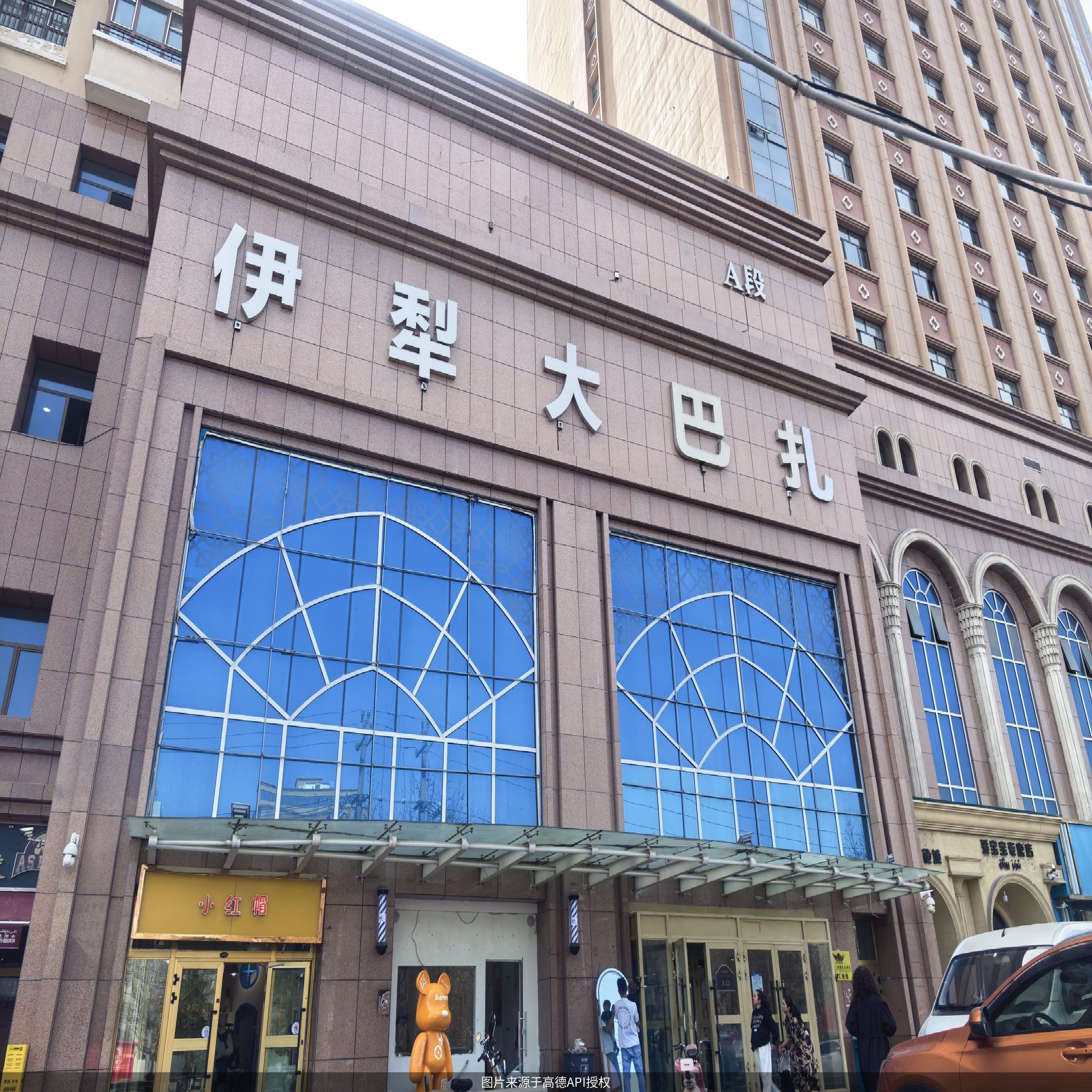
The Yili International Grand Bazaar: A Morning of Dried Fruit and Scent
Late morning the bazaar is still cool and the vendors most patient, the hour for unhurried choosing. The dried-fruit zone prices by variety and grade: green raisins, black currants, golden sultanas, almonds and figs each in tiers, and tasting before buying is the default, the more you taste the happier the stall.
Beyond edibles, walk the atlas silk and lavender aisles: genuine silk scarves feel cool and slick, and a burnt thread tells the truth; sachets and essential oils price by content. Photograph big-ticket stalls as you pass, compare the full loop, then return to buy.
Six-Star Street: A Midday of Lunch and Handmade Goods
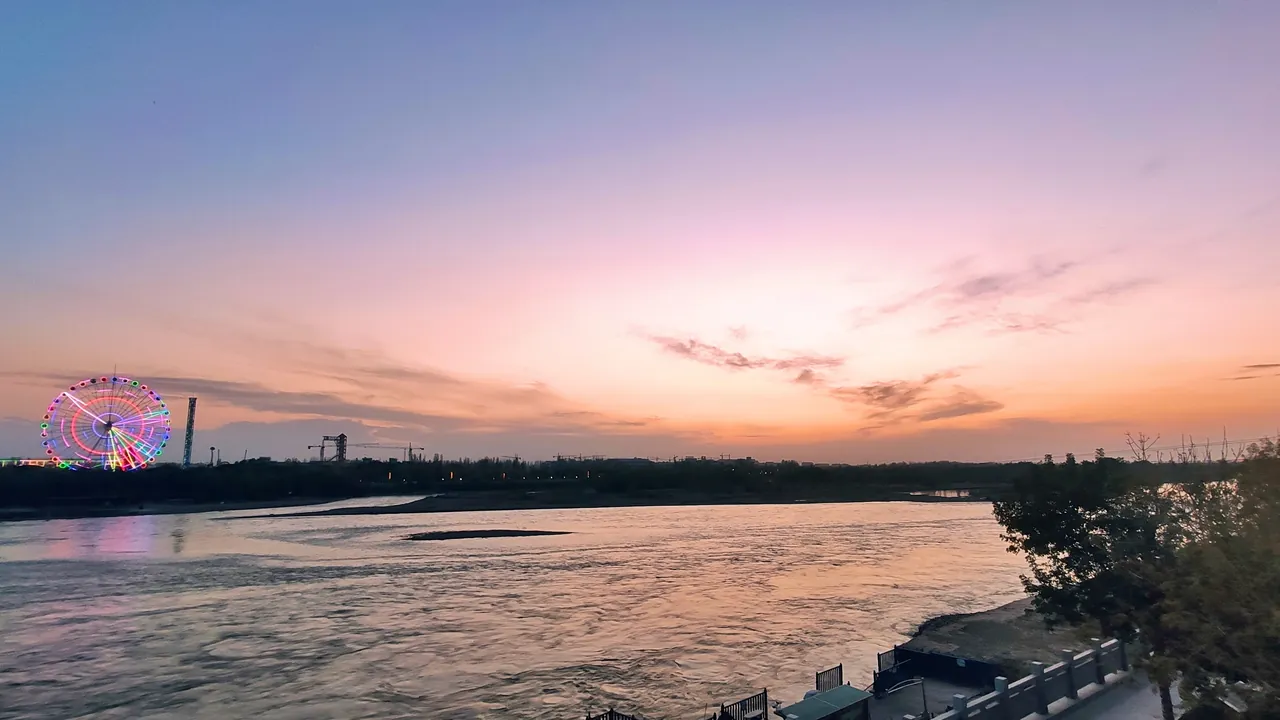
Back downtown for lunch on Six-Star Street and fill the handmade slot of the list: small shops carry leatherwork, hand-painted ceramics and postcards by local designers, honestly priced and easier to gift with a story than counter goods.
Spend half an hour digesting in the lanes with a kvass or an ice cream. The street's pleasure is slowness; owners tend courtyards and greet neighbors, buying feels like visiting, and only the unhurried find the good things.
The Huocheng Lavender Farms: Packing Scent into the Luggage
Huocheng is one of the world's few well-suited lavender regions, peaking mid-June to early July when the fields go a blue-violet. Even off-season the distillery and product counters run normally: essential oil, hydrosol, sachets and lavender honey, tiered by purity and volume.
Judge essential oil by composition and volume, hydrosol suits skincare-minded friends, and sachets are the lightest fill for suitcase gaps. In the fields, front-light photographs best, and after four the light softens and the purple deepens layer by layer.
Khorgas Port: The Duty-Free Final Lesson of the Cooperation Center
The China-Kazakhstan Horgos International Center of Border Cooperation straddles the line; enter with valid documents and you can cross between the two national zones all day. Kazakh chocolate, honey, camel-milk powder and kvass are the popular pulls, with Russian cosmetics and leather goods holding a steady fan base.
The keyword here is allowance: duty-free shopping runs about RMB 8,000 per person per day, and excess must be declared and taxed under standard trade rules, so do the math before swiping. Fixed-price chains keep prices steady, inspect small shops carefully, and keep receipts for the exit check.
| Getting around |
|
| Budget | A solid souvenir haul costs RMB 200-500 pp; border duty-free spending is uncapped, though the personal allowance runs about RMB 8,000 per day. |
| Best time | Year-round; mid-June to early July peaks the lavender fields and August-September brings the new dried-fruit crop, the two golden windows. |
FAQs
What limits apply to duty-free shopping at the border center?
The duty-free allowance is about RMB 8,000 per person per day, excess declared and taxed under trade rules; tobacco, alcohol and some categories carry extra limits. Do the math before paying, keep receipts and packaging intact for the exit check, and opened goods may be judged beyond personal use.
What is there to see and buy when lavender is out of bloom?
The fields get cut but the industry runs all year: the distillery, product counters and exhibition areas stay open, with oils, hydrosols, sachets, lavender honey and pillows always available. For purple seas, aim mid-June to early July; a second cut comes late August to September, much smaller.
Any tricks for haggling at the bazaar?
Walk the loop and compare first, the same dried fruit can vary thirty percent between stalls; opening at half is standard courtesy, and a counteroffer means room to deal. On edibles, confirm weight and unit price before bagging; for valuables, pass unless you know them, whatever the mood.
How do I carry food purchases home?
Dried fruit, honey and vacuum-packed meats travel as checked luggage, mind shelf life and airline rules; liquid oils and hydrosols must be checked, never carried on, with per-bottle and total limits. Pad liquids among clothes against leaks, and for international flights confirm destination customs rules on meats and dairy first.