
Yili's pastoral charm lives not in its priciest parks but in the everyday of workshops, bazaars, county towns and pastures. These three days deliberately avoid the main arteries: day one in Yining among crafts and the bazaar, day two settling into Tekes with an afternoon of riding and yurt tea on Kalajun pastures, day three a picnic in the Qiaxi woods before closing on Six-Star Street.
The rule of a slow route is two things a day. The county nights deserve real attention: the bagua town's streetlamps, Li Street's string lights, yogurt from the roadside stall, the other half of the scenery by day. Nothing here demands a checklist; travelers in a hurry will only be disappointed.
Itinerary at a glance
| 09:00 | The Arsilan Horse-Gear Heritage Workshop: An Opening Ritual for the Day |
| 11:30 | The Yili International Grand Bazaar: Shopping the Local Way |
| 15:00 | The Meila Sand-Painting Art Museum: The Valley's Colors Framed |
| 19:30 | The Yili River Scenic Area: An Appetizer Stroll in the Evening Wind |
| 09:00 | Tekes Bagua City: Waking inside the Trigram Streets |
| 13:00 | Pastures of Kalajun: Horses, Yurts and a Bowl of Milk Tea |
| 19:30 | Tekes Li Street: A Second County Night |
| 09:00 | The Qiaxi Scroll Viewpoint: A Farewell Picnic in the Forest Farm |
| 16:00 | Six-Star Street: The Slow Route's Last Cup of Tea |
The route, stop by stop
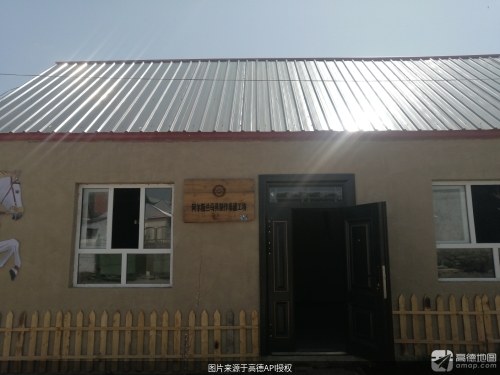
The Arsilan Horse-Gear Heritage Workshop: An Opening Ritual for the Day
The slow route opens with craft. Mid-morning the workshop is newly at work, hides stacked by cut, the master's movements carrying an old craftsman's rhythm. In Yili, saddles and bridles are daily goods, not souvenirs; herders drop in for repairs the way townsfolk drop by the market.
Half an hour explains one piece's structure, and questions are welcome, the masters mostly glad to explain. Small items sell here too, leather key fobs and horsehair trinkets at friendly prices, with better provenance than park souvenirs.
The Yili International Grand Bazaar: Shopping the Local Way
Midday the bazaar is a living scene: steam over the food court, sweetness off the dried fruit, atlas silk dazzling in the fabric rows. Follow the local route: a bowl of laghman or pilaf first, a tasting round through the fruit stalls, then today's road bread and fruit.
The mission here is observation, not shopping: how vendors greet regulars, the intonation of bargaining, which sweet counter has children queued. Half the material of a pastoral trip comes from markets, visible only at walking pace.

The Meila Sand-Painting Art Museum: The Valley's Colors Framed
Sand painting is a Yili specialty: natural colored sands and grits from the Ili valley serve as pigment, laying down the texture of steppe, snow peaks and river valleys with a granular quality no other medium has. The museum hangs large works and keeps an experience corner for laying a small piece yourself.
The galleries quiet down after three, right for slow looking. With children, paint a piece to take home, half an hour to an hour at a fair price, the lightest handmade memory on this route.
The Yili River Scenic Area: An Appetizer Stroll in the Evening Wind
Close day one with a riverside stroll. Before and after sunset the valley runs cool and soft, the bridge filling slowly with people and photo vendors. Chase no listed target; walk the bank twenty minutes as you please, a prologue to the county town's night three hours west.
Dinner at the riverside stalls or back downtown depending on the hour. Tomorrow heads for Tekes, so while packing tonight, bag separately the sunscreen, water and trail food the pasture day needs.
Tekes Bagua City: Waking inside the Trigram Streets
Reach Tekes mid-morning and climb the viewing tower first: eight avenues radiating outward, ring roads nesting within rings, the town like a chessboard laid by trigram. Descend into the streets and your sense of direction briefly fails, the town's greeting to every visitor.
The county morning runs slow: markets winding down, shops opening, teahouses filling with locals. Buy the hand-drawn town map as a keepsake; nothing helps you remember the town's shape better.
Pastures of Kalajun: Horses, Yurts and a Bowl of Milk Tea
The afternoon holds the slow route's core experience: up to Kalajun's herding country, skipping the main park, to call on a herder family's yurt. Ride an hour through slopes and streams with a led horse, safe for beginners; then dismount inside, where the hostess churns milk tea and serves boorsak pastries, butter scent mixing with grass.
The keyword is respect: sit by the household's rules, ask before photographing, and settle prices openly for riding and food. Herder accounts are clear and your payment is easy, and that decency matters more than savings.
Tekes Li Street: A Second County Night
Back in town, give Li Street a proper second-evening pass: browse the craft shops' leather and wool at fair prices, work through the night stalls in order, and let yogurt with honey cap a pasture day.
The slow route's privilege is not changing beds: two consecutive nights in the same county hotel mean luggage stays packed out. Walk back after dinner; the bagua town is quiet enough to hear your own footsteps.
The Qiaxi Scroll Viewpoint: A Farewell Picnic in the Forest Farm
Day three enters Qiaxi in the morning. With nan, fruit and yogurt bought in town, find a grass slope near the viewpoint and picnic: the spruce green, the grassland's yellow-green and the snow peaks' white layered across the view, a private angle Yili keeps for its regulars.
After the picnic, walk the forest trail half an hour; the smell of pine needles stays with you for days. Head back to Yining in the afternoon, with a rest stop and lunch in Gongliu county town.
Six-Star Street: The Slow Route's Last Cup of Tea
Back in Yining, the final stop is Six-Star Street. The three days' crafts, bazaar, pastures and woods all echo here: handmade shops, courtyard flowers, teahouse slowness. Pick a courtyard cafe, sit down, and scroll through three days of photographs.
The pastoral line's real meaning is recalibration: three days without rushing, and afterward the frequency of two things a day outlasts any souvenir.
| Getting around |
|
| Budget | Built on experiences and meals, about RMB 800-1,500 pp for three days including shared car, riding and lodging. |
| Best time | May to September all work; June-July stacks herd migrations with flower fields, the fullest season for pasture riding. |
FAQs
How do I choose between the slow route and the grassland grand slam?
By travel temperament: for the grandest scenery and tolerance for long daily drives, take the grand slam; for herding life and a hatred of rushing, take the slow route. With seniors or kids, or on a second visit, the slow line wins clearly on comfort.
Is horse riding safe, and what if I cannot ride?
Pasture horses are docile and led the whole way by the handler; beginners just sit steady and follow the rhythm. Wear long trousers and flat shoes, obey commands mounting and dismounting, never stand behind the horse. The timid can take a ten-minute led photo ride at a separately negotiated price; no one will push.
What etiquette applies inside a herder's yurt?
Move clockwise on entering, never step on the threshold, and sit cross-legged with feet not aimed at the stove or elders; take offered tea with both hands and drink only what you want, refills are polite not mandatory. Ask before photos, especially of children and elders; thank the family on leaving, no tips expected, sincerity welcome.
Any trade-off advice for the three days?
If compressed to two days, keep a full day for Tekes and the Kalajun pastures and cut Qiaxi; if rain cancels the riding, trade the hours for the bagua tower and Li Street. The slow route flexes easily; weather and energy are both legitimate reasons to revise.