
Seven days turns Yili from a checklist into a thick book. The first two stay in Yining to read the museum, streets and crafts properly; days three and four cross the northern line through lavender, Guozigou, Sayram and Khorgas; day five pushes east to Nalati, day six runs via Qiaxi into Tekes, and day seven closes at Kalajun. One weight per day; depth here means fewer regrets, not more stops.
The hidden yield is elasticity: rain can push the mountains a day, sun can buy another lakeside morning. Budget still concentrates in car and tickets, but spread over seven days it reads cheap; lodging sits in county towns and small towns, with the single lakeside yurt night the one exception worth keeping.
Itinerary at a glance
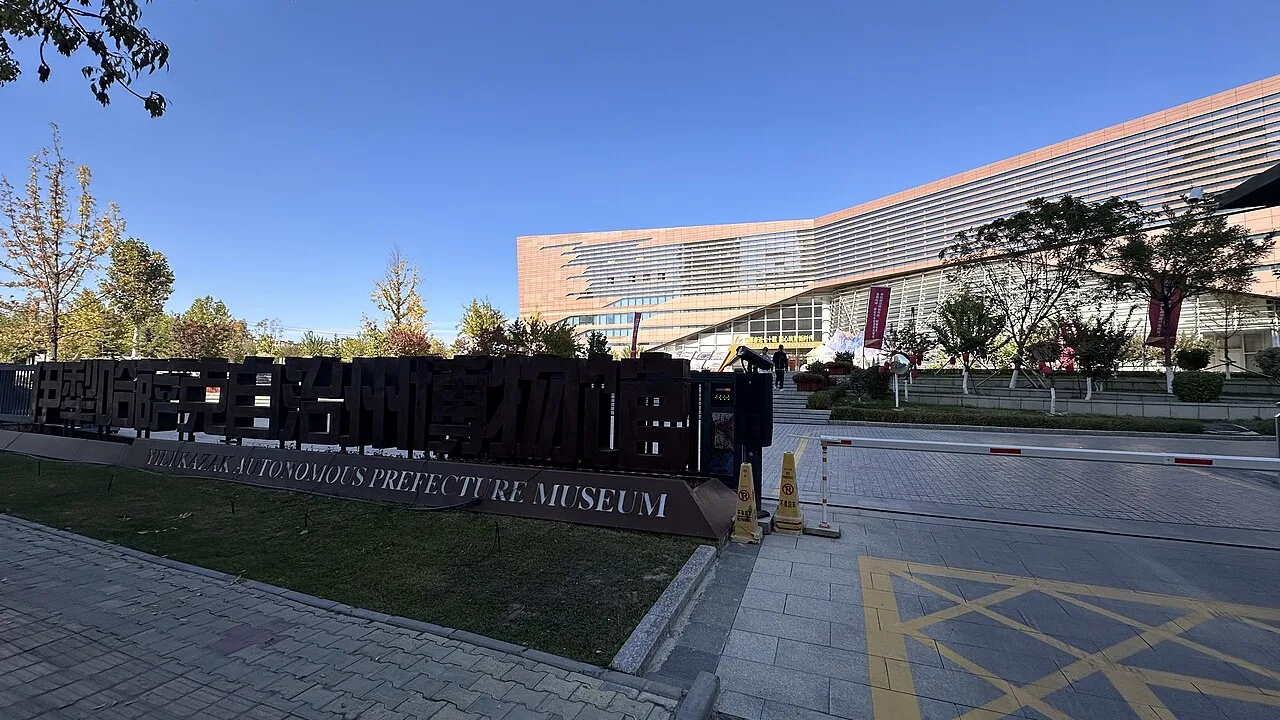
| 09:00 | Yili Kazakh Autonomous Prefecture Museum: Chapter One of the Thick Book |
| 15:00 | Six-Star Street: Settling into the Lanes |
| 20:30 | The Yili River Scenic Area: A First Valley Sunset |
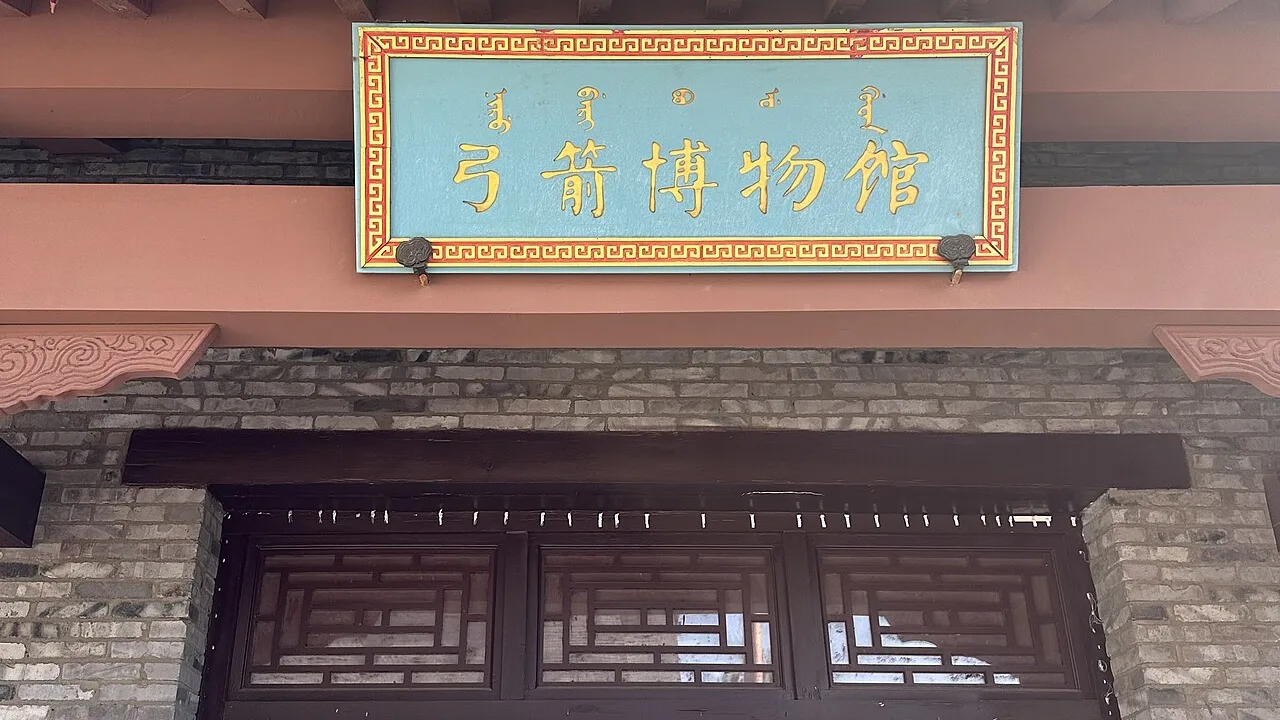
| 09:00 | The Bow and Arrow Museum: Opening Craft Day |
| 11:30 | The Arsilan Horse-Gear Heritage Workshop: Time Laid on a Saddle |
| 20:00 | The Tianshan Muqam Grand Theatre: The Day's Patterns, Sung at Night |
| 09:30 | The Huocheng Lavender Farms: First Stop of the Northern Leg |
| 12:00 | Guozigou Valley: A Midday Pause at the Gorge and Its Bridge |
| 15:00 | Sayram Lake: A First Night in the Lakeside Yurts |
| 07:00 | Sayram Lake: Sunrise on the Circuit as the Water Runs through Three Colors |
| 12:30 | Khorgas Port: A Border Half-Day on the Way Back |
| 09:30 | Nalati Grassland: The Eastern Leg's Sky Meadow |
| 10:00 | The Qiaxi Scroll Viewpoint: Day Six's Valley Buffer |
| 15:00 | Tekes Bagua City and Li Street: One Night in the County Town |
| 08:30 | Kalajun and the Koksu Grand Canyon: The Seventh Day's Final Chapter |
The route, stop by stop
Yili Kazakh Autonomous Prefecture Museum: Chapter One of the Thick Book
The deep route opens with chronology. Walk the eras in just over two hours, fixing on three things: the forms of the stone men and deer stones, the Wusun and Han marriage galleries, and the institutional exhibits on the Qing's Yili Generalship. All three recur across the five days of lakes and old towns ahead.
Schedule nothing hard in the afternoon; return to the hotel and sleep off the journey. Xinjiang runs two hours late, and not forcing day one buys insurance for the six that follow.
Six-Star Street: Settling into the Lanes
Spend the afternoon meeting Six-Star Street as your week's neighborhood: two random lanes first, then the accordion museum, then a courtyard cafe. Depth travel allows repetition, and you will return two or three times this week; today only build a sense of bearings.
Dinner inside the quarter, then stock sunscreen, repellent and common medicines. Seven days of consumables are cheapest downtown; everything climbs in price once the mountains start.
The Yili River Scenic Area: A First Valley Sunset
Watch the week's first sunset by the river. The Ili flows west, dusk drags a long band of light across the water, and the wind on the bridge scatters the day's heat. No knowledge points here; the stop only tunes your mood to the valley's frequency.
Return early. Tomorrow is a day of crafts and a show, and the northern line departs early the day after, so split luggage tonight into car bag and day bag.
The Bow and Arrow Museum: Opening Craft Day
Day two opens with bows. The composite sinew-horn-wood craft, the varied Qing arrowhead forms and the Xibe shooting tradition build a skeleton in an hour; if a craftsman demonstrates, stay half an hour more for the cutting and sinew-laying.
The trick with crafts is to fix on one pair of hands rather than sweep every case. Pick a working master and follow one step to the next; it sticks better than any guided script.
The Arsilan Horse-Gear Heritage Workshop: Time Laid on a Saddle
Before noon, the horse-gear workshop. Watch the master pick hides and cut patterns, and hear what a good saddle must survive: tooling that holds pattern, brass that takes fine line, stitching that outlasts a decade of a horse's back. The craftsman's unit of time is the year, felt nowhere more directly.
Small leather goods sell here, sounder than park stock. If commissioning tempts you, photograph, leave contact details and go; lead time runs in weeks, and the afternoon and evening have their own plans.
The Tianshan Muqam Grand Theatre: The Day's Patterns, Sung at Night
The night show crowns craft day. The muqam ensemble's plucked strings and hand drums build layer on layer, and the dancers' atlas silk answers the workshop's tooled leather under the lights; what you saw by day, you understand by night.
Walk back to the hotel or pre-book the ride. The northern line leaves early, so audit the luggage tonight: sunscreen, heavy layer and medicines into the car bag.
The Huocheng Lavender Farms: First Stop of the Northern Leg
Day three turns north. The lavender farms sit best in mid-morning; in bloom the purple rolls down the slopes, so shoot early and front-lit, while off-season the distillery and exhibits explain how one herb becomes one bottle of oil.
Souvenirs bought here carry origin: essential oil, hydrosol, sachets, lavender honey. Have the shop reinforce-pack liquids on the spot for safe checked luggage.
Guozigou Valley: A Midday Pause at the Gorge and Its Bridge
Enter Guozigou after lunch. The gorge lifts the altitude, spruce closes into forest, and the bridge spans the ridgeline; forty minutes at the viewpoint covers bridge and gorge both. The mountain wind bites, so the jacket stays on for photos.
This stretch curves hard, and the driver's experience matters more than his speed. Not far past the gorge, Sayram's blue lunges into the windshield; hold your cheers, better angles wait ahead.
Sayram Lake: A First Night in the Lakeside Yurts
Reach Sayram in the afternoon and take the western circuit first: flower fields, grassland and snow peaks in file, fullest in June and July. By evening, check into the lakeside yurt for herder's boiled meat and milk tea, then stars by the shore with the Milky Way nearly within reach.
Lakeside nights drop to single digits; the yurt's stove and heavy quilts are standard. Morning holds a sunrise bonus, so set the alarm before sleeping.
Sayram Lake: Sunrise on the Circuit as the Water Runs through Three Colors
Morning is the northern leg's climax. Around sunrise the water shifts deep blue to silver-gray and back to sapphire, with luck wrapped in drifting mist that veils the surface. Finish the eastern circuit before the crowds and be back at the yurt for breakfast by eight.
This is where the deep route's slack pays: loop travelers are driving on, and your extra morning at the lake is the cheapest luxury in the seven-day plan.
Khorgas Port: A Border Half-Day on the Way Back
Returning from the lake, swing by Khorgas. Photograph the national gate and boundary markers, walk the cooperation center's cross-border quarter, and if duty-free shopping calls, manage allowance and hours; without it, half an hour reads the place fine.
Lunch near the port, then rest in Yining by evening. Day five drives east to Nalati, four hours on the road, so sleep early tonight.
Nalati Grassland: The Eastern Leg's Sky Meadow
Day five heads east, arriving at Nalati near midday. Take the sky-grassland line first: the shuttle climbs to the meadow belt, yurts dot the slopes, wildflowers peak in June and July. Ride half an hour to an hour at most, saving legs for the canyon boardwalks ahead.
Overnight in Nalati town on laghman and kebab. The town's night surprises with life, dancers on the square, a cup of yogurt in hand while you watch.
The Qiaxi Scroll Viewpoint: Day Six's Valley Buffer
Day six morning runs west from Nalati into Qiaxi. Spruce bands the grassland into colors, the river bends through the woods, and the viewpoint spreads like an unrolled scroll. Crowds thin to almost nothing, halving the density of the days before.
Half an hour on the forest trail suffices. Reach Tekes by afternoon, climb the tower for the bagua panorama, and spend the night on Li Street's stalls; tomorrow's Kalajun is the route's finale.
Tekes Bagua City and Li Street: One Night in the County Town
The bagua town lays its streets by trigram, eight avenues radiating, ring roads nesting rings, and only from the tower does the town's shape resolve. Street life runs slower than Yining: teahouses, chess stalls and tandoors composing the county afternoon.
Li Street gives the night its artsy face: craft shops, string lights and night stalls. Eat a round of yogurt and kebab, then top up water and trail food for the mountains.
Kalajun and the Koksu Grand Canyon: The Seventh Day's Final Chapter
The last day belongs to Kalajun whole. East Kalajun's hill country and the Flower Terrace fill the morning, grass slopes like frozen waves and a five-flowered carpet running to the horizon in June; the afternoon turns to the Koksu Canyon, where the human-body grassland's curves and Crocodile Bay's black-green pool stand most sculptural in slanted light.
Exit by evening for the three-hour return to Yining, and the thick book closes here: lake, grassland, canyon, old town, crafts and song each holding its chapter, Yili no longer a place name but a grammar of landscape worth rereading.
| Getting around |
|
| Budget | Tickets and shuttles total about RMB 600-800 pp; a seven-day car runs RMB 3,500-4,500, with six nights at RMB 900-2,000 per head. |
| Best time | Mid-June to early July runs every element at once: lavender, lakeshore blooms and meadow flowers in one pass; September is second best, thinner crowds with early autumn. |
FAQs
Is seven days too long, and can it shrink to five?
It shrinks fine: cut Khorgas and Qiaxi, fold craft day into day one, and you have the standard five-day loop. Extending with more stops is the wrong direction; seven days earns its value through slack, and stuffing it back defeats the point.
What is the rough budget for the seven days?
Per two sharing: charter about RMB 3,500-4,500, tickets and shuttles RMB 600-800 per head, six nights RMB 900-2,000 per head, meals RMB 80-150 per head daily. Roughly RMB 7,000-9,500 per person before shopping.
What part of the trip do travelers most underestimate?
Two: driving, since the four hours between lake and grassland swallow a whole morning and itineraries must be built on wheels, not stops; and temperature swing, twenty degrees between a lakeside night and a steppe afternoon, so pack for two seasons.
How do I choose between this and the Kanas direction in northern Xinjiang?
By season and taste: pick Yili in June-July, whose flower seas and steppe are cards Kanas does not hold; September flatters both, Yili warmer in autumn, Kanas starker. With one trip's worth of leave, Yili first and Kanas later is the common order.