
Mohe's shopping map is short but every item carries coordinates: the downtown market handles the forest and wetlands' yield, Beiji Village's Russian shops handle the far bank's sweets and dolls, and the northernmost post office handles the only postmark that matters. The line follows the supply chain: learn mountain-goods floor prices downtown, top up Russian imports and cultural goods in the village, then stamp the whole haul with one postmark.
Three disciplines of cold-pole shopping: taste mountain goods before buying, check Chinese labels on Russian imports, and ship everything big. Mohe's courier network is complete, and postage on blueberries and wood-ear beats baggage allowances by far, so spare your shoulders.
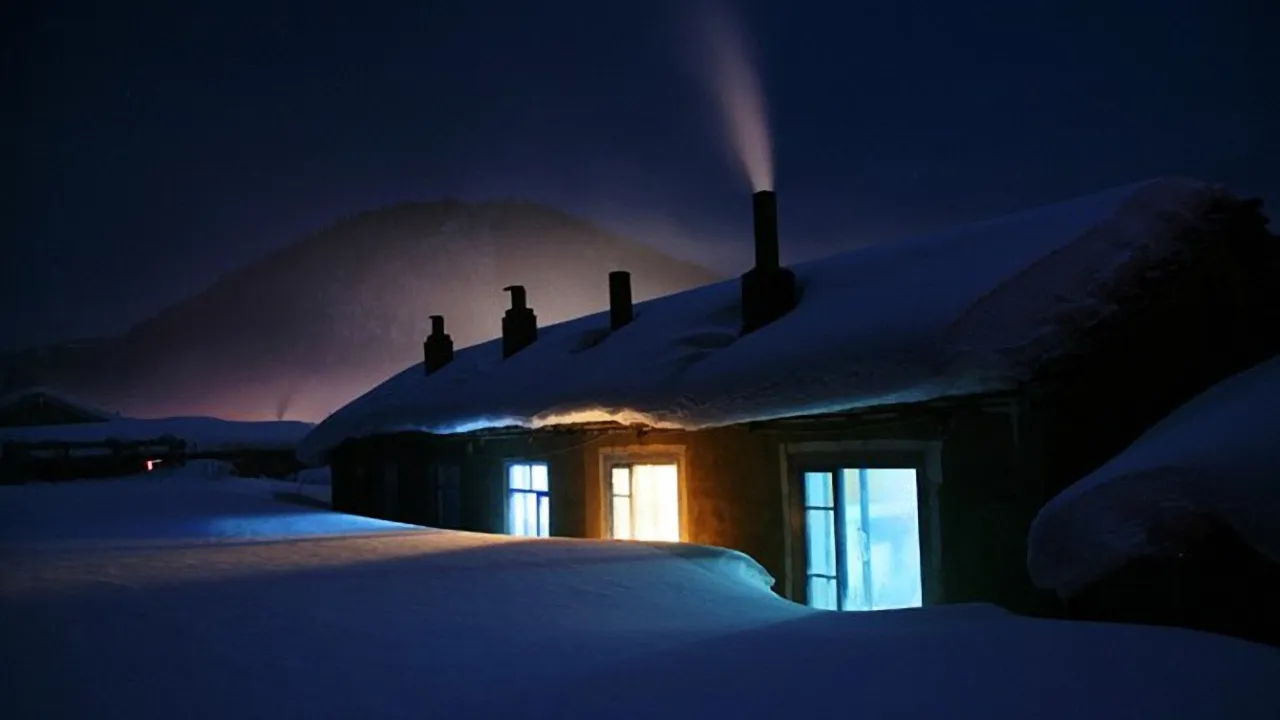
Itinerary at a glance
| 09:00 | The Mohe Mountain-Goods Market: The Forest's First Yield |
| 11:30 | Beiji Village's Russian Import Shops: The Far Bank's Sweets and Dolls |
| 14:00 | Beiji Village's Cultural Shops: Boxing Up the Far North |
| 16:00 | China's Northernmost Post Office: Stamping the Haul with a Signature |
The route, stop by stop
The Mohe Mountain-Goods Market: The Forest's First Yield
The mountain-goods market is Mohe's price anchor: wild blueberries, wood-ear, mushrooms, honey and pine nuts across the stalls, running two to four tenths below scenic-counter prices. Blueberries come sugared or unsugared, the unsugared honestly tart; judge wood-ear by cap and underside, mushrooms by scent, pine nuts by open-shell rate.
Vendors are mostly forest-farm workers and growers, with some but not much haggling room; walk the whole floor for floor prices before buying. Frozen pears and persimmons sell by the box, best eaten the same day in winter, never checked onto a southern flight. Vacuum packing and weighing happen at the stall, settling packing fees while haggling; buy in bulk and ship same-day from the courier points around the market.
Beiji Village's Russian Import Shops: The Far Bank's Sweets and Dolls
Beiji Village's Russian shops cannot match Manzhouli's scale but win on location: big lieba loaves, Russian sweets, chocolate, nesting dolls and binoculars in a row. Sweets and chocolate are the safe zone, confirming Chinese labels and import marks; judge dolls by lacquer and the authenticity of hand-painted signatures.
Village prices run a bit above downtown, rewarded by finer packaging and sheer convenience, ideal for gift-sized top-ups. For bulk raids, wait for a Manzhouli trip; for keepsakes, this quantity is just right.
Beiji Village's Cultural Shops: Boxing Up the Far North
The cultural shops are Beiji's pleasant surprise: polar-themed magnets, thermometers, reindeer-shaped trinkets and coordinate-printed canvas totes, designed and made more seriously than expected. Find-north mugs and badges are the safe gifts, mostly RMB 20-80.
The village also sells reindeer hide and antler handicrafts; confirm they are lawful artisan goods and steer entirely clear of any gray-zone wildlife products. The shops cluster around the main street and post office, an hour covers all.
China's Northernmost Post Office: Stamping the Haul with a Signature
The shopping day's last stop is the post office: mail postcards to yourself and friends, collect the northernmost postmark, then inventory the afternoon's haul right here. Packing and parcel services sit alongside, so mountain goods and cultural finds can merge into one shipped box.
Courier from Mohe reaches most cities in two to four days, with counter-side shock packing for breakables. The light thud of the postmark landing on cardstock is the best register sound a shopping day can make.
| Getting around |
|
| Budget | Mountain goods RMB 50-300, Russian imports and cultural goods RMB 50-200, postcards RMB 10-20 each; RMB 150-400 covers most souvenir lists. |
| Best time | Year-round; winter stocks frozen goods fullest, autumn's new harvest prices kindest; Beiji Village crowds on weekends, so buy in the morning. |
FAQs
Which is the better deal, Mohe mountain goods or Manzhouli Russian imports?
Each rules its own lane: local mountain products like dried blueberries, wood-ear, mushrooms and honey find their best prices and sourcing at the downtown Mohe market, while Russian imports, sweets, dolls, chocolate, clearly win on wholesale price and variety in Manzhouli. If Mohe is your only stop, the village's Russian goods cover gifts fine; if Manzhouli lies on your route, leave the whole import list to be boxed there.
How do I tell local Mohe goods from bought-in stock?
Three checks. Price: local wild blueberries clearly cost more than planted or bought-in stock, so suspiciously cheap lots are suspect. Form: wild dried blueberries run small and unevenly colored, while overly bright, uniform lots are often dyed imports. Origin: vendors will usually explain sourcing, and forest-farm direct sellers say so unprompted. When unsure, buy small, taste, then decide whether to add.
Can postcards go to international addresses?
Yes, the northernmost post office handles international letters and postcards at standard international rates, usually RMB 5-10 per card, with queues at the counter in season. Delivery runs two to four weeks, so a real street address plus country name in English or the local language works best. For a keepsake, address the card to yourself and enjoy the double ceremony when it arrives after you are home.
How do I control the budget, and what is not worth buying?
Set the envelope before browsing: RMB 150-250 mountain goods, 100-200 Russian and cultural goods, about 50 in postcards and postage, so RMB 300-500 already cuts a fine figure. The three least worth buying: wildlife products of unclear origin, refuse absolutely; over-packaged polar-specialty gift boxes that hold ordinary candy inside; unlabeled loose imported food. Spend on things you can eat, use and mail.