
Taiyuan's cultural wealth hides in two kinds of places: museum halls holding three thousand years of Jin, and Ming-era structures scattered through the old city. This route walks half of each: the master chronology at the Shanxi Museum in the morning, real Ming halls and twin pagodas in the afternoon.
The day's keyword is booking. The Shanxi and Coal museums require advance reservations or tickets through official channels, and most close Mondays; the pagodas and temples stay open toward dusk, saving the sunset for the tallest skyline in town. Order the day by booking difficulty and nothing jams.
Itinerary at a glance
| 09:00 | Shanxi Museum: The Master Chronology from Taosi to the Northern Dynasties |
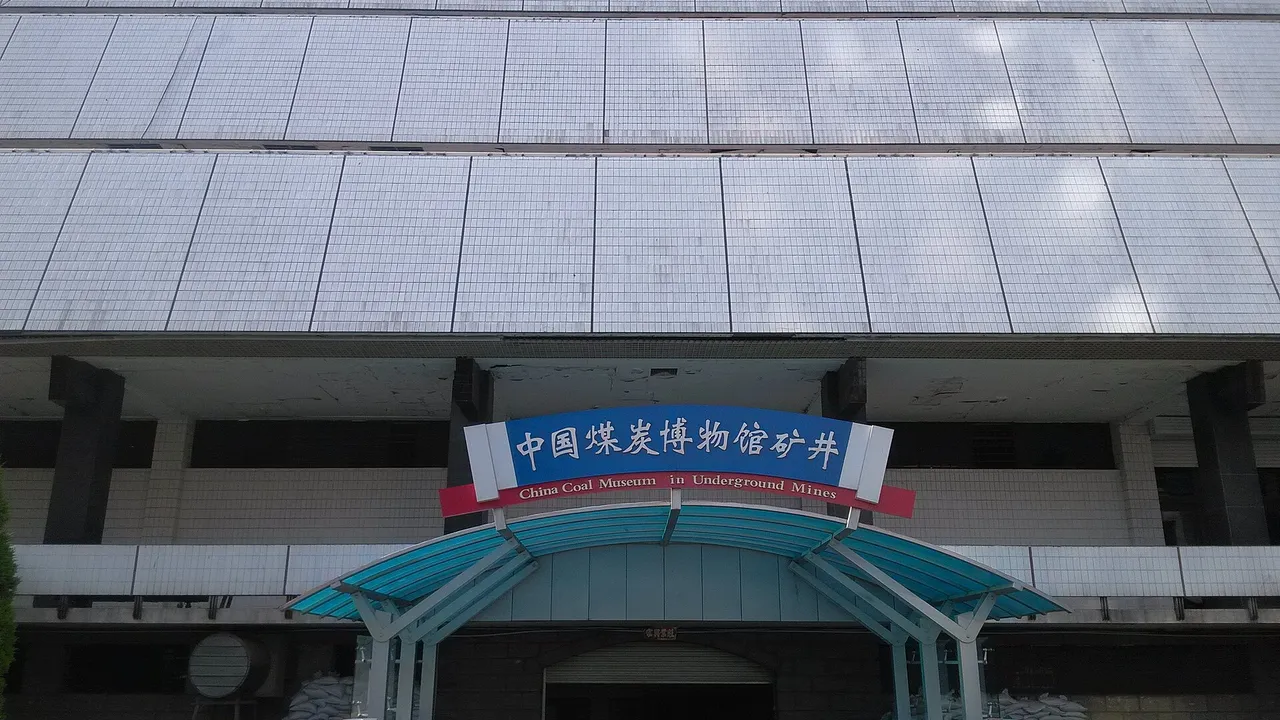
| 13:30 | China Coal Museum: An Hour Down the Simulated Shaft |
| 15:30 | Chongshan Temple and the Confucian Temple: Ming Incense and Ritual |
| 17:30 | Yongzuo Temple Twin Pagodas: Sunset from the Skyline Pair |
The route, stop by stop
Shanxi Museum: The Master Chronology from Taosi to the Northern Dynasties
Enter at opening and work the Ancient Civilization galleries downward by era. The bird zun, the dragon gong and the Houma covenant tablets form the compulsory trio; the cinnabar characters on the tablets record political pledges between Jin lords two millennia ago, strokes still legible behind glass.
Do not miss the white-marble sarcophagus of Yu Hong from the Sui: its reliefs of Persian banquets and Sogdian dancers prove that Taiyuan under the Northern Dynasties stood at the eastern reach of the Silk Road. After this floor, even the noodles and vinegar taste different.
China Coal Museum: An Hour Down the Simulated Shaft
Shanxi is China's sea of coal, and this national industry museum sits right in Taiyuan. The surface galleries cover coal's formation and mining history, but the main event is underground: helmet on, ride the mine car into a full-scale simulated shaft where the working face and miner lamps wait in the dark.
The 4D cinema and ancient coal-carving displays after the descent are usually skipped, though half an hour covers them nicely before re-entering the city. Families with children routinely stay past two hours.
Chongshan Temple and the Confucian Temple: Ming Incense and Ritual
The Dabei Hall at Chongshan Temple is original early-Ming construction; the three colossal figures inside stand over eight meters, the thousand-armed, thousand-eyed Guanyin fanning her arms like a peacock's tail, and the incense here still burns daily as elders circle the hall chanting.
Across one lane, the Confucian Temple now houses the Shanxi Institute of Archaeology's museum, its Lingxing Gate and Dacheng Hall in a line, koi in the pan pond and old cypresses keeping the courtyards hushed. Three minutes apart on foot, one hour covers both.
Yongzuo Temple Twin Pagodas: Sunset from the Skyline Pair
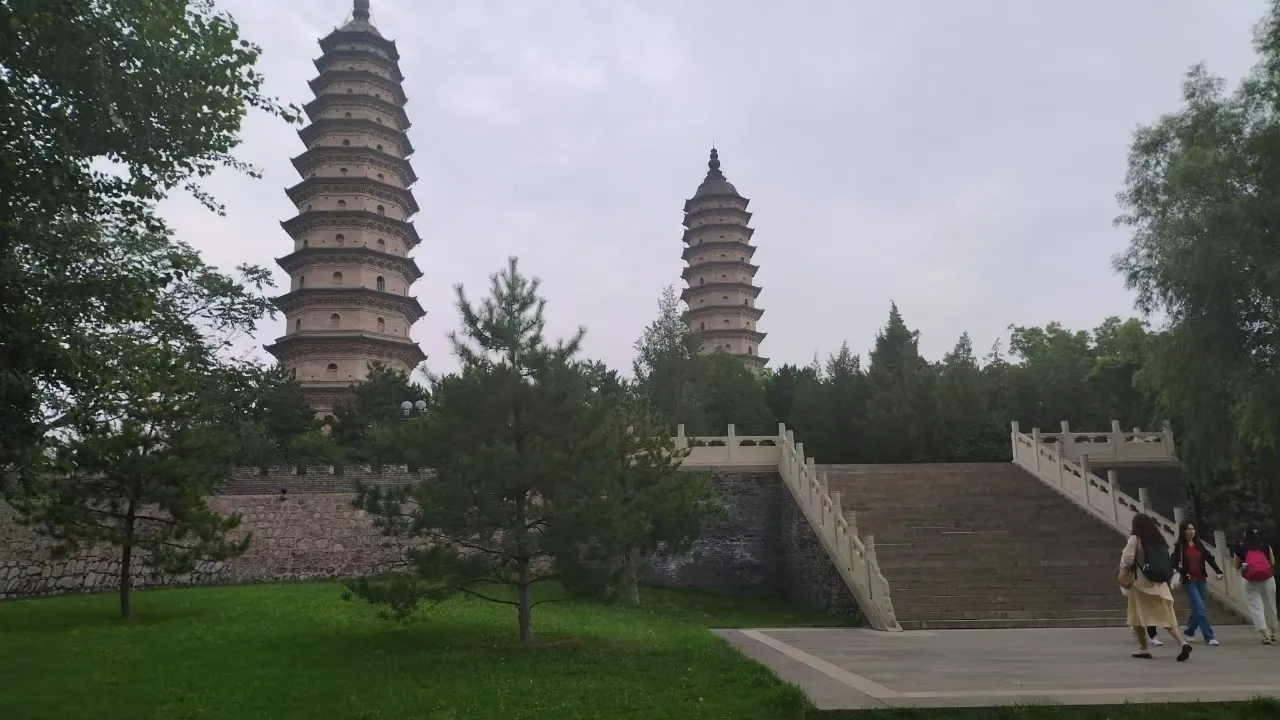
Yongzuo Temple, better known as the Twin Pagoda Temple, raises two Ming brick pagodas over fifty meters tall on the city's southeast edge, Taiyuan's totem on postcards and the city emblem alike. Every bracket and eave rafter is imitated in brick, the summit of Ming brickwork craft.
At dusk the pair turns honey-colored against the falling light as the city spreads below. The famous Zixiaxian peony blooms in late April and early May; in spring, flowers and pagodas in one frame is the classic Taiyuan image.
| Getting around |
|
| Budget | Built mostly on free booked venues; budget RMB 100-200 per person including the Coal Museum ticket and transport. |
| Best time | Works year-round in climate-controlled halls; the Shanxi Museum and several venues close Mondays, so plan around it. |
FAQs
What if free slots at the Shanxi Museum are gone?
Three routes: camp the daily release window for cancellations, switch to afternoon slots which open up more, or shift the museum to another day of your trip. Extra quota appears on holidays, so checking the account daily from three days out works best.
Is the mine-shaft experience at the Coal Museum worth it?
Yes. It is one of China's few walk-in simulated mines, with a real-feel car, tunnel and working face that convince adults and children alike. The only cost is the queue: peak descent lands around 2 pm, so come after 3 and you will barely wait.
Is four stops in one day too rushed?
No, the intensity tapers: the museum is the heaviest, give it two and a half hours with an alarm; the Coal Museum's core takes under an hour; the two temples together need one; and the pagodas are a climb-and-view, the natural cool-down.
Any notes on photography and dress?
No flash or tripods in museum galleries, and the Yu Hong sarcophagus room is dim, so preset your phone's night mode. Temples and the Confucian compound are ceremonial spaces, dress past shoulder and knee; the pagoda climb is windy, so pack a windbreaker in spring and autumn.